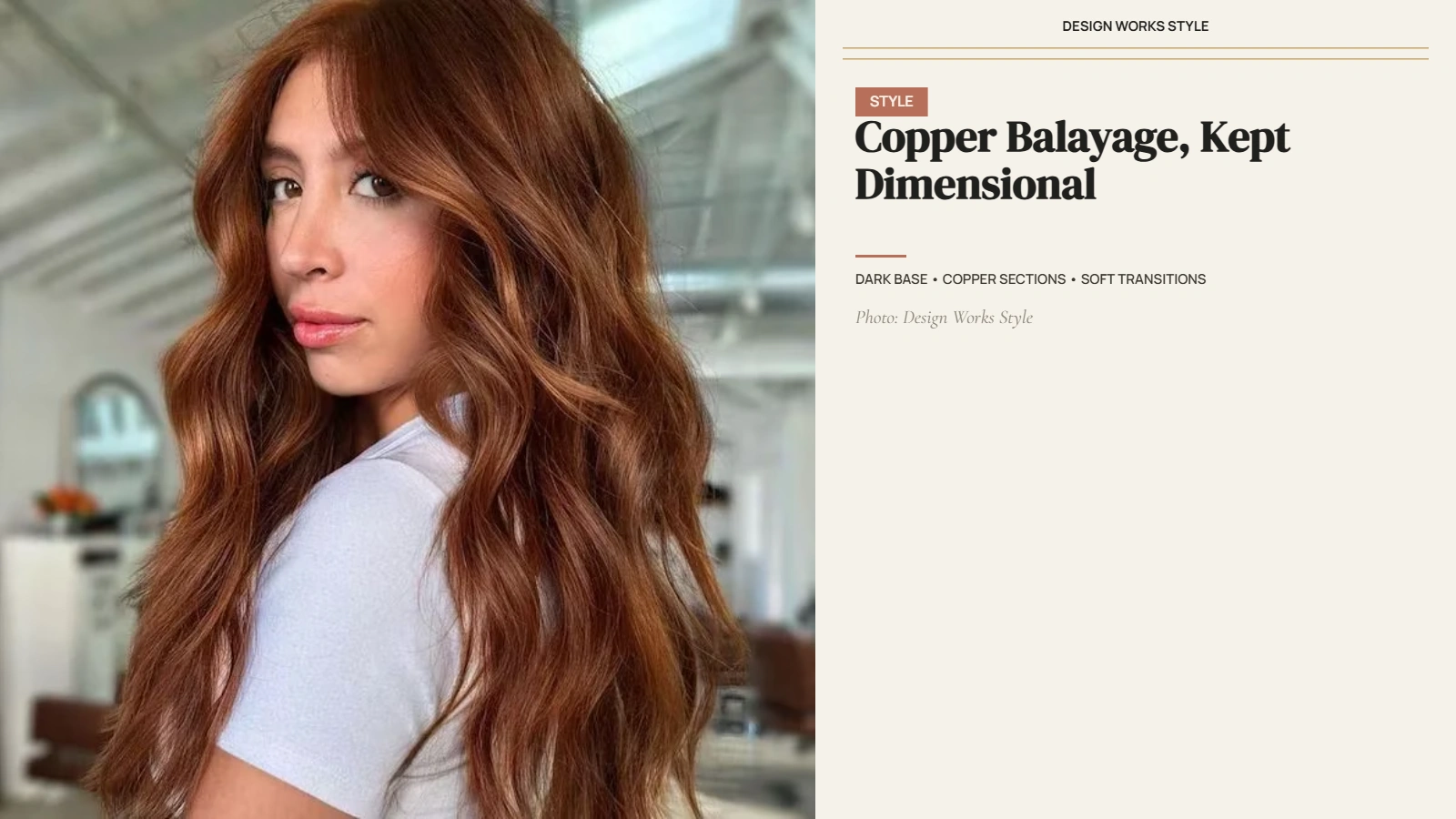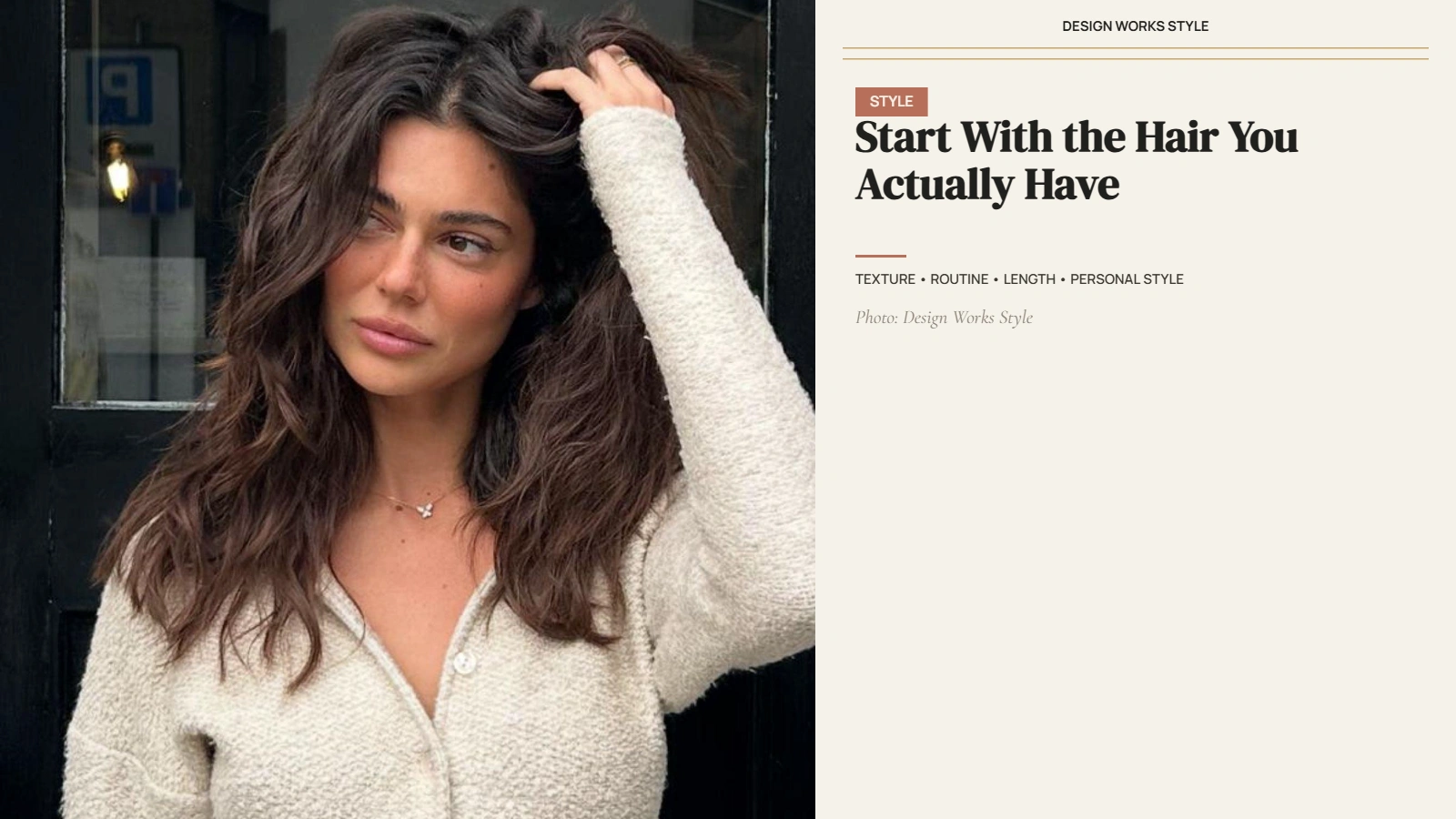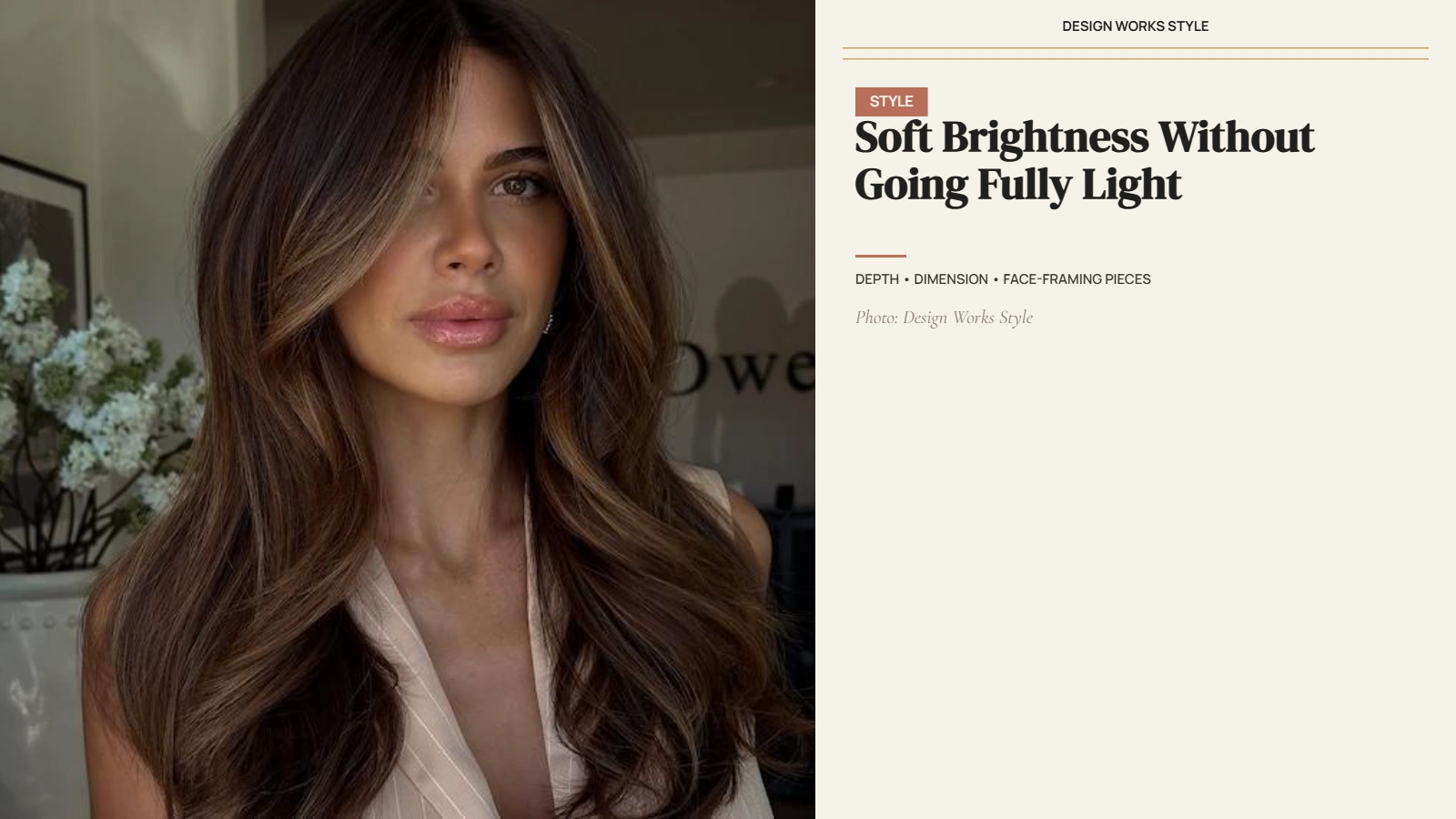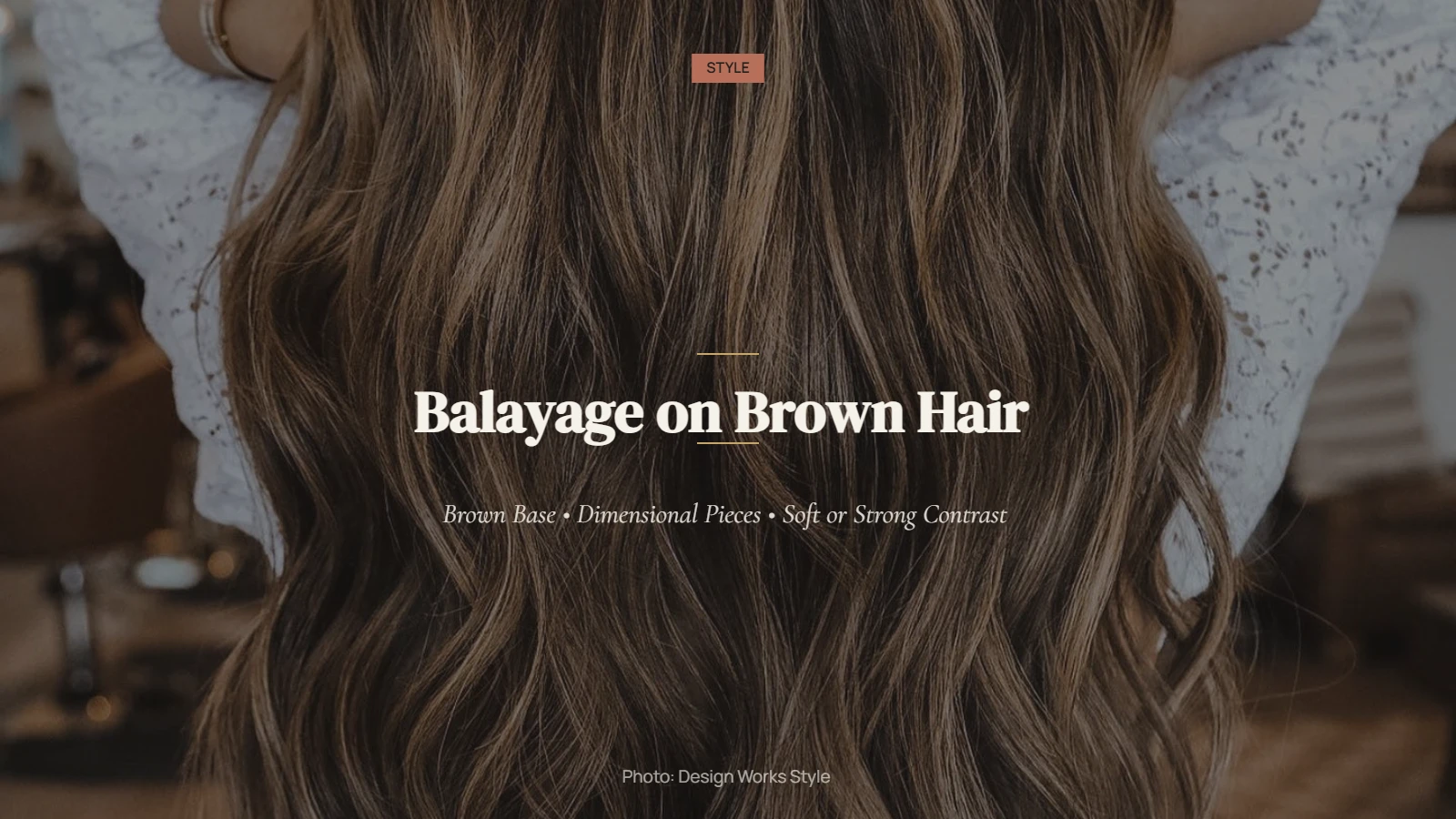

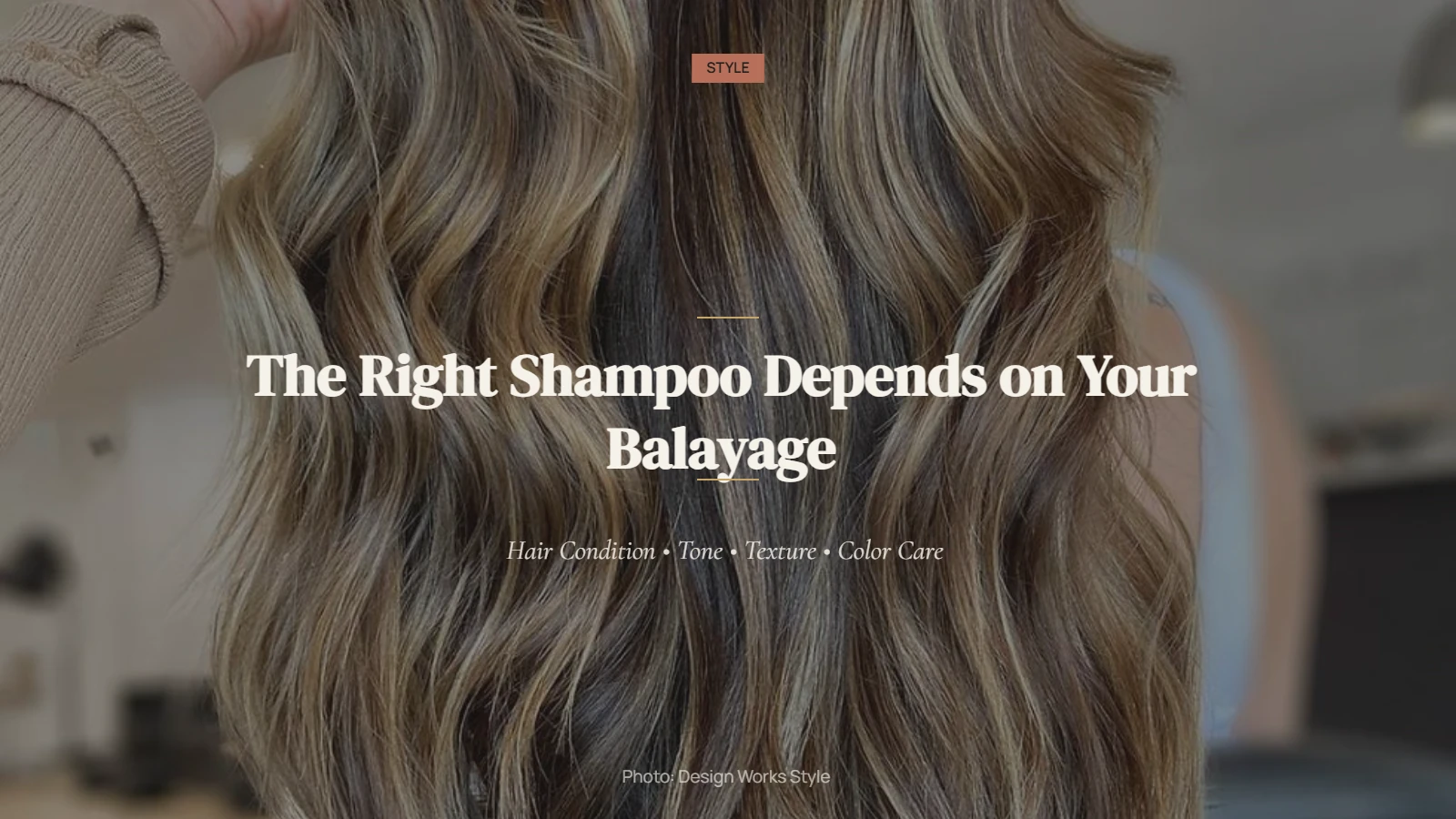
The best shampoo for balayage hair depends on what your hair actually needs. A fine balayage that gets flat easily calls for a different formula from thick, dry blonde balayage. Likewise, yellow-toned blonde hair may benefit from purple pigment, while orange or copper tones in brunette balayage may call for blue-violet pigment.
For most people, a gentle everyday shampoo designed for color-treated hair is a sensible starting point. Toning shampoos are more specialized and should be used when your color actually needs tonal adjustment.
The right choice depends on your hair condition, natural base, how light the balayage is, your scalp needs, and whether you are trying to preserve your current tone or change it.
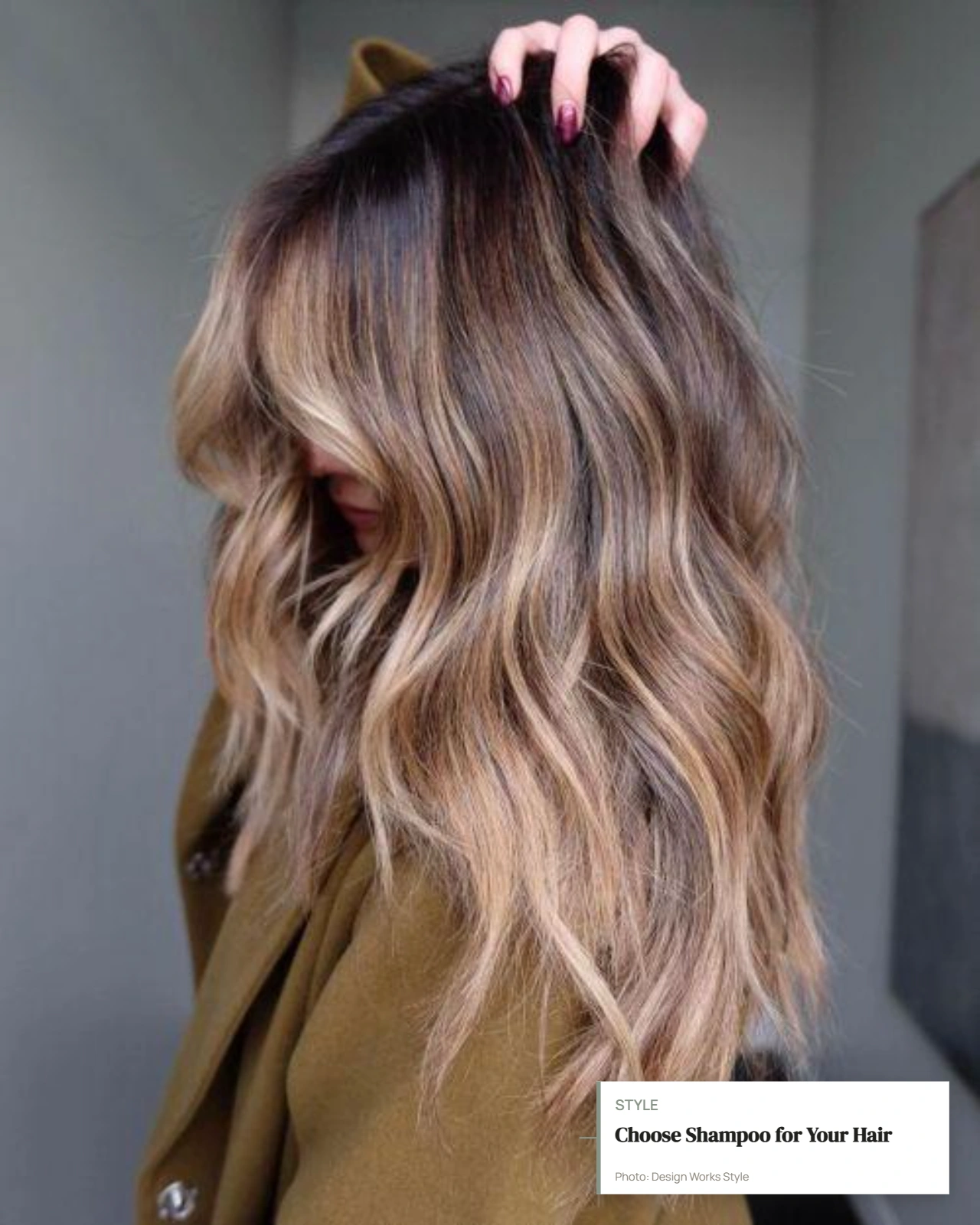
Start With the Problem, Not the Product
Before choosing a shampoo, identify what you are trying to manage.
| If your balayage is… | Look for… | Avoid assuming… |
|---|---|---|
| Dry or porous | Gentle cleansing with moisturizing support | That every rich formula will suit your hair |
| Fine or easily weighed down | A lightweight formula | That more moisture is automatically better |
| Oily at the roots | Effective scalp cleansing | That dry ends need stronger cleansing |
| Yellow blonde | Purple pigment when needed | That purple shampoo belongs in every wash |
| Orange or copper brunette | Blue or blue-violet pigment | That purple is the answer to every brassiness problem |
| Warm honey or caramel | Non-toning color-care shampoo | That warmth automatically means brassiness |
This distinction matters because balayage is not one uniform hair type. The natural hair near the roots can behave differently from lightened mid-lengths and ends.
A shampoo that works well for thick, dry hair may leave fine hair flat. A purple shampoo that helps neutralize yellow on pale blonde pieces may be inappropriate for warm caramel balayage that was intentionally designed to look golden.
The bottle should follow the problem, not the other way around.
What Makes a Shampoo Suitable for Balayage?
Color-care positioning
People with balayage often look for shampoos intended for color-treated hair because the goal is to maintain the appearance of the color between salon services.
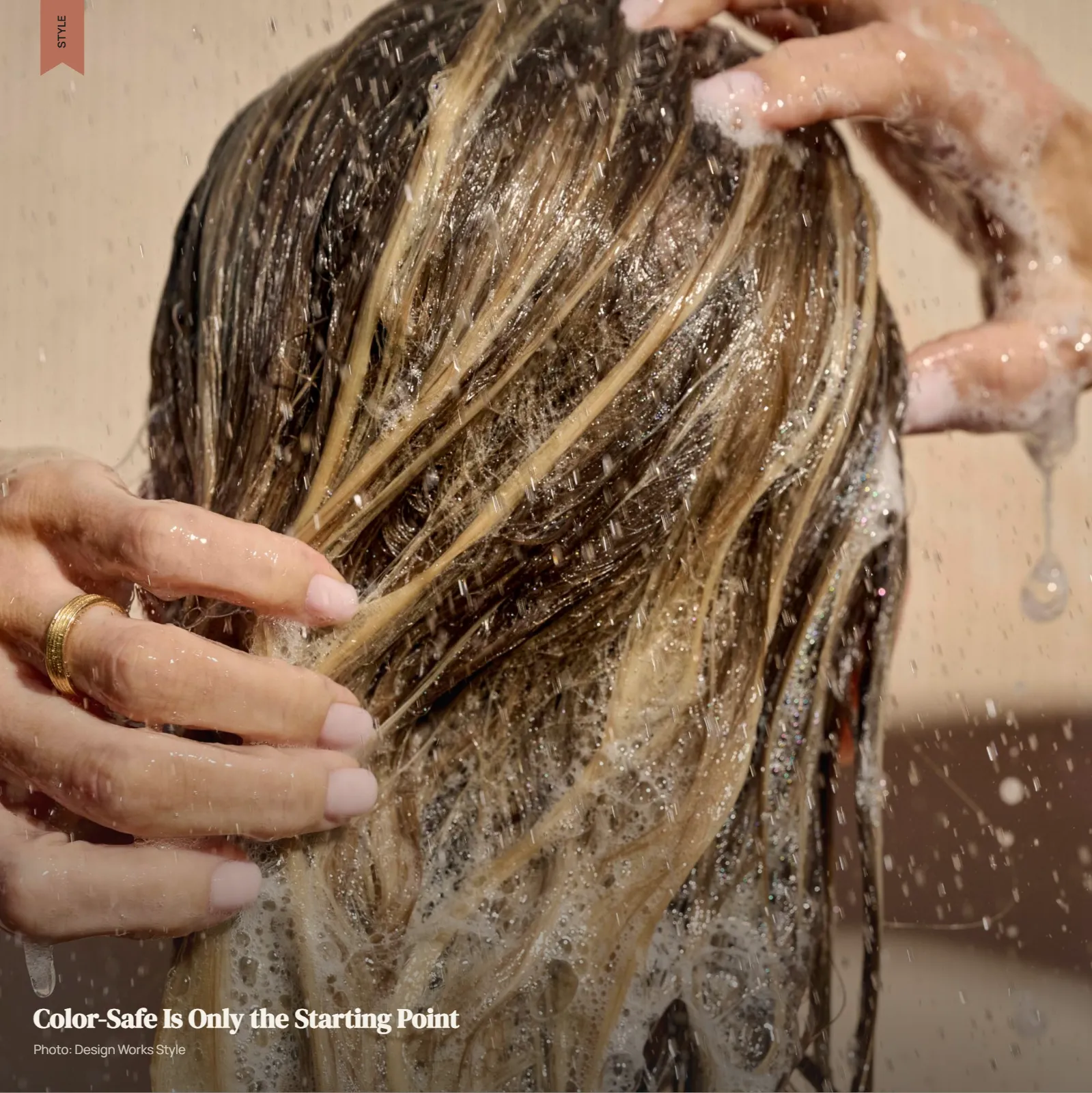
That does not mean a label such as “color-safe” guarantees better results. Look at the entire formula and consider whether it fits your hair and scalp.
Cleansing strength
A shampoo still needs to clean your scalp effectively.
If your roots become oily quickly, choosing a very rich shampoo solely because your ends are lightened may leave the scalp feeling coated. You can have dry lengths and an oily scalp at the same time.
Hair condition
Lightened sections may need more attention than the natural hair. If your balayage feels dry, rough or difficult to manage, moisture and gentle cleansing may matter more than toning.
Formula texture
A richer formula can make sense for medium-to-thick, dry hair. Fine hair may need something lighter so that it does not lose volume.
Toning pigment
Pigmented shampoos are a separate category. They are designed to influence unwanted warmth rather than simply provide everyday cleansing.
Sulfate-free claims
Sulfate-free can be a useful preference for some people, but it should not be treated as the only measure of a good shampoo.
There is no need to assume that every sulfate-containing shampoo is automatically unsuitable or that every sulfate-free shampoo is automatically better. Evaluate cleansing ability, hair condition, formula, and your own response to the product as a whole.
Best for Everyday Color Care: Redken Acidic Color Gloss
Best for: People who want a regular shampoo focused on color-treated hair and shine.
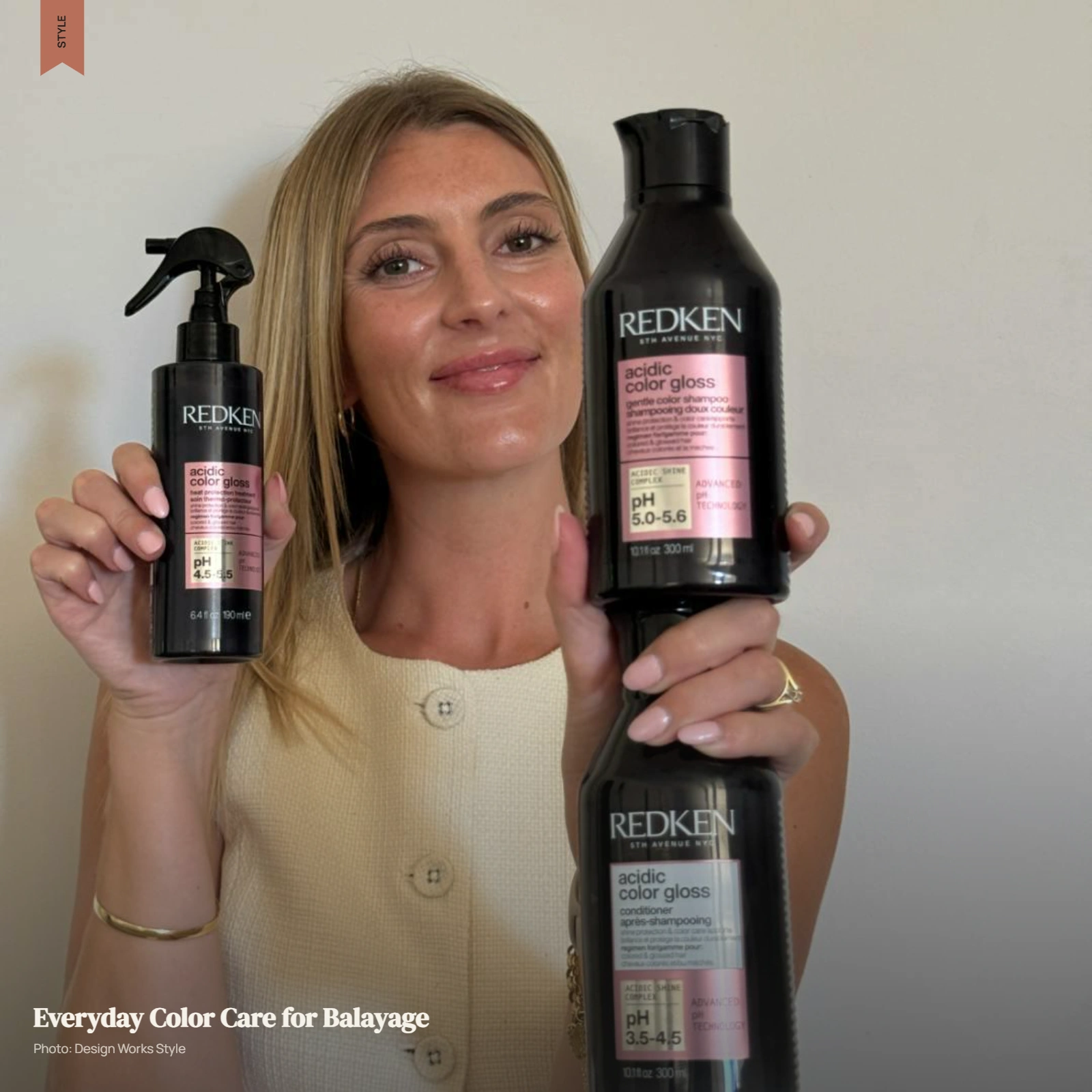
Why it fits: Redken positions Acidic Color Gloss Shampoo as a sulfate-free shampoo for professionally color-treated hair and says its acidic formula is designed around color vibrancy and shine. Redken currently states that its shampoo-and-conditioner system provides color vibrancy for up to 32 washes. That number is a manufacturer claim based on Redken’s stated testing, not an independent guarantee.
For balayage, this makes more sense as an everyday color-care shampoo than as a toning product. It is intended to support the appearance of colored hair without adding a corrective pigment.
Watch-out: It will not solve a specific yellow or orange tonal problem. If your main concern is brassiness, you need to consider whether a toning shampoo is more appropriate.
Use it if: Your balayage still has the tone you want and your main goal is routine cleansing and color care.
Best for Dry or Thicker Balayage: Pureology Hydrate
Best for: Medium-to-thick, dry or color-treated balayage hair.
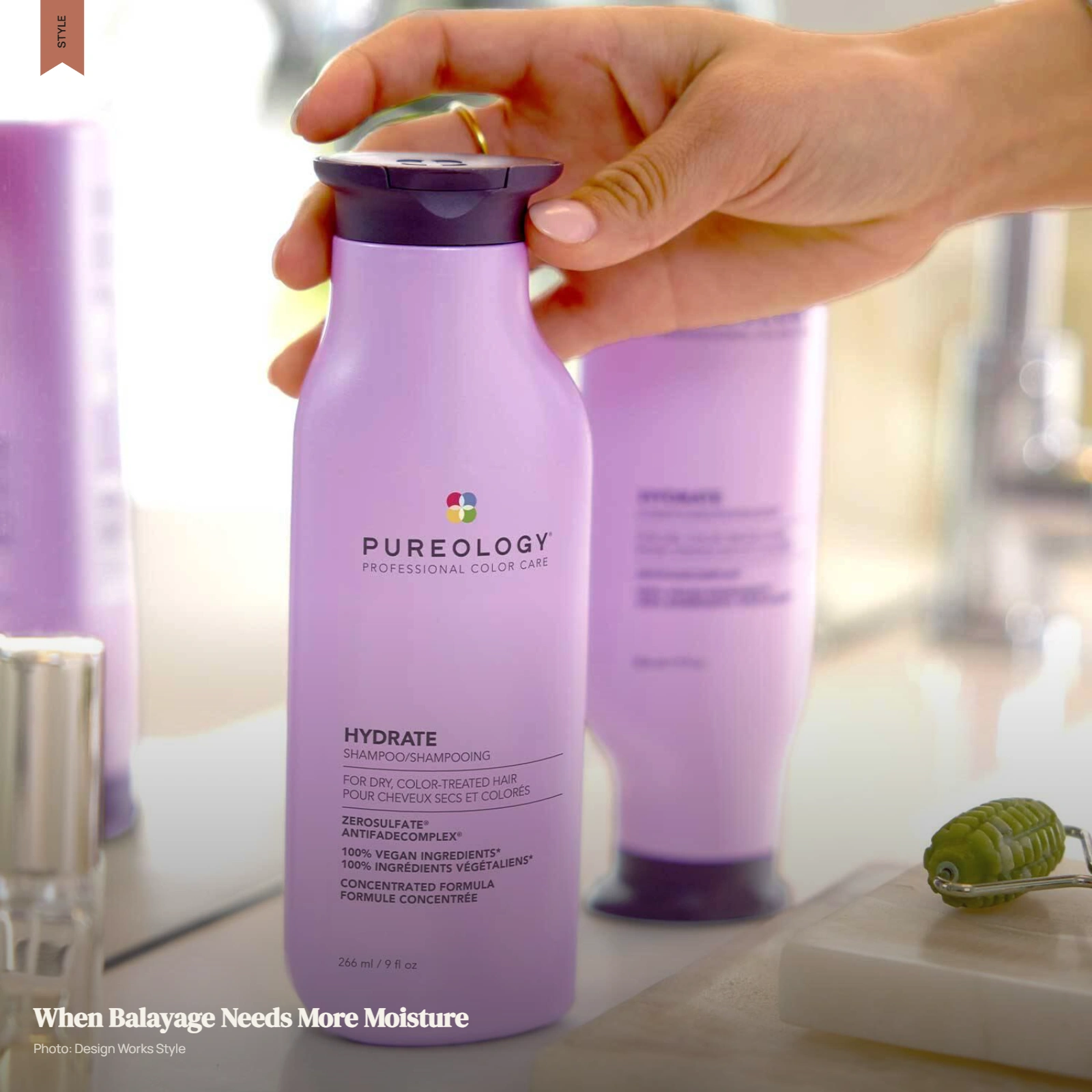
Why it fits: Pureology currently describes Hydrate Shampoo as a sulfate-free moisturizing shampoo for dry, damaged and color-treated hair, with the formula positioned around hydration and manageability. The brand specifically identifies it as best for medium-to-thick, dry, color-treated hair.
This is a better match when dryness is the main issue rather than unwanted tone. If the lighter sections feel rough or your hair needs more softness after washing, a moisturizing formula may make more sense than reaching immediately for a toning shampoo.
Watch-out: A richer moisturizing shampoo is not automatically the right choice for fine hair that becomes flat easily.
Use it if: Your balayage is dry, your hair is medium-to-thick, and moisture is a bigger concern than brassiness.
Best for Fragile or Heavily Processed Hair: Olaplex No.4 Bond Maintenance
Best for: Balayage hair that feels fragile or has undergone substantial chemical processing.
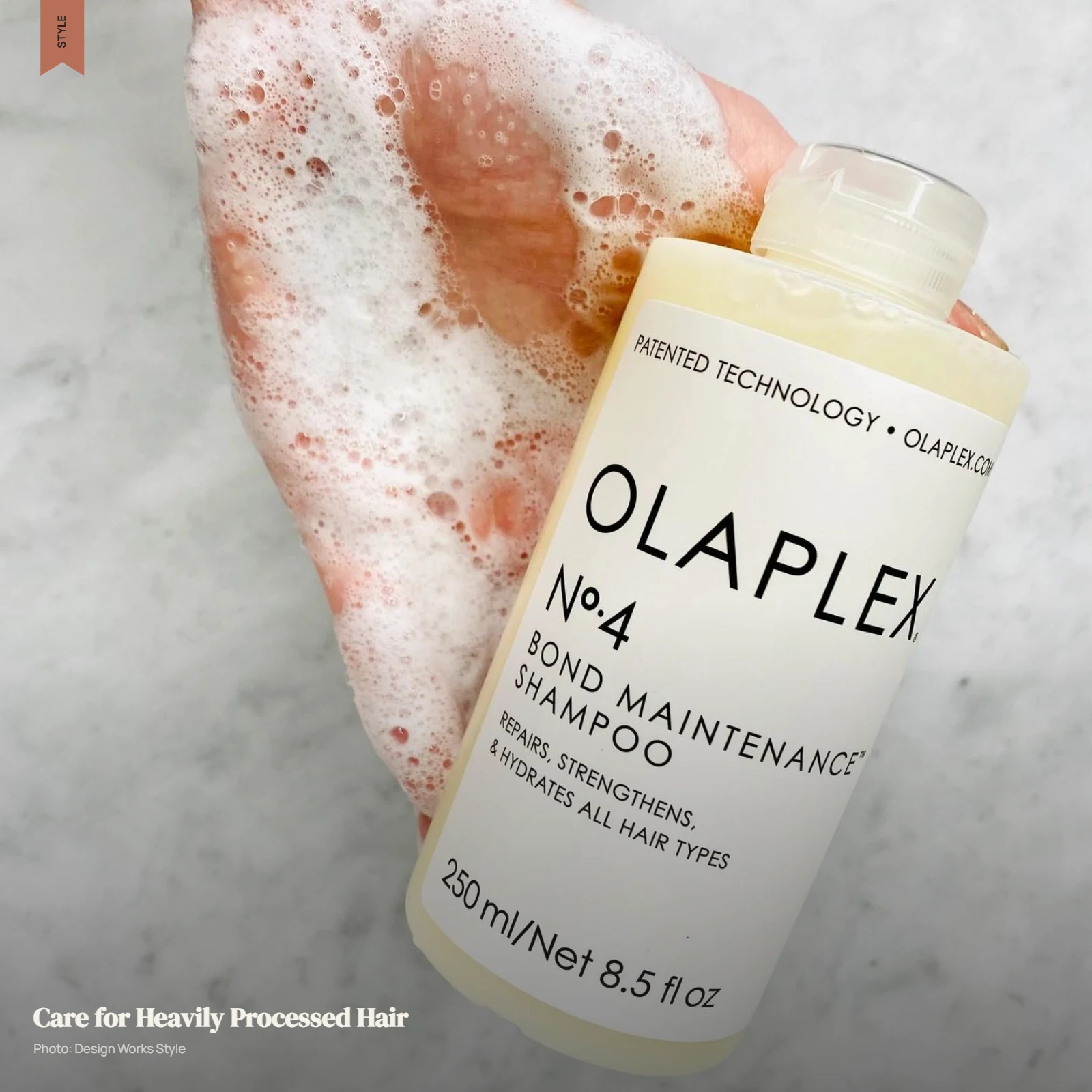
Why it fits: Olaplex positions No.4 Bond Maintenance Shampoo as a strengthening and maintenance shampoo. The brand describes it as suitable for different hair types and textures and markets it around its bond-building technology, softness, manageability and reducing breakage.
This makes it a reasonable option when the main concern is the condition of processed hair rather than a need for pigment correction.
Watch-out: Shampoo is only one part of a hair-care routine. It should not be presented as a complete solution for significant damage or as a replacement for appropriate conditioning and professional assessment.
Use it if: Your balayage has been heavily processed and the hair feels weaker or more difficult to manage.
Best for Fine Balayage Hair: Olaplex No.4FINE
Best for: Fine hair that needs cleansing and conditioning support without feeling weighed down.
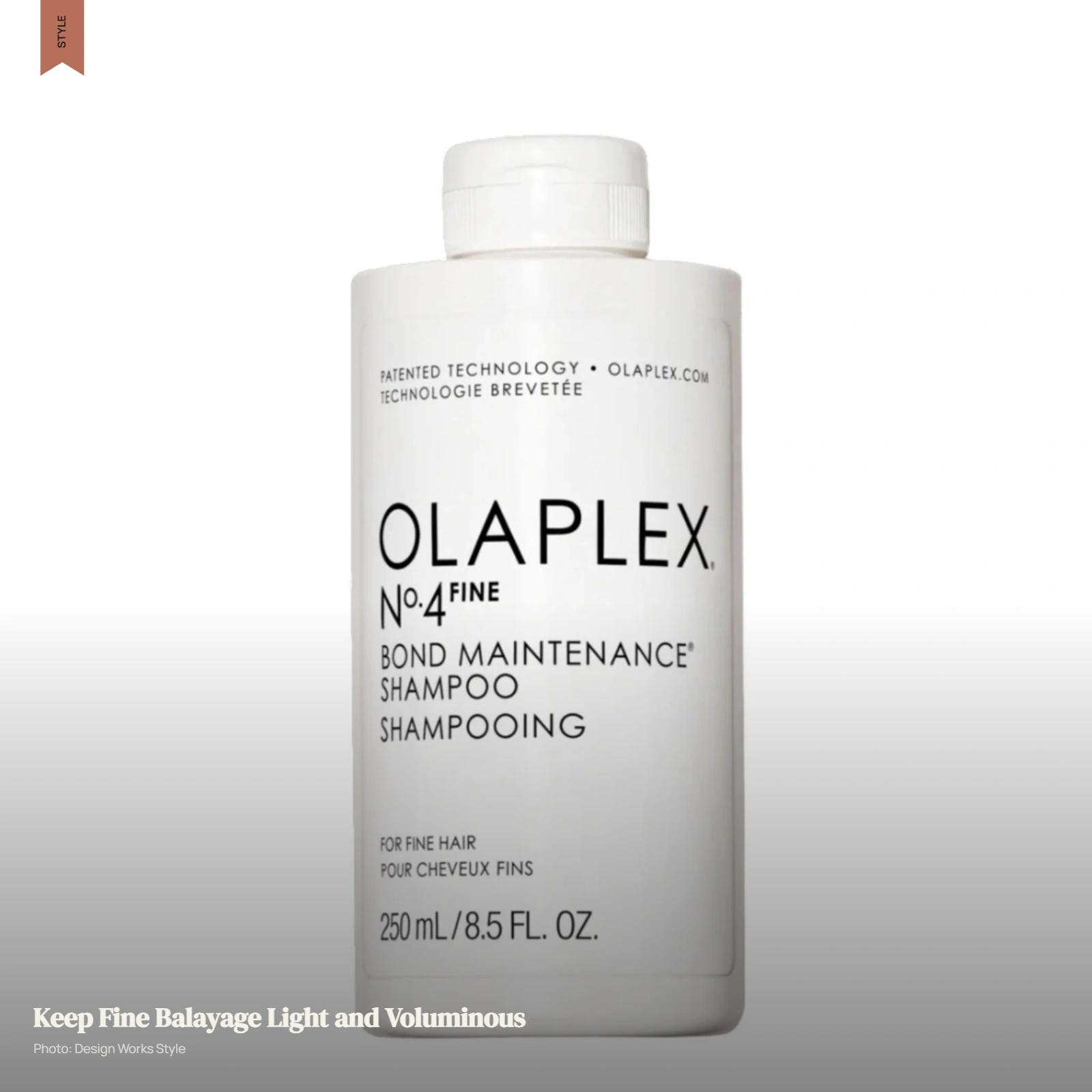
Why it fits: Olaplex specifically positions No.4FINE Bond Maintenance Volumizing Shampoo for fine hair. The current formula is described as lightweight, color-safe and suitable for chemically treated hair, with the brand also highlighting volume and hydration.
This distinction is useful because lightened hair is sometimes assumed to need the richest possible shampoo. Fine hair does not necessarily benefit from that approach.
If your roots lose volume easily, a lighter formula may be a better starting point than choosing a heavy moisturizing shampoo simply because the ends have been lightened.
Watch-out: If your fine hair is also very dry, you may need additional conditioning rather than simply switching to a richer shampoo.
Use it if: Your hair is fine, your roots become flat easily, and you want to balance color care with volume.
When You Actually Need a Purple Shampoo
Purple shampoo is not automatically part of every balayage routine.
Its main role is tonal. If blonde or highlighted sections have developed unwanted yellow warmth, purple pigment may help visually neutralize some of that warmth.
That is different from ordinary fading.
A color-care shampoo is intended for routine cleansing and maintenance. A purple shampoo is being used because you want to influence the tone.
Kérastase currently describes Bain Ultra-Violet as a purple shampoo for lightened, cool blonde or gray hair, with ultra-violet pigments intended to neutralize yellow and brassy undertones. The brand’s current instructions say to leave it on for at least two minutes, with longer processing depending on the desired degree of neutralization.
Color-care shampoo maintains the routine. Toning shampoo changes the tone.
That distinction can prevent unnecessary use of pigment-containing products.
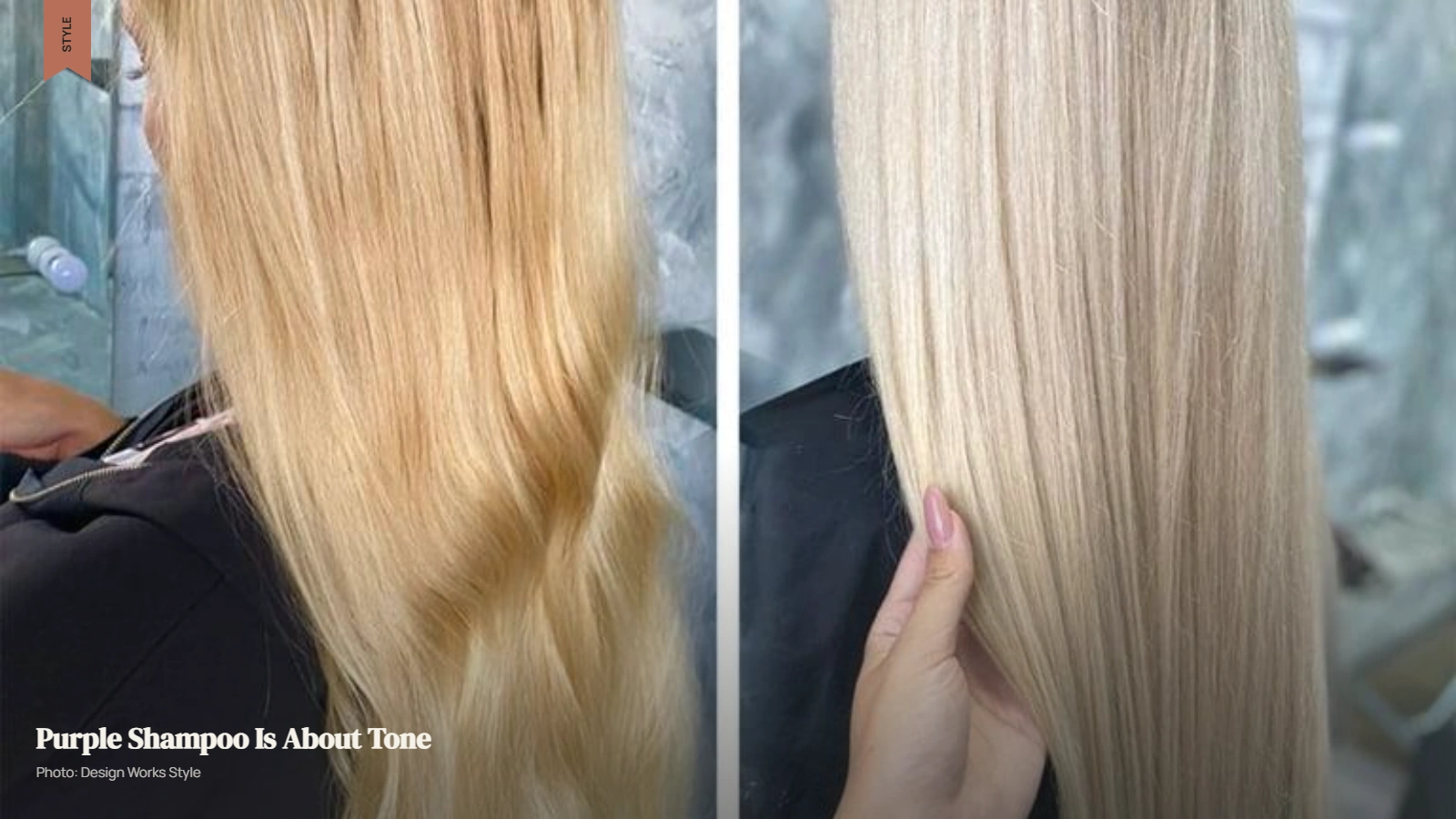
Purple vs. Blue Shampoo for Balayage
Not all unwanted warmth is the same.
Purple shampoo
Purple is generally more relevant when the unwanted warmth appears yellow, particularly in lighter blonde sections.
It can make sense for:
- Pale blonde balayage
- Beige blonde highlights
- Very light blonde pieces
- Blonde hair that has developed unwanted yellow warmth
Blue or blue-violet shampoo
Blue or blue-violet pigment is more relevant when the unwanted warmth appears orange or copper.
This can be particularly useful for:
- Brunette balayage
- Darker blonde balayage
- Caramel or brown bases with orange warmth
- Lightened brunette hair
Matrix currently describes Brass Off Shampoo as a blue-violet pigment shampoo designed to reduce brassy tones, specifically positioning it for brunettes who lighten their hair.
Warm does not automatically mean brassy
This is important with balayage.
Honey, caramel, toffee and golden tones can be intentional. If you like the warmth in your hair, there is no reason to neutralize it simply because a shampoo is marketed as an anti-brass product.
The question is whether the current tone is different from the result you want.
Best for Orange or Copper Brunette Balayage: Matrix Brass Off
Best for: Brunette balayage with unwanted orange or copper warmth.
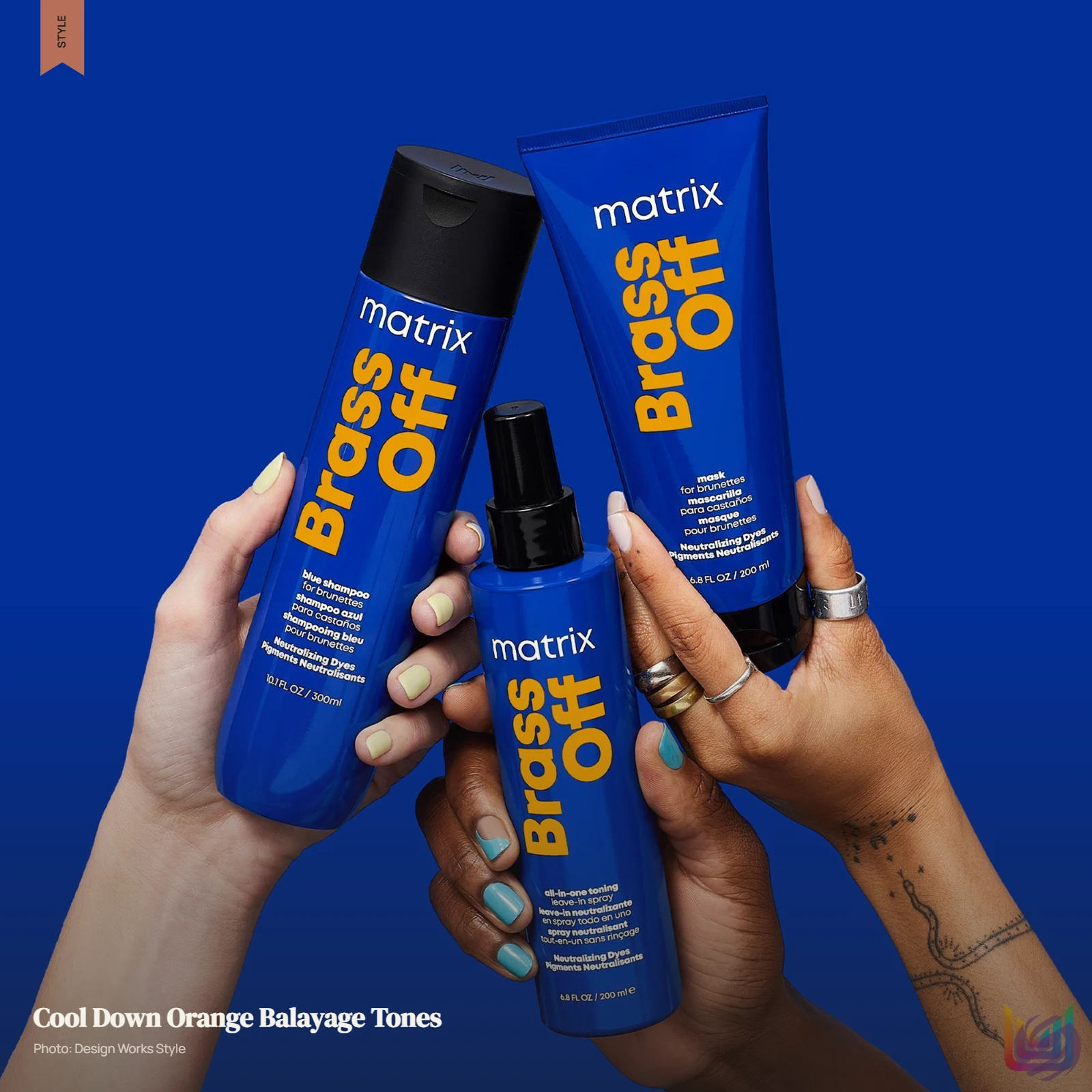
Why it fits: Matrix says Brass Off deposits blue-violet pigments to neutralize brassy tones and identifies the product as suitable for brunettes who lighten their hair. The current instructions also allow the shampoo to remain on the hair for an additional two to three minutes when more toning is desired.
That makes it a more targeted choice than reaching for a purple shampoo simply because the word “brassy” appears on the bottle.
Watch-out: Matrix’s current ingredient list includes sulfate surfactants, so this is better treated as a targeted toning product rather than automatically assuming it is the gentlest everyday shampoo for every balayage wearer.
Use it if: Your brunette or darker blonde balayage has developed unwanted orange or copper warmth.
Best Budget Purple Option: L’Oréal Paris EverPure Purple
Best for: Blonde or highlighted hair that needs occasional purple toning at a lower price point.
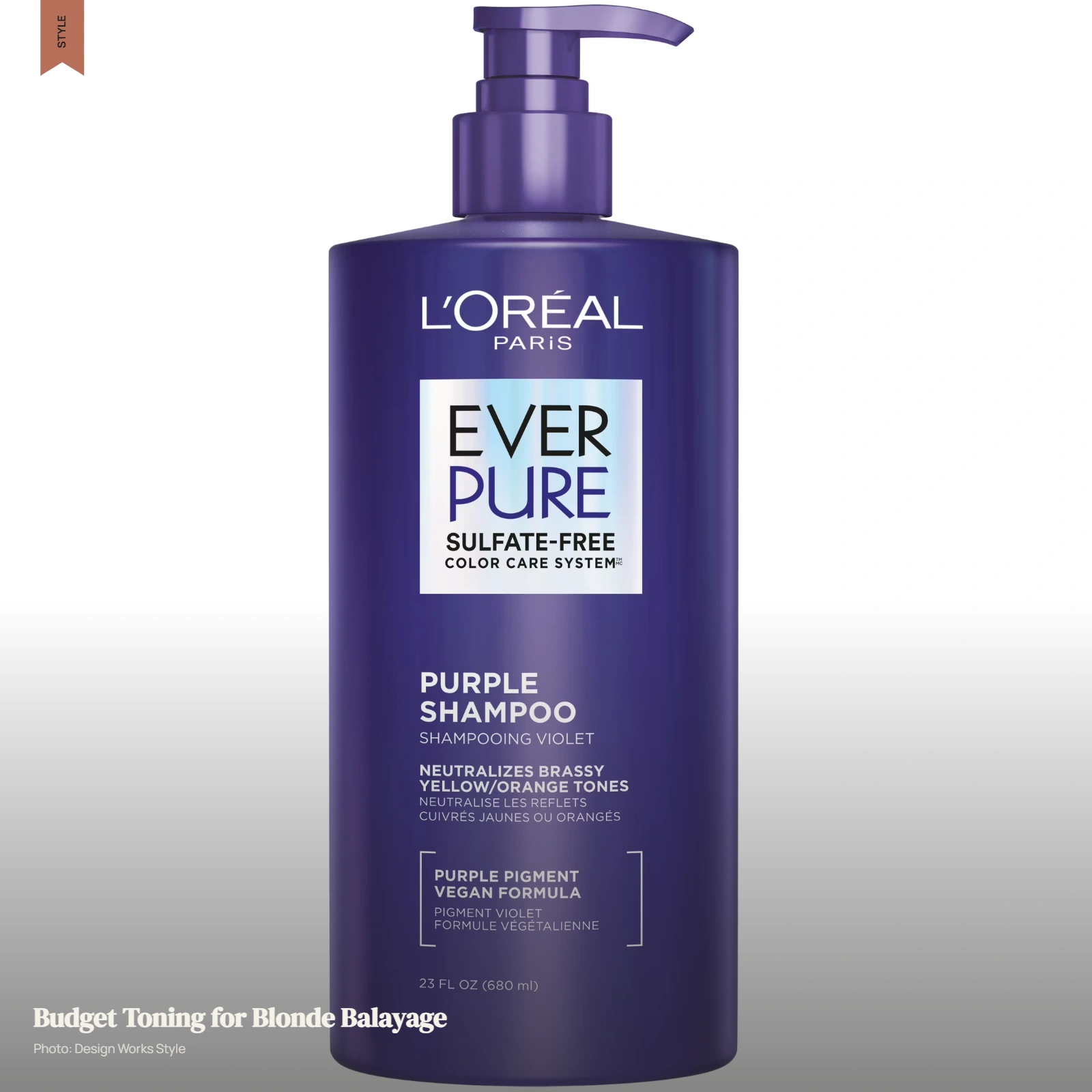
Why it fits: L’Oréal Paris currently lists EverPure Sulfate Free Purple Shampoo at $10.99 on its U.S. site and describes it as a purple toning shampoo for blonde, gray/silver, bleached and highlighted hair. The brand says the formula is designed to help correct unwanted yellow and orange tones.
This makes it useful when you specifically want a purple toning product without moving into a premium salon-brand price range.
Watch-out: Follow the product’s own directions rather than assuming that every purple shampoo should be used at the same frequency. Very pale or porous pieces can respond strongly to pigment.
Use it if: Your blonde balayage needs occasional toning and you want a more budget-conscious option.
How Often Should You Wash Balayage Hair?
There is no universal washing schedule for balayage.
Your ideal frequency depends on factors such as:
- Scalp oil production
- Exercise
- Climate
- Hair texture
- Styling habits
- Personal comfort
A person with an oily scalp may need to wash more frequently than someone with a dry scalp. Your balayage does not change that basic need.
When washing, concentrate shampoo primarily on the scalp. You do not need to aggressively scrub the lightened ends to clean them. Allow the lather and water to move through the lengths as you rinse.
If the ends are dry, focus your conditioning there rather than reducing scalp cleansing to an uncomfortable level simply to protect the color.
Toning shampoo should also be treated differently from everyday shampoo. Use it when the tone actually needs adjustment and follow the manufacturer’s instructions.
When Should You Use a Clarifying Shampoo?
Clarifying shampoo solves a different problem from both color-care and toning shampoos.
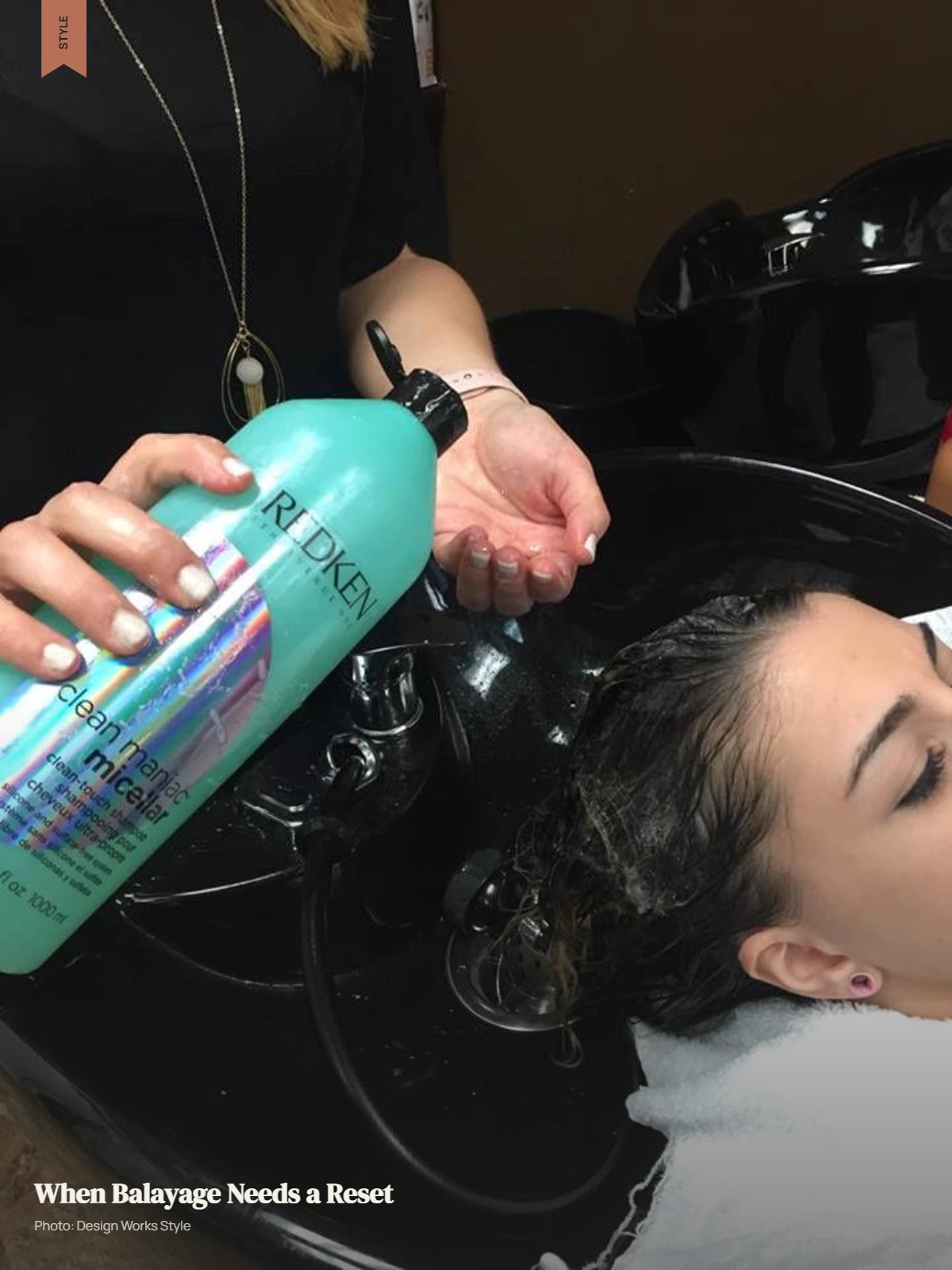
It may make sense when your hair feels coated, unusually flat or difficult to clean because of buildup from styling products, residue or other environmental factors.
It should not automatically replace your everyday shampoo.
If buildup is the problem, occasional clarification may be more logical than permanently switching to a stronger cleanser. Afterward, return to the regular routine that suits your scalp and hair.
If you are unsure whether you are dealing with buildup, dryness or product weight, look at how the hair behaves after washing. Hair that feels coated and limp can point toward buildup, while hair that feels rough and difficult to detangle may call for more conditioning support instead.
Shampoo Comparison for Balayage Hair
| Product | Best for | Color-care / sulfate status | Tone | Why it fits balayage | Watch-out |
|---|---|---|---|---|---|
| Redken Acidic Color Gloss | Everyday color maintenance and shine | Sulfate-free | Non-toning | Designed for color-treated hair and routine color care | Does not specifically neutralize brassiness |
| Pureology Hydrate | Dry, thicker balayage | Sulfate-free | Non-toning | Moisture-focused formula for medium-to-thick dry, color-treated hair | May be too rich for some fine hair |
| Olaplex No.4 | Fragile or processed hair | Color-safe | Non-toning | Strengthening-focused maintenance for processed hair | Shampoo alone is not a complete damage solution |
| Olaplex No.4FINE | Fine balayage | Sulfate-free, color-safe | Non-toning | Lightweight approach with volume positioning | Very dry hair may need additional conditioning |
| Kérastase Bain Ultra-Violet | Yellow-toned blonde balayage | Contains sulfate surfactants | Purple | Targeted anti-brass care for blonde hair | Not necessary if you like your existing warmth |
| L’Oréal EverPure Purple | Budget blonde toning | Sulfate-free | Purple | Lower-priced option for yellow/orange tonal concerns | Use according to its directions |
| Matrix Brass Off | Orange/copper brunette balayage | Contains sulfate surfactants | Blue-violet | Specifically positioned for lightened brunettes with brassiness | Better treated as targeted toning than a universal everyday choice |
Product formulas and manufacturer claims can change, so check the current product page and packaging before publication or purchase.
Which Shampoo Should You Choose?
Choose a shampoo for balayage hair based on your hair condition, texture, scalp needs, and the tone you want to maintain or change.
| Hair concern | Shampoo type | Recommended option | Why it fits |
|---|---|---|---|
| Maintain balayage color | Regular color-care shampoo | Redken Acidic Color Gloss | Designed for professionally color-treated hair, with a sulfate-free formula focused on color vibrancy and shine. |
| Dry, coarse, porous, or difficult-to-manage hair | Moisturizing shampoo | Pureology Hydrate | Positioned for medium-to-thick, dry, color-treated hair when moisture and manageability are the main concerns. |
| Fine hair that becomes flat easily | Lightweight shampoo | Olaplex No.4FINE | Specifically formulated around fine hair and volume, providing a lighter approach than a rich moisturizing formula. |
| Fragile hair after chemical processing | Strengthening-focused shampoo | Olaplex No.4 Bond Maintenance | Positioned around strengthening and bond maintenance for chemically processed hair. |
| Blonde balayage with unwanted yellow warmth | Purple toning shampoo | Kérastase Bain Ultra-Violet or L’Oréal EverPure Purple | Purple pigment may help visually neutralize unwanted yellow warmth in blonde or highlighted balayage. |
| Brunette or darker blonde balayage with orange or copper warmth | Blue or blue-violet toning shampoo | Matrix Brass Off | Positioned around blue-violet pigments for brassy tones in lightened brunette hair. |
| You like your warm balayage | Regular color-care shampoo | No toning shampoo needed automatically | Gold, honey, and caramel tones can be intentional. Toning is intended to change unwanted warmth. |
The right shampoo depends on your hair condition, natural base, balayage lightness, scalp needs, and whether you want to preserve or change the current tone.
Shampoo Mistakes That Can Work Against Your Balayage
Choosing only because the bottle says “color-safe.”
Color-safe positioning is useful, but it does not tell you whether the formula suits your scalp, hair thickness or condition.
Assuming sulfate-free automatically means better.
Sulfate-free can be a preference, but the whole formulation and how your hair responds matter more than one label claim.
Using purple shampoo every wash.
If your hair does not need yellow correction, routine use of a pigmented shampoo may be unnecessary.
Using purple shampoo on warm caramel balayage.
Warmth can be intentional. Do not correct a color you actually like.
Choosing a heavy moisturizing shampoo for fine hair.
Lightened hair does not automatically mean fine hair needs a rich formula.
Ignoring the scalp because the lengths are dry.
Your scalp still needs appropriate cleansing even when the ends need more moisture.
Treating shampoo as a complete solution for damaged hair.
Shampoo can support a routine, but significant changes in hair condition may require additional care or professional assessment.
Assuming one product works for every balayage.
Blonde, brunette, fine, thick, dry and oily hair can have different requirements.
Final Decision Guide
The best shampoo for balayage hair depends on your hair type, condition, color, and whether you want to maintain or change its tone.
Your priority
Everyday color care and shine
You want to maintain your balayage color while focusing on everyday color care and shine.
Your hair is
Dry, medium-to-thick, and color-treated
Your balayage hair needs more moisture and is medium-to-thick with a dry or difficult-to-manage feel.
Your hair feels
Fragile or heavily processed
Your hair has been through significant chemical processing and feels fragile or weakened.
Your hair is
Fine and easily weighed down
Your fine balayage hair tends to become flat or loses volume when you use heavier hair-care products.
Your blonde balayage looks
Yellow or overly warm
You want to reduce unwanted yellow warmth in blonde balayage rather than simply maintain the existing tone.
Your brunette balayage looks
Orange or copper
Your brunette or darker blonde balayage has unwanted orange or copper warmth that you want to tone.
Your hair feels
Coated or unusually flat
Buildup from styling products or residue may be making your balayage hair feel coated, heavy, or unusually flat.
Your balayage is
Warm, and you like the warmth
If you like the gold, honey, or caramel warmth in your balayage, there is no need to automatically add a toning shampoo.
Remember: Toning shampoo is most useful when you want to change unwanted warmth. If you already like your balayage tone, focus on the shampoo qualities that match your hair’s condition and texture.
The main point is simple: there is no single best shampoo for every balayage. Start with your scalp and hair condition, then consider the color. Use an everyday shampoo for routine cleansing and color care, and bring in toning shampoo only when the tone actually needs adjustment.
For the broader routine beyond shampoo, see our balayage hair care guide. For general maintenance principles, you can also refer to our hair care guide.
Frequently Asked Questions
What should I look for in a shampoo for balayage?
Sulfate-free, color-safe, and matched to your hair’s condition: hydrating for dry ends, lightweight for fine hair, bond-building for fragile or heavily processed hair.
Do I need purple shampoo for balayage?
Only for brassiness on blonde or lightened pieces, used weekly at most. It is a toner, not an everyday shampoo.
Can I use regular shampoo on balayage?
A gentle sulfate-free one, yes. Harsh clarifying shampoos strip toner and fade color fast, which defeats the purpose of the balayage.
How often should balayage hair be washed?
Two to three times weekly. Dry shampoo at the roots stretches wash day without touching the lengths.