
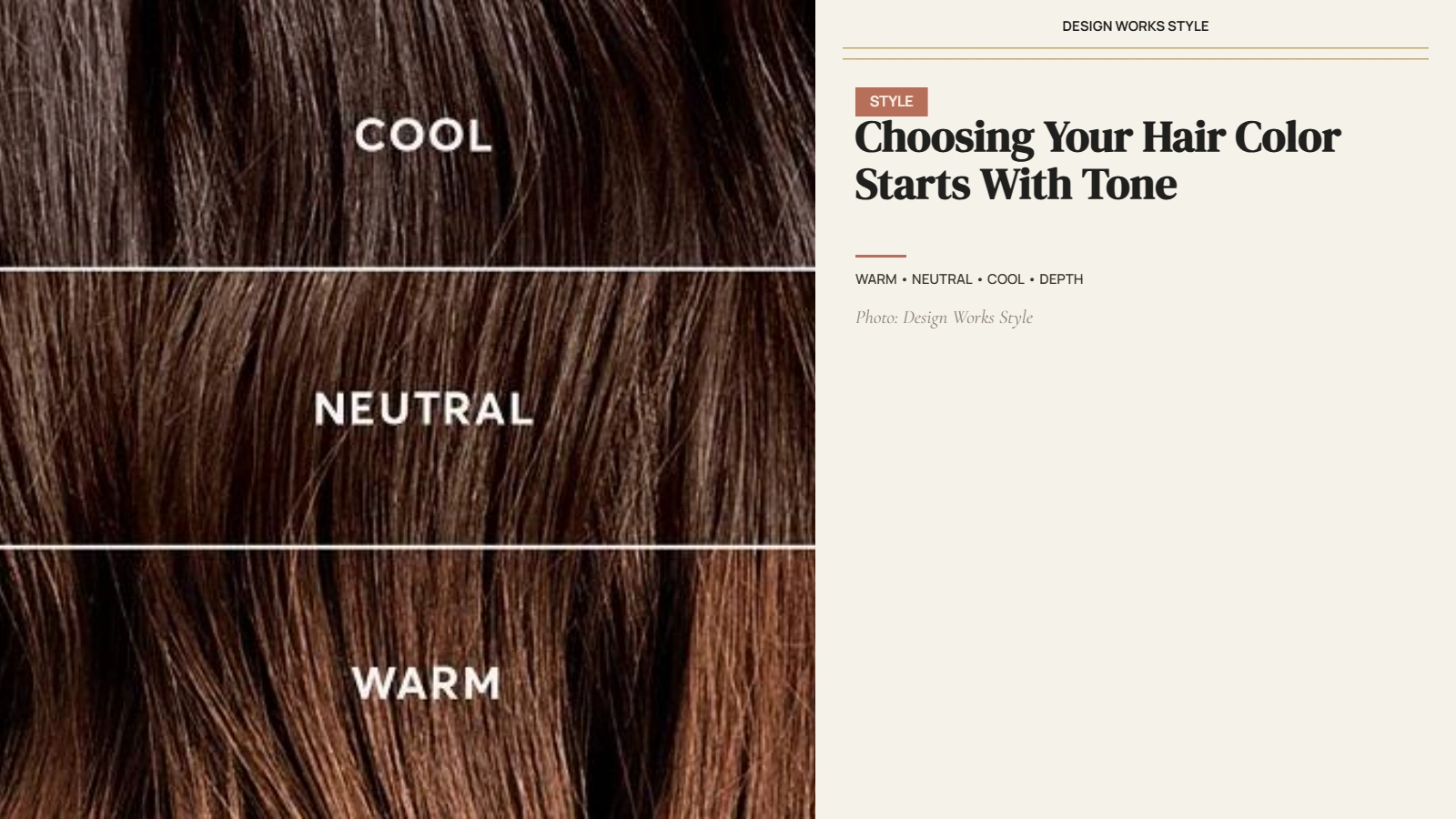
Hair color works best when the shade, technique, starting base, and upkeep all match the result you want. Start by deciding whether you want warm, cool, or neutral color, how much contrast you want, and whether you prefer an all-over change or dimensional placement such as highlights or balayage.
Your natural hair depth, previous color, hair condition, gray coverage goals, and maintenance tolerance can all affect the result. A color that looks one way in an inspiration photo may look quite different on your own hair.
The easiest way to narrow your options is to make a few decisions before choosing a specific shade.
How to Choose a Hair Color
Rather than starting with a single trend or inspiration photo, work through these seven factors:
- Color direction: warm, cool, or neutral
- Depth: lighter, similar to your current hair, or darker
- Contrast: subtle or noticeable
- Placement: all-over or dimensional
- Starting base: natural color and existing artificial color
- Hair condition: healthy, dry, porous, bleached, or damaged
- Maintenance: low, moderate, or high
These decisions are connected. Going significantly lighter may require professional lightening, which can increase maintenance and place more stress on the hair. Choosing dimensional color instead of an all-over shade can change how noticeable regrowth becomes.
Warm, Cool, and Neutral Hair Colors
The first major choice is the direction of the color.
Warm Hair Colors
Warm shades generally contain more visible golden, honey, amber, copper, or red qualities.
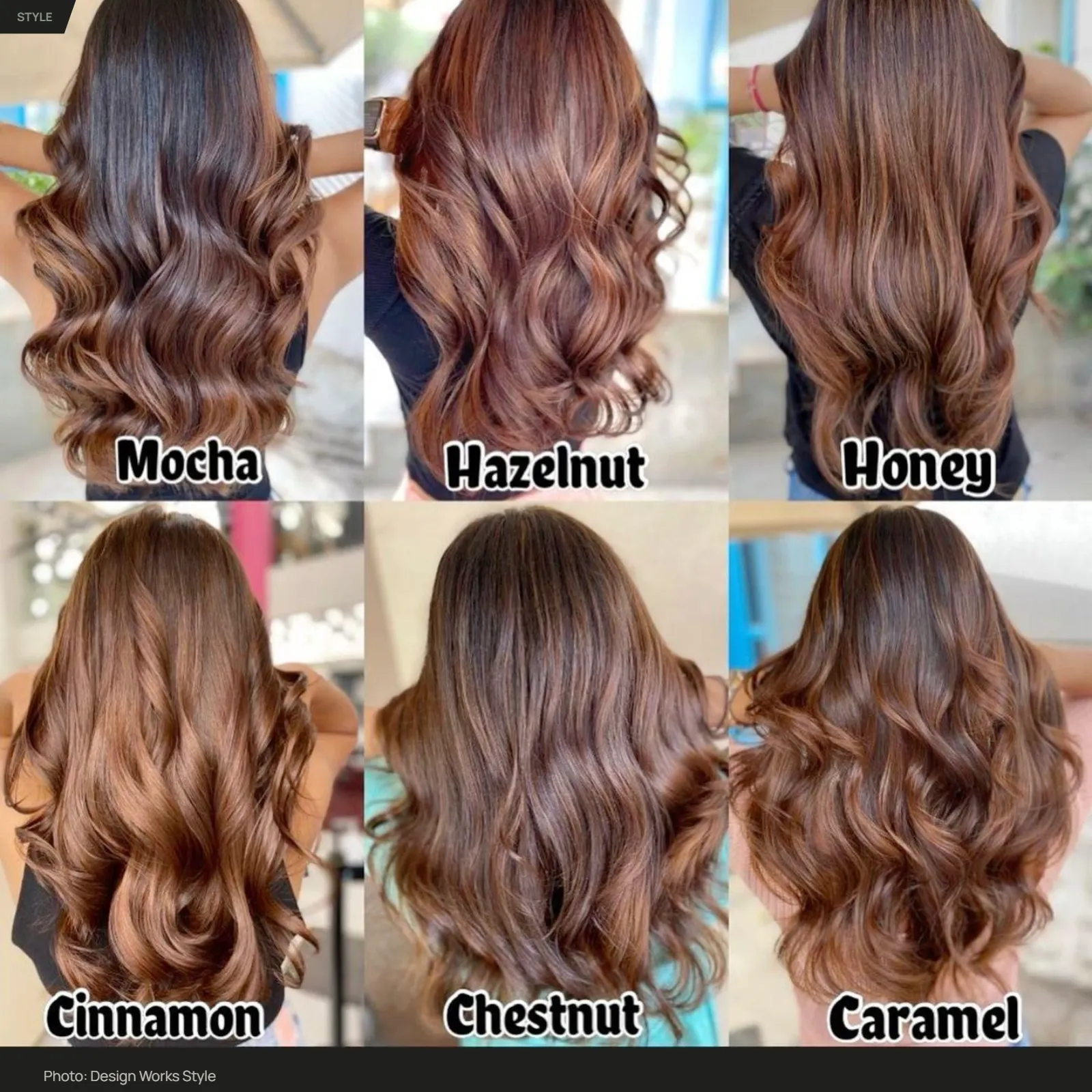
Common examples include:
- Caramel
- Honey
- Golden blonde
- Chestnut
- Warm chocolate
- Copper
- Toffee
Warm does not automatically mean orange. A soft caramel or golden beige can be warm without looking strongly copper.
For a closer look at one of the most versatile warm color families, see our caramel hair color guide, which covers caramel shades, depth, warmth, starting hair color, and maintenance.
Copper sits further toward orange and red warmth. If that is the direction you are considering, our copper balayage guide focuses specifically on copper tones used through dimensional placement.
Cool Hair Colors
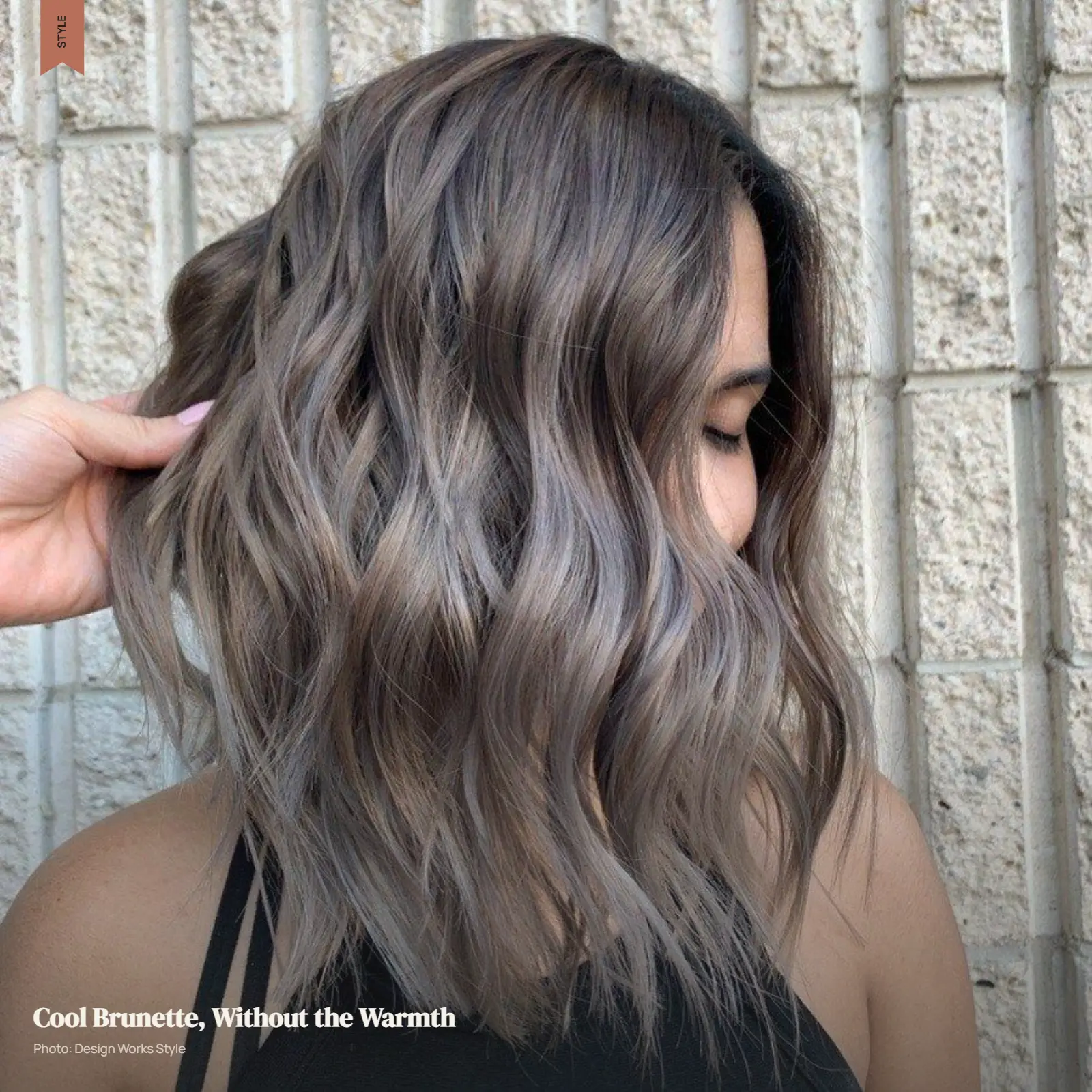
Cool shades are generally designed to reduce or avoid obvious gold, orange, or red warmth.
Examples include:
- Ash brown
- Mushroom brown
- Taupe
- Cool beige
- Cool chocolate
- Smoky brunette
Ash brown hair is one example of a cool brunette direction. Its depth can vary from lighter beige-ash brown to deeper smoky brunette, so choosing the undertone and depth separately is important.
Neutral Hair Colors
Neutral shades sit between strongly warm and strongly cool directions.
Examples include:
- Neutral brown
- Beige blonde
- Soft chocolate
- Balanced bronde
Neutral can be useful when you want your hair to retain some natural warmth without emphasizing distinctly golden, copper, red, or smoky tones.
Undertone guidelines are starting points rather than universal rules. Your current color, natural depth, lighting, personal preference, and desired contrast all affect how a shade appears.
Hair Color by Depth
Color family and depth are separate decisions.
You can want a warm color at a darker depth, a cool color at a lighter depth, or a neutral shade somewhere between your current color and your desired result.
Going Lighter
Going lighter can create more brightness and contrast, but it may require professional lightening and usually increases maintenance.
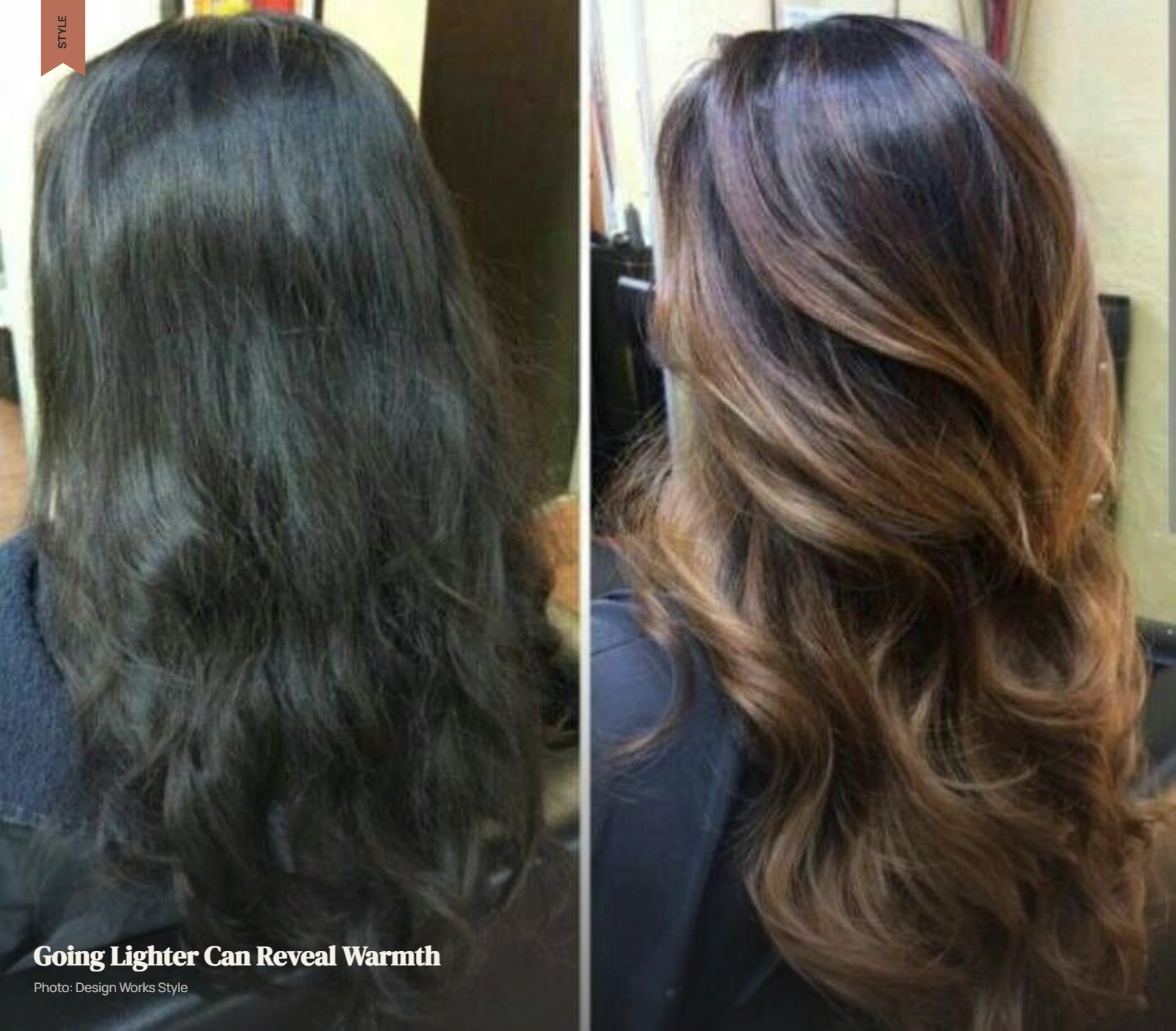
It can also expose underlying warmth. Darker hair commonly reveals warmer tones as it is lightened, so the final result may require additional tonal adjustment.
Going lighter is therefore not simply a matter of choosing a lighter shade.
Staying Close to Your Current Depth
Staying relatively close to your current depth can create a more subtle change and may simplify maintenance.
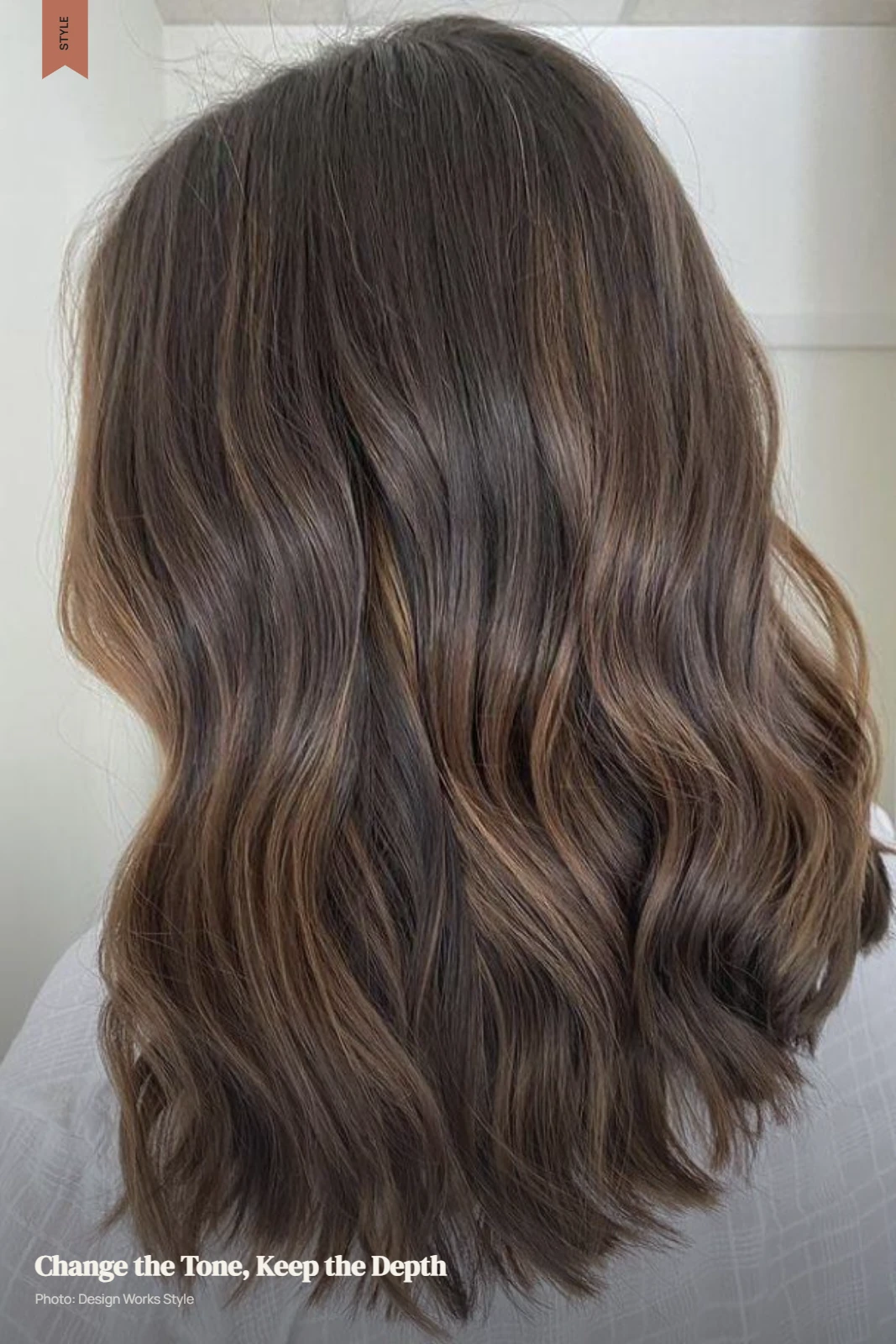
You can still change the overall appearance by adjusting warmth, coolness, dimension, or placement without making the hair dramatically lighter or darker.
Going Darker
Going darker can add richness and definition.
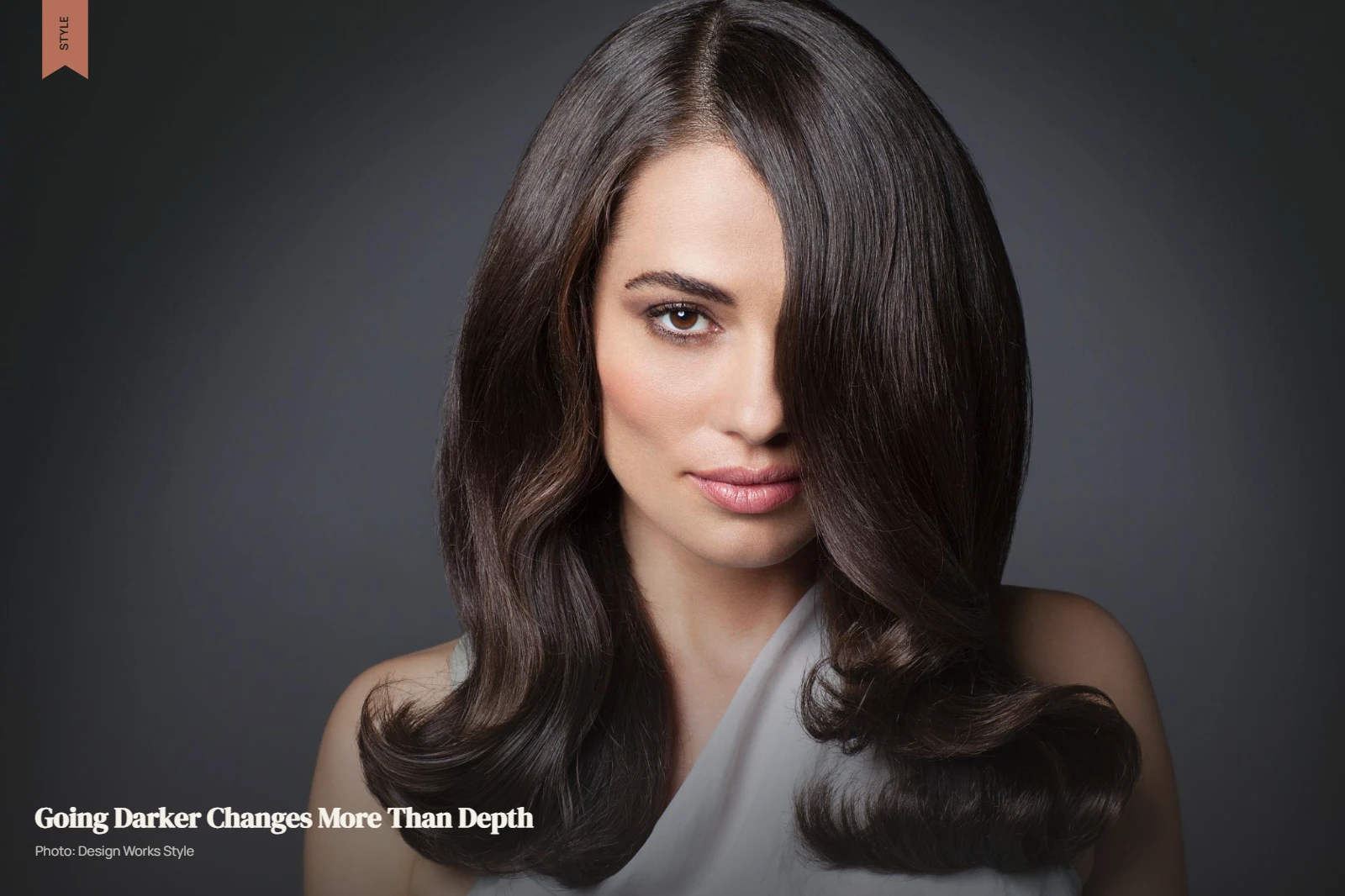
However, a very dark result can create stronger contrast than intended and may be more difficult to reverse if you later decide to go significantly lighter.
The useful question is not whether lighter or darker is better. It is how much change you actually want.
Your Starting Hair Color Matters
The same color formula does not produce the same result on every head of hair.
Your starting point can include:
- Natural hair level
- Previously colored hair
- Box dye
- Bleached hair
- Existing warmth
- Gray hair
- Porosity
- Previous chemical treatments
| Starting point | What affects the result |
|---|---|
| Natural light hair | Many lighter or tonal changes may be more achievable |
| Medium brown | Many brunette, caramel, and dimensional options are possible depending on the goal |
| Dark brown | Lighter results may require professional lightening |
| Previously colored hair | Existing artificial pigment can limit or change the result |
| Bleached or porous hair | Color may deposit differently or appear stronger in lightened sections |
| Gray or partly gray hair | Coverage and blending become separate decisions |
One of the most important distinctions is between depositing color and lightening hair.
Applying a lighter-looking color does not necessarily lighten previously colored dark hair. If the goal is substantially lighter than the current base, the hair may need to be lightened first.
Previous color also matters. A stylist needs to know about old permanent color, box dye, bleach, highlights, and other chemical treatments when assessing what can realistically be achieved.
Choosing Your Desired Level of Contrast
Contrast affects how noticeable a color change feels.
Low Contrast
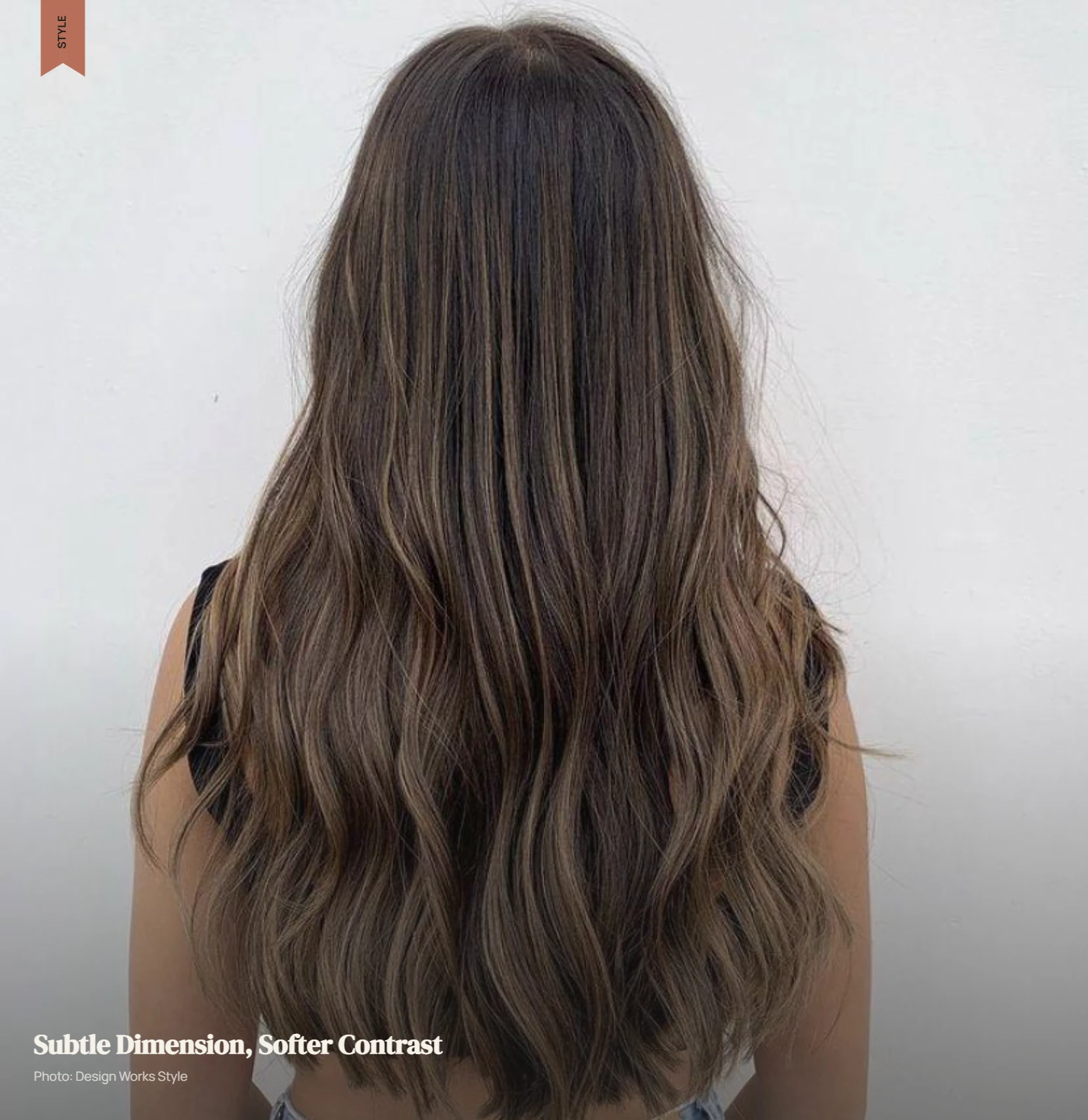
Low-contrast color can be useful when you want:
- A natural-looking change
- Subtle dimension
- Softer grow-out
- Minimal visual separation
For example, a brunette may add slightly lighter brown pieces rather than creating dramatically blonde sections.
Medium Contrast
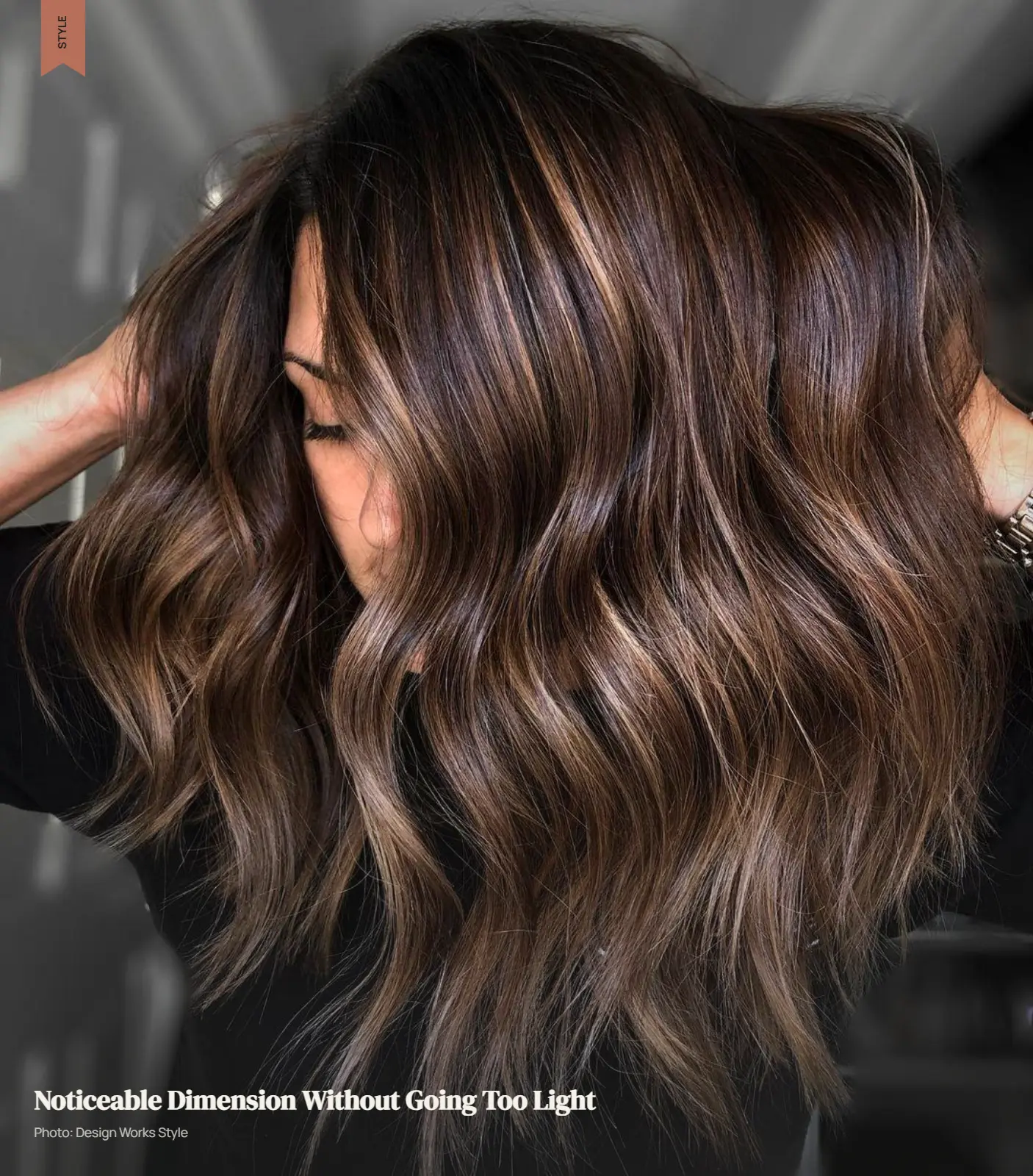
Medium contrast can provide:
- Noticeable dimension
- Some brightness
- More visible variation without a dramatic change
This can create a clear difference between the base and lighter pieces while still keeping the overall result relatively blended.
High Contrast
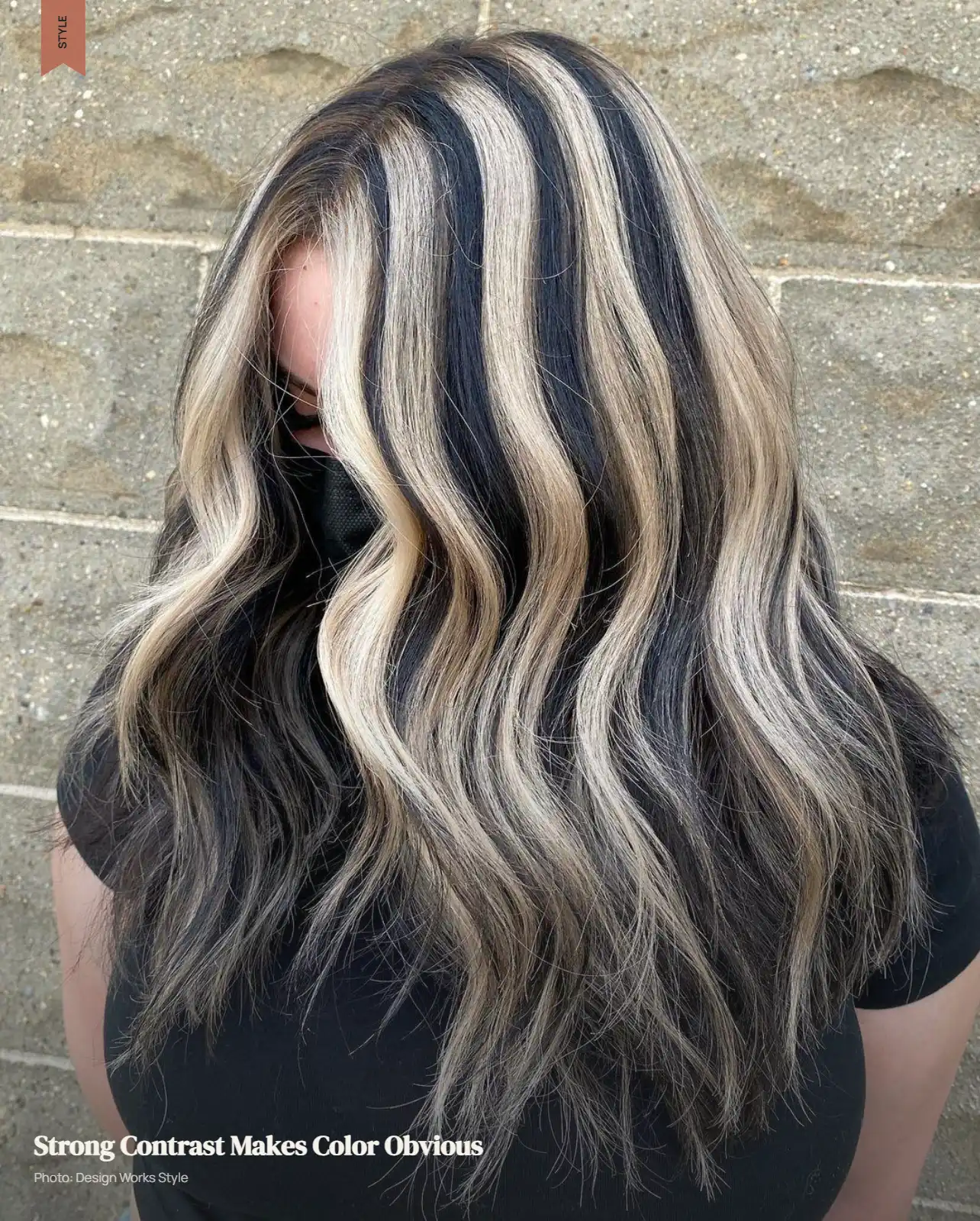
High contrast is appropriate when the goal is a more dramatic color difference.
This can include:
- Bold highlights
- Significant lightness
- Strong separation between the base and lighter pieces
Larger, stronger sections generally create a more obvious result, while finer sections can create softer dimension.
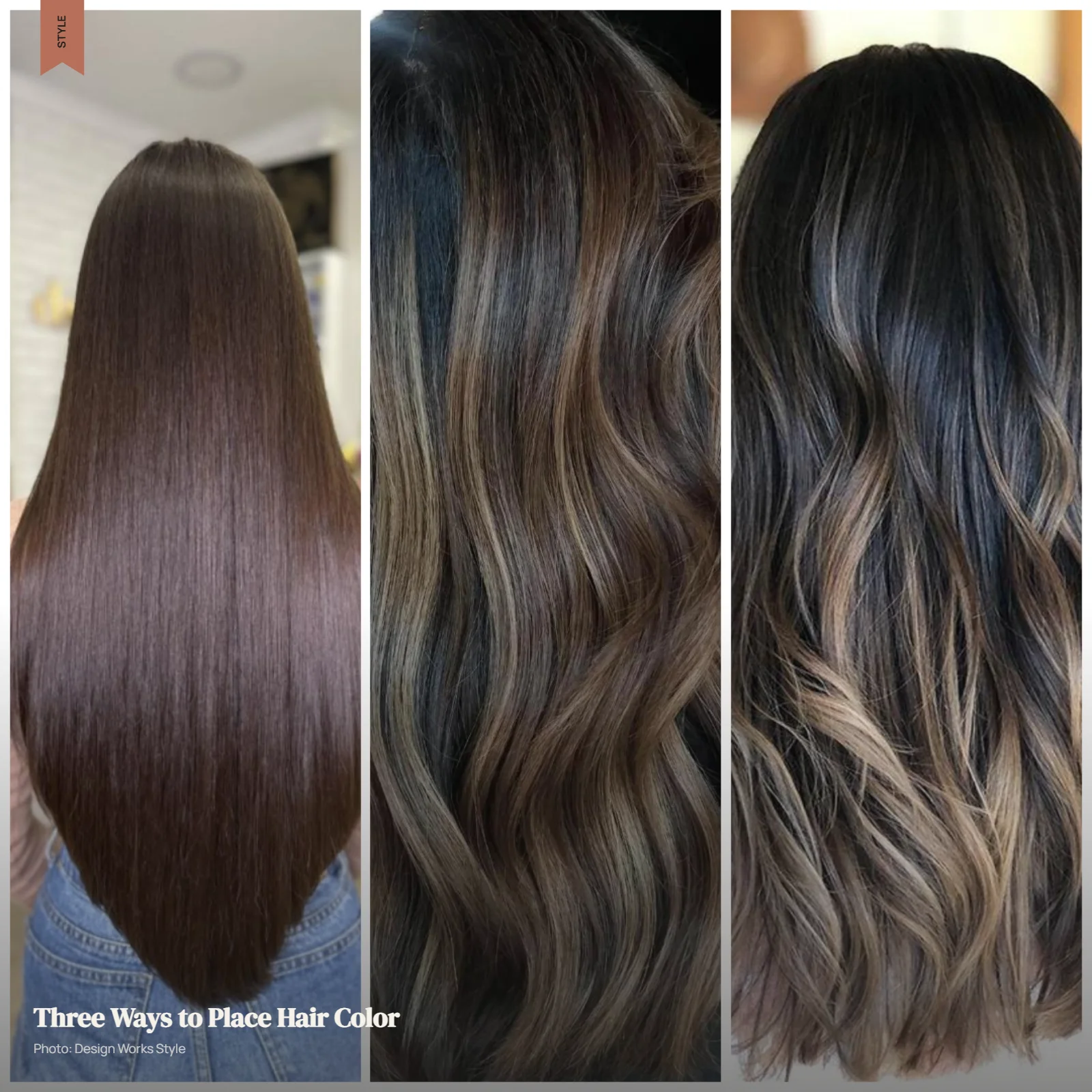
[IMAGE PLACEHOLDER: Hair color comparison showing subtle, medium, and high contrast between a natural brunette base and lighter pieces.]
All-Over Color vs. Dimensional Color
The color you choose and the way it is placed are separate decisions.
| Technique | Best suited to | What to expect |
|---|---|---|
| All-over color | Consistent overall tonal or depth change | More uniform result and clearer regrowth |
| Highlights | Adding brightness throughout selected sections | Can range from subtle to high contrast |
| Balayage | Painted, dimensional brightness | Placement-focused result with potentially softer grow-out |
| Lowlights | Adding depth to lighter hair | Creates tonal variation |
| Gloss or toner | Minor tonal refresh and shine | Temporary tonal effect rather than major lightening |
| Gray blending | Reducing contrast between gray and colored hair | Uses variation rather than necessarily covering every gray strand |
These techniques can produce very different results even when the underlying color family is similar.
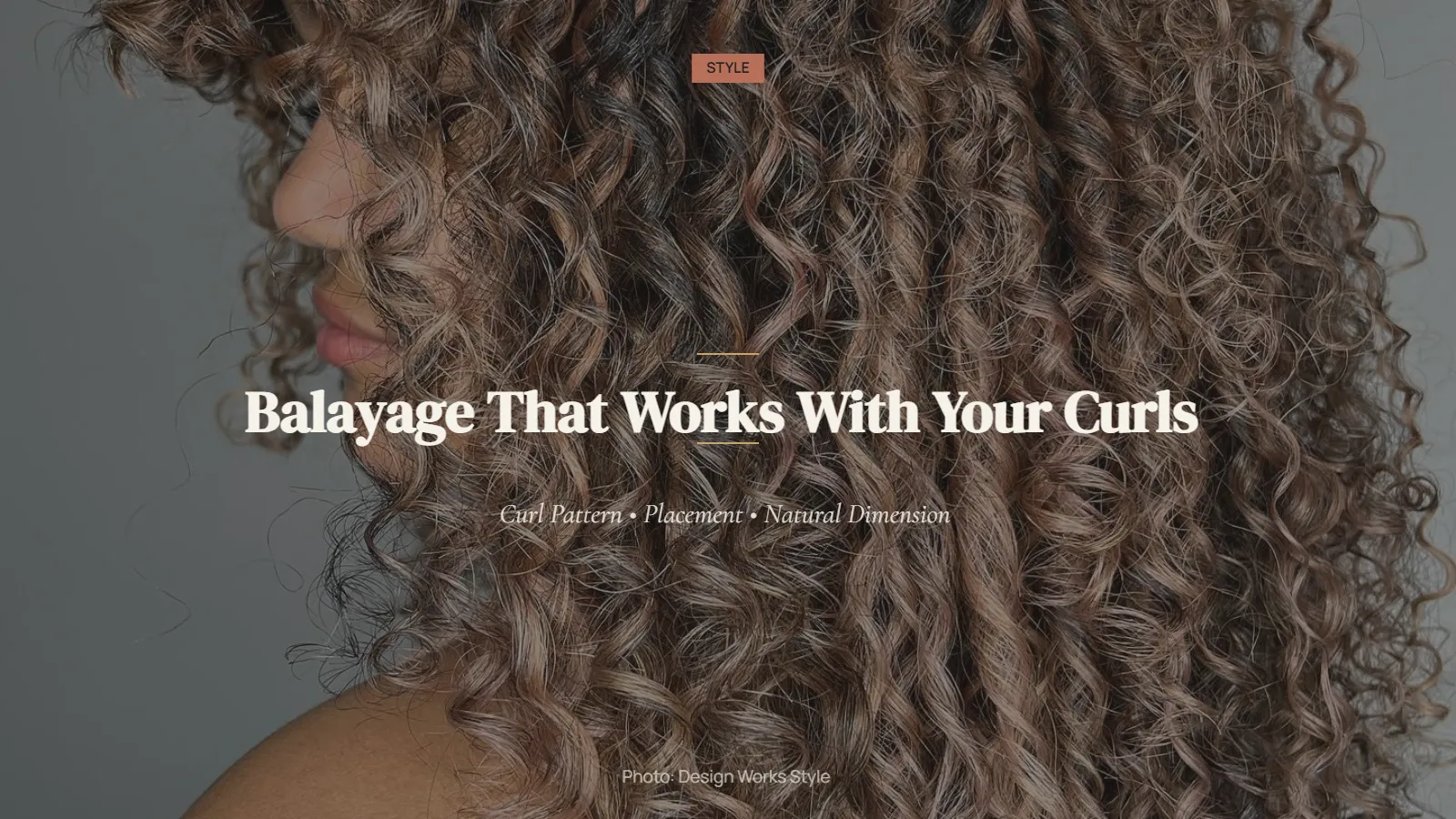
Balayage, for example, is a placement technique, not a specific hair color. Caramel, blonde, brunette, copper, and cool-toned shades can all be incorporated through balayage.
If you want a broader explanation of the technique and how it differs from other color-placement approaches, see our balayage guide.
How to Choose Between All-Over Color and Highlights
Consider All-Over Color When:
- You want consistent color throughout.
- You want to change the overall depth.
- You need more uniform gray coverage.
- Your existing color is uneven throughout the hair.
All-over color creates a more consistent visual result, but the contrast between new growth and the colored hair can become noticeable depending on the depth difference.
Consider Highlights or Dimensional Color When:
- You want brightness without changing the entire base.
- You want visible variation.
- You want to retain some of your natural color.
- You prefer a more gradual visual transition as the color grows out.
Dimensional color does not automatically mean lower maintenance. Upkeep depends on placement, starting color, amount of lightening, gray coverage, and how much contrast you want to maintain.
Choosing Balayage for Your Starting Hair
If you decide that dimensional color is more appropriate than an all-over change, your starting hair still determines which options are realistic.
Brown hair is a common starting point for balayage because the natural or colored base can remain visible while lighter pieces introduce contrast. The amount of brightness depends on the starting depth and how much the hair is lightened.
For more detail on this starting point, see our guide to balayage on brown hair.
The color family can then change the character of the result. For example, caramel creates a warmer dimensional effect, while ash brown creates a cooler direction.
If you specifically want caramel placed through balayage, the caramel balayage guide is the more focused resource. If your starting hair is particularly dark, the caramel balayage on dark hair guide addresses that narrower starting point.
The important distinction is that this broad page helps you choose whether and why you might use a technique. The specific technique pages can then address the details of that particular approach.
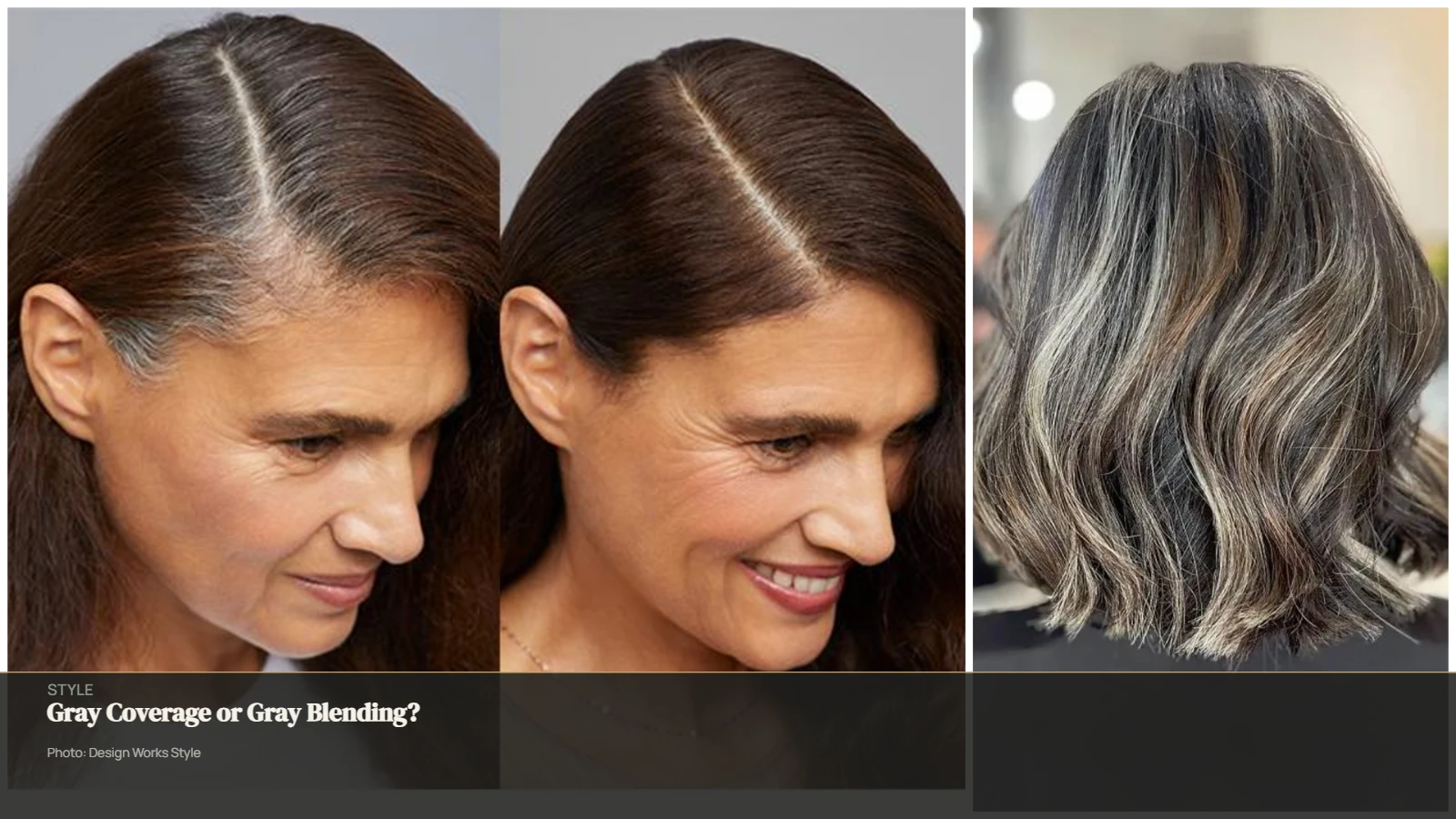
Gray Coverage vs. Gray Blending
Gray introduces another important hair-color decision.
Gray Coverage
All-over or root-focused color can provide a more uniform appearance when complete coverage is the goal.
This can create a consistent base, but new gray growth may become more noticeable as it appears against the colored hair.
Gray Blending
Gray blending uses highlights, lowlights, or tonal variation to reduce the visual difference between gray strands and colored hair.
It may appeal to someone who wants:
- Less obvious regrowth
- More dimensional color
- A gradual transition
- Less reliance on solid root coverage
Gray blending and gray coverage are different goals. Neither needs to be treated as inherently better, and maintenance depends on the technique and desired result.
Hair Color Ideas by Your Goal
Instead of choosing from a huge list of trends, start with the effect you want.
| You want… | Possible direction |
|---|---|
| A brighter brunette | Caramel, honey, toffee, golden beige |
| A cooler brunette | Ash brown, mushroom brown, cool chocolate |
| A richer brunette | Chocolate, mocha, neutral brown |
| More blonde without going platinum | Honey, beige, warm-neutral bronde |
| More warmth | Caramel, chestnut, copper, golden brown |
| Less visible warmth | Ash, mushroom, taupe, cool-neutral brown |
| A softer gray transition | Highlights, lowlights, gray blending |
| A temporary tonal refresh | Gloss or toner |
These are examples rather than rankings. The right direction depends on your starting hair, desired depth, contrast, and maintenance preferences.
| Maintenance Level | Common Choices | What It Often Involves |
|---|---|---|
| Lower Maintenance |
Smaller changes Shades close to the natural base Dimensional placement Softer grow-out |
Less noticeable regrowth and fewer major color changes, depending on the application. |
| Moderate Maintenance |
Tonal refreshes Highlights Balayage Gray blending |
May involve periodic color or tonal refreshes to maintain the desired appearance. |
| Higher Maintenance |
Major lightening Strong root-to-end contrast Frequent gray coverage Significant color changes |
Greater attention to regrowth, lightened hair, tone, or maintaining a substantial color change. |
Important: These categories are not absolute. Two people can have the same basic color but different maintenance needs depending on the application and desired result.
Basic Hair Color Maintenance
Once your color is finished, basic care can help you manage the condition and appearance of the hair.
- Use cleansing and conditioning products appropriate for your scalp and colored lengths.
- Avoid unnecessarily aggressive washing or excessive heat.
- Use heat protection before high-temperature styling.
- Follow your colorist’s aftercare instructions.
- Refresh tone when needed rather than continuously adding pigment.
- Protect lightened hair from unnecessary mechanical and thermal stress.
For broader guidance on everyday cleansing, conditioning, heat styling, and maintaining different types of hair, see our Hair Care guide.
If your color includes balayage or other lightened sections, care can require more attention than an untreated natural base. Our balayage hair care guide focuses specifically on maintaining hair with balayage.
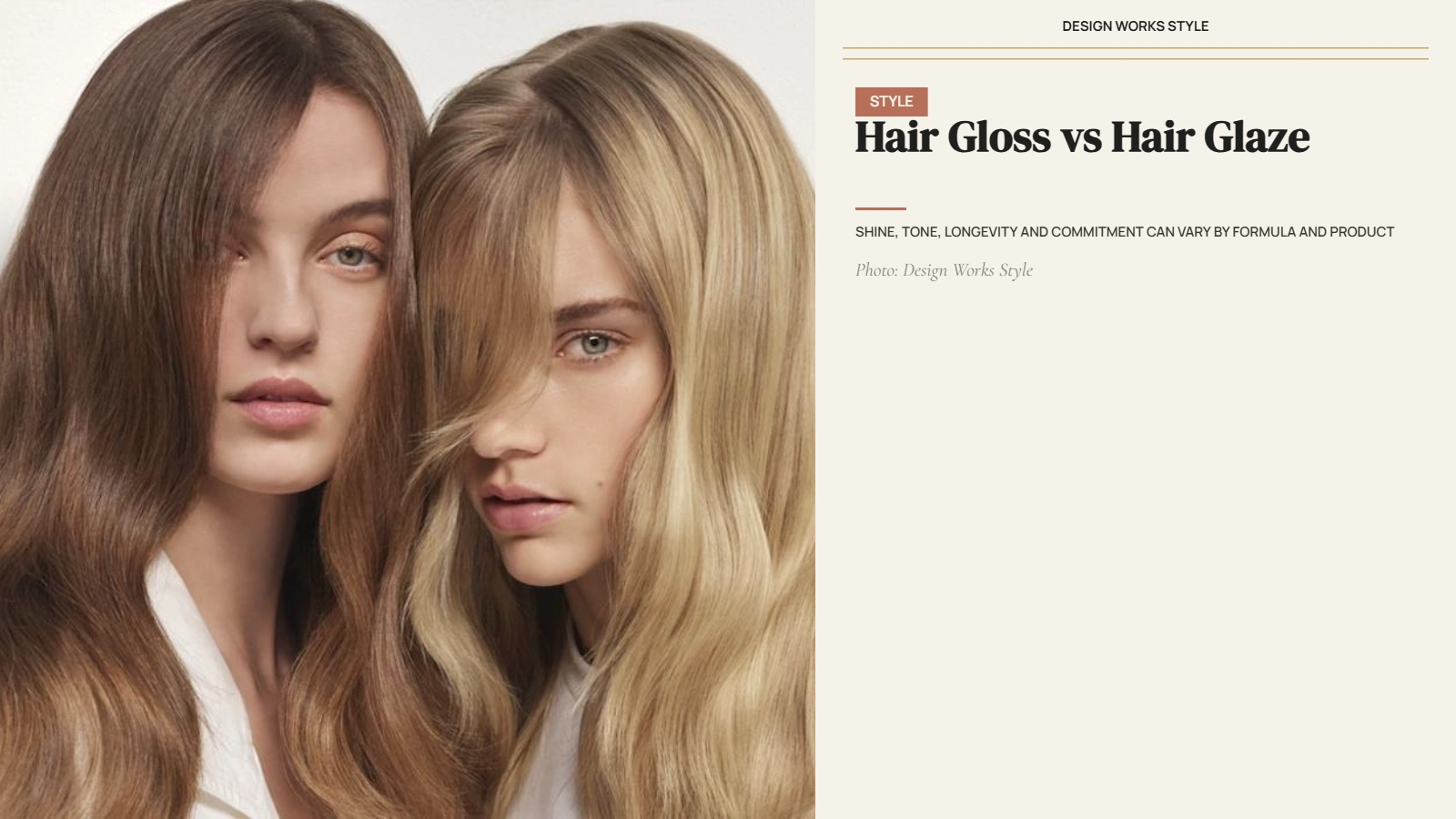
Glosses and Tonal Refreshes
Not every color change requires another major coloring service.
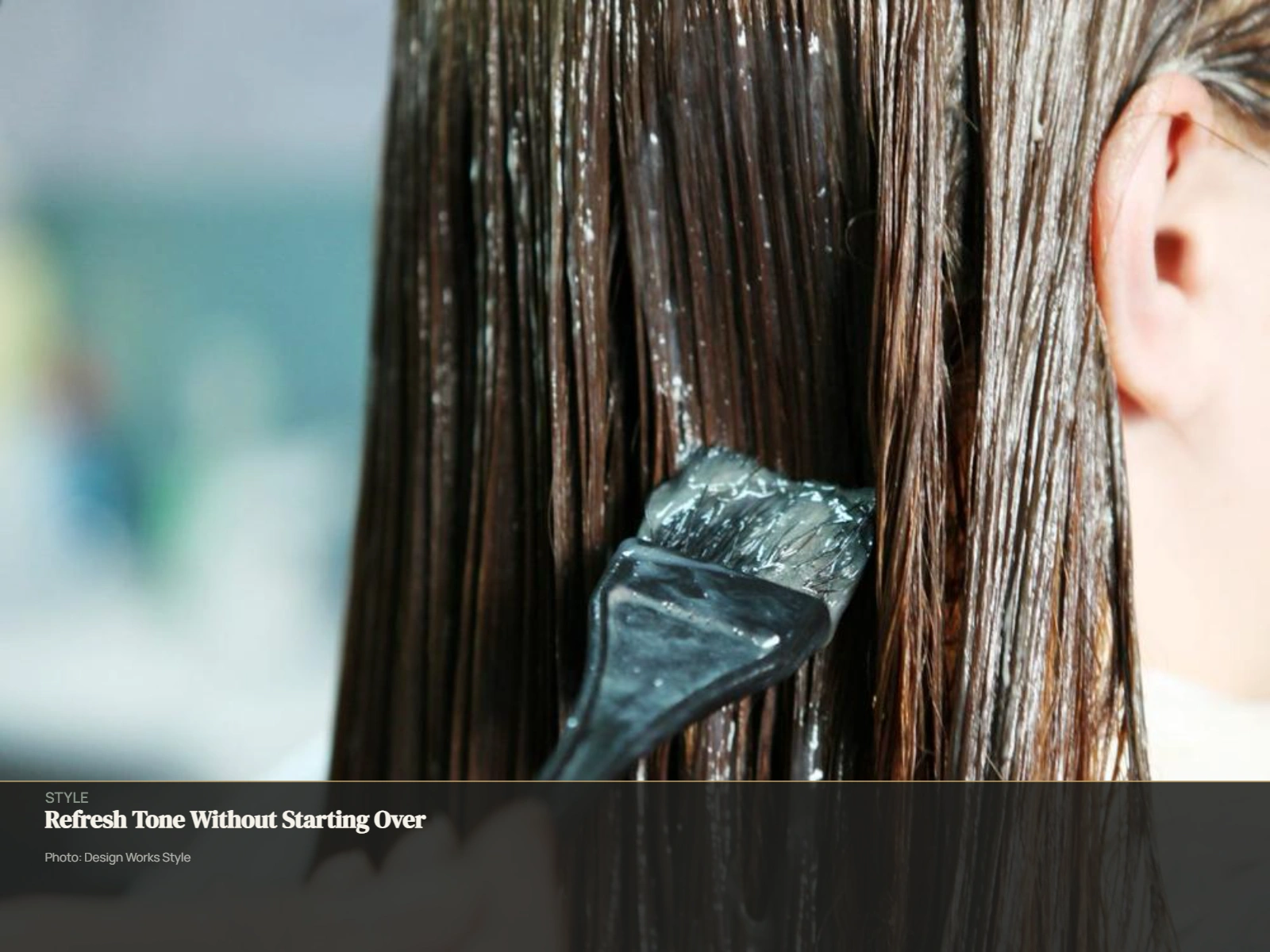
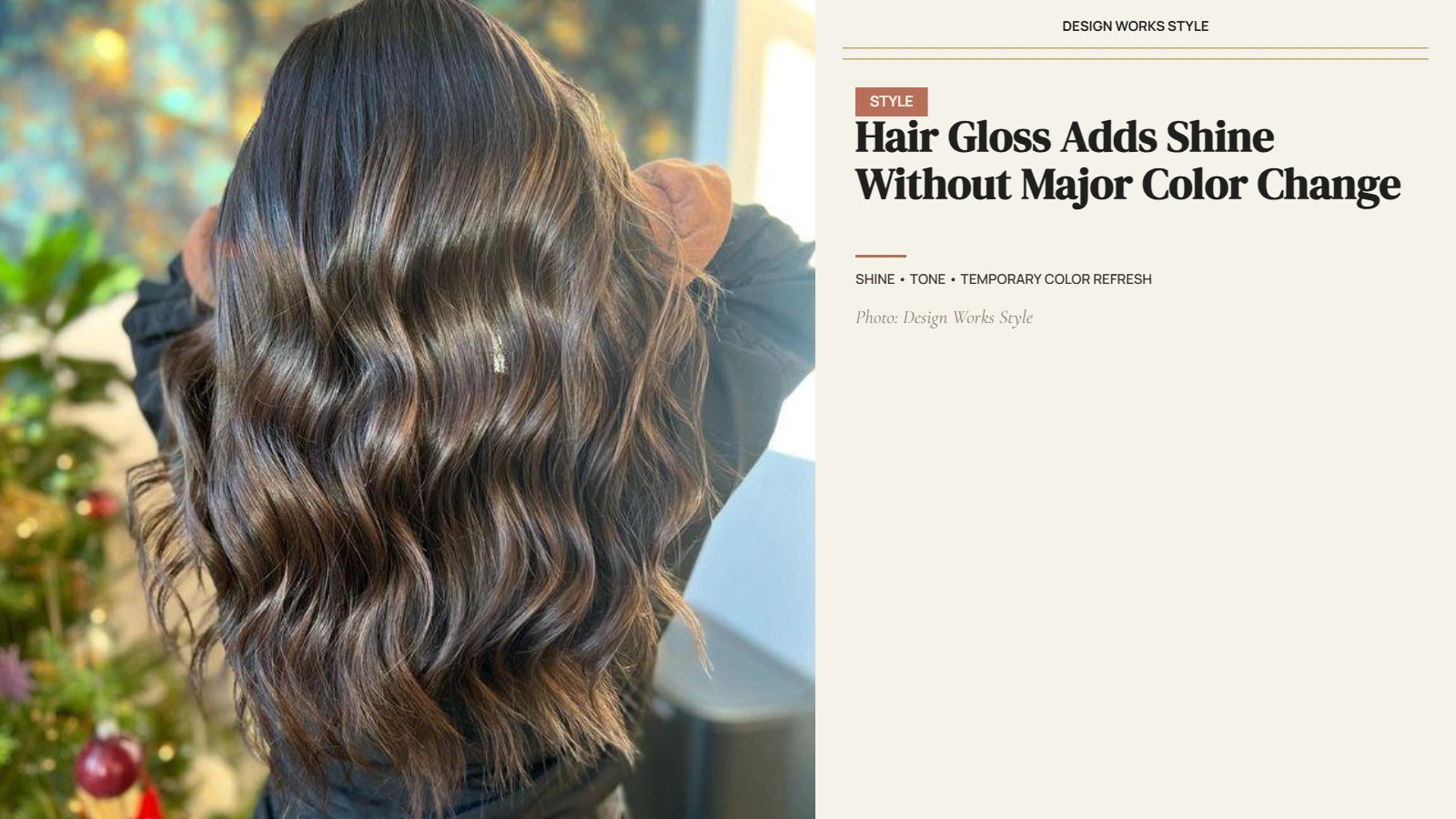
A gloss or toner can sometimes be used to refresh tone or shine when the underlying color and depth are still appropriate. This can be useful when the main issue is fading rather than regrowth or insufficient lightness.
A hair gloss can provide more context on what a gloss is intended to do and how it differs from a larger color change.
The appropriate refresh depends on the formula, starting color, porosity, and desired result. It is not necessary to treat every change in tone as a reason for another full color service.
Common Hair Color Mistakes
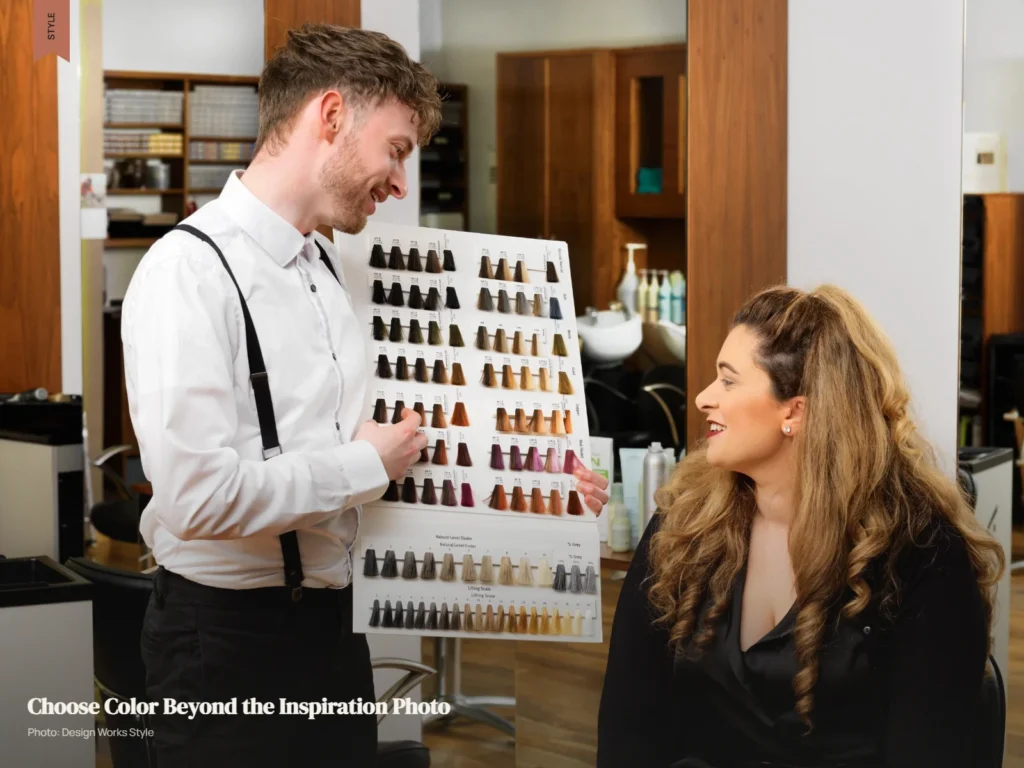
Choosing a Color From a Single Photo
Lighting, filters, styling, and the model’s starting color can change how a shade appears.
Better approach: Compare multiple references, preferably in natural daylight.
Ignoring Your Current Color
Previous artificial pigment can affect what is achievable.
Better approach: Give your stylist an accurate color history, including previous dye, bleach, highlights, and other chemical services.
Assuming Lighter Color Always Means Better
Going lighter can increase contrast, maintenance, and potential warmth.
Better approach: Choose brightness based on the desired visual effect and how much upkeep you are willing to manage.
Choosing a Toner Without Identifying the Unwanted Tone
Different unwanted tones call for different tonal approaches. Purple is generally associated with reducing yellow warmth, while blue-based products may be more relevant to orange warmth.
Better approach: Identify the visible tone first and follow the specific product or professional instructions.
Making a Major Chemical Change at Home
Large color changes and corrections can be difficult to predict, especially over previously colored or lightened hair.
Better approach: Seek professional assessment when substantial lightening, correction, or overlapping chemical history is involved.
How to Prepare for a Hair Color Consultation
A good consultation starts with useful information about your current hair.
Bring:
- Current hair photos in natural daylight
- Inspiration photos
- Information about your natural hair color
- Previous dye history
- Bleach or lightening history
- Recent chemical treatments
- Gray coverage or blending goals
- Desired maintenance level
Try to describe the result rather than simply naming a trend.
For example:
“I want to stay brunette but add soft caramel dimension.”
“I want a cool brown without obvious red or orange.”
“I want to blend my gray rather than completely cover it.”
“I want brighter pieces around my face but low overall contrast.”
This gives your stylist a clearer starting point for evaluating your current hair and discussing what is realistically achievable.
Frequently Asked Questions
How do I choose the right hair color?
Start with your current hair depth, desired level of change, preferred warm, cool, or neutral direction, desired contrast, and maintenance tolerance. Previous color and hair condition also affect what is realistically achievable.
What is the difference between warm and cool hair color?
Warm colors generally show more golden, honey, amber, copper, or red qualities, while cool colors tend toward ash, taupe, smoky, or muted reflects. Neutral shades sit between stronger warm and cool directions.
Is balayage a hair color or a technique?
Balayage is a color-placement technique rather than a specific color. It can be used to create many different color effects, including caramel, blonde, brunette, copper, and ash-toned results.
Does hair color damage your hair?
The potential for damage depends on the process. Lightening generally places more stress on the hair than simply depositing or refreshing tone. Previous chemical processing, porosity, and overlapping services also matter.
How often should hair color be refreshed?
There is no single schedule for everyone. Refresh frequency depends on the color, technique, gray coverage, regrowth, washing routine, fading, and the level of maintenance you want.