
Celebrity photos make great references, but only if you read them right. The photo shows styling, lighting, and their hair. You need the cut underneath.show a blunt bob, textured pixie, shoulder-length lob, layered crop, or short haircut with bangs in a way that makes the shape easy to picture.
Don’t copy the whole look. That photo had a pro stylist, hot tools, and perfect lighting. Your morning won’t.ls, products, extensions, lighting, and a particular hair texture or density.
Look past the finish. Find the length, the silhouette, where the layers sit, what the fringe does. That’s the part you’re actually asking for. then work with your stylist to adapt those details to your own hair.
Borrow the idea, not the exact cut. Your hair isn’t theirs.
How to Use a Celebrity Haircut as Inspiration
Before you save it, ask:
- How short is the hair?
- Where does the haircut end?
- Is the perimeter blunt or layered?
- Is there a fringe?
- Where is the volume concentrated?
- Does the hair look naturally textured or deliberately styled?
- How much daily styling would it take to reproduce the photograph?
A sleek bob and a wavy bob can be the same haircut. The length and perimeter didn’t change, only the styling did.rimeter may be nearly identical even though the finished styles look completely different.
Look at the shape first
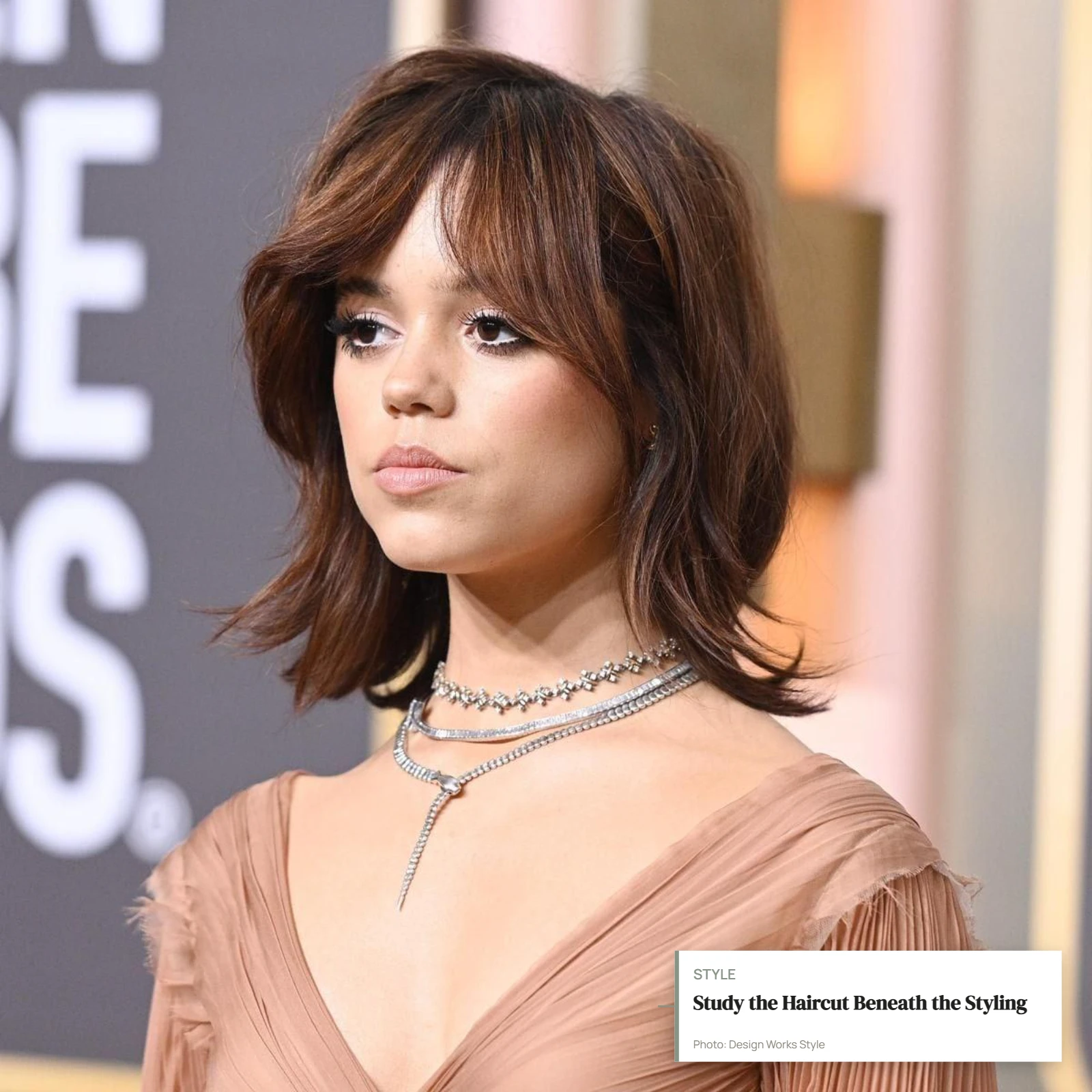
Nail the silhouette first. Products and styling come later.
Break it down:
- A strong, straight perimeter
- A rounded shape
- A shorter back with a longer front
- Layers that create movement
- A cropped shape with extra length on top
- A fringe that changes the proportions of the cut
Once you can describe the structure, you don’t need the celebrity’s name. “Shorter in back, longer in front, textured ends” tells your stylist more than any name.
Bring more than one reference
Find multiple angles. Front views hide the back and sides, which is where short cuts live or die. around the nape, sides, or back.
Ideal set: front, side, and one candid shot showing how it looks without the full styling treatment. finish.
Celebrity Bob Haircuts
Small changes make big differences in bobs. A centimeter here, a layer there, completely different haircut.ering, and styling can produce very different results.
Blunt Bobs
A blunt bob is one clean line with minimal layering. Chin, jaw, or collarbone, the perimeter does the talking.n, jaw, or slightly below it.
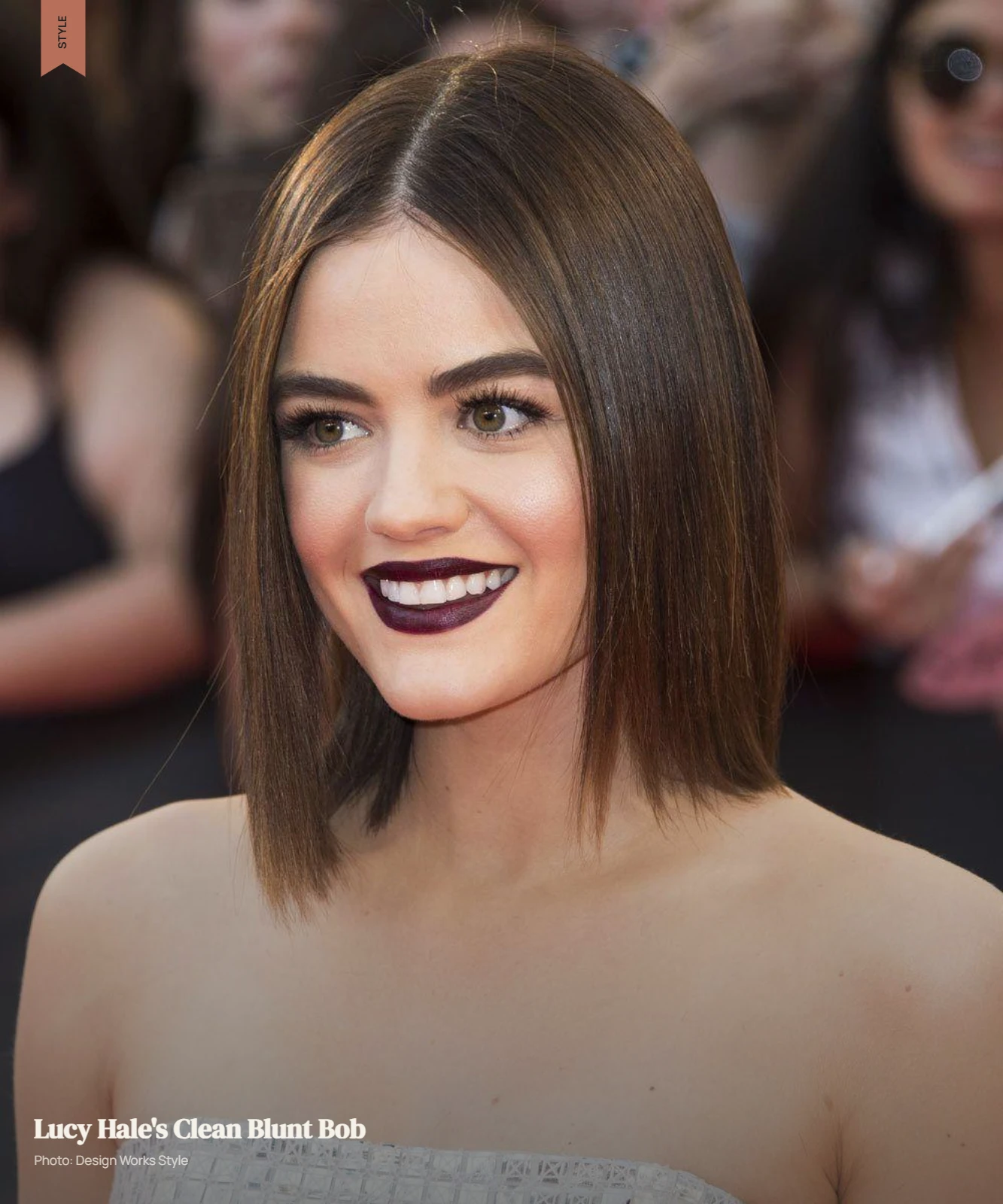
Celebrity versions of this shape have appeared in many different finishes. Anna Wintour’s polished bob with fringe is the iconic reference. Lucy Hale has worn sleeker, cleaner versions.
The perimeter is everything here. Ask your stylist to keep the ends solid and clean, and discuss exactly where that line should sit. should remain at the ends and where the perimeter should sit.
Straight shows the line at full strength. Waves soften it. Same cut, different attitudes.ts basic structure.
Tell your stylist: “Clean shape, strong perimeter, solid ends. Here’s where I want the length.”
Angled Bobs
An angled bob goes shorter in back, longer in front. The angle is the whole haircut.its defining features.
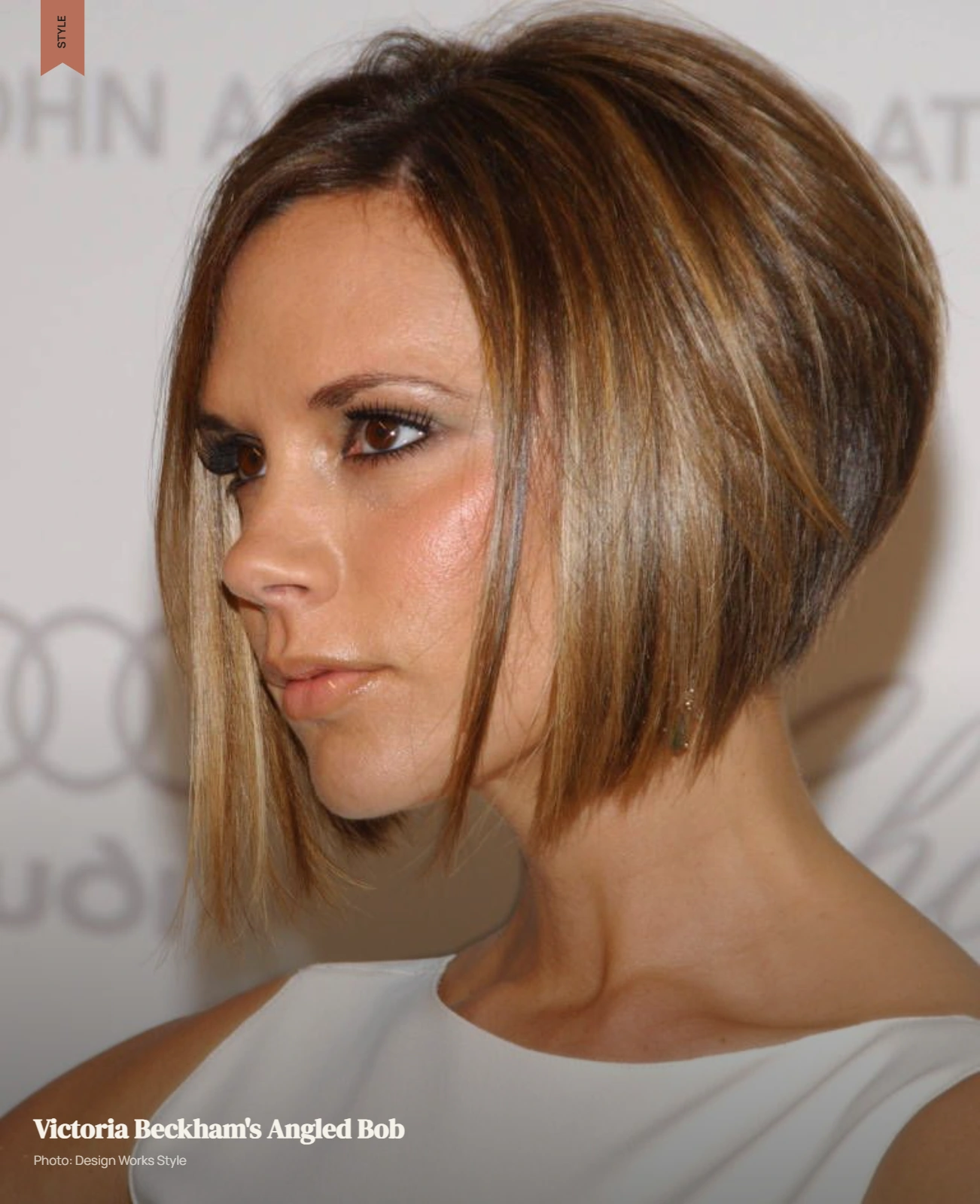
Victoria Beckham made the angled bob famous. Her versions show how the back-to-front transition changes the whole silhouette.
Forget reproducing the photo. Decide how dramatic you want the angle: subtle slope or sharp statement?
Subtle angle reads classic. Strong angle reads bold. There’s no wrong answer, just different haircuts.
obvious directional line and may require more deliberate styling.Tell your stylist: “Shorter in back, longer in front. Let’s talk about how strong the angle should be.”
Textured Bobs
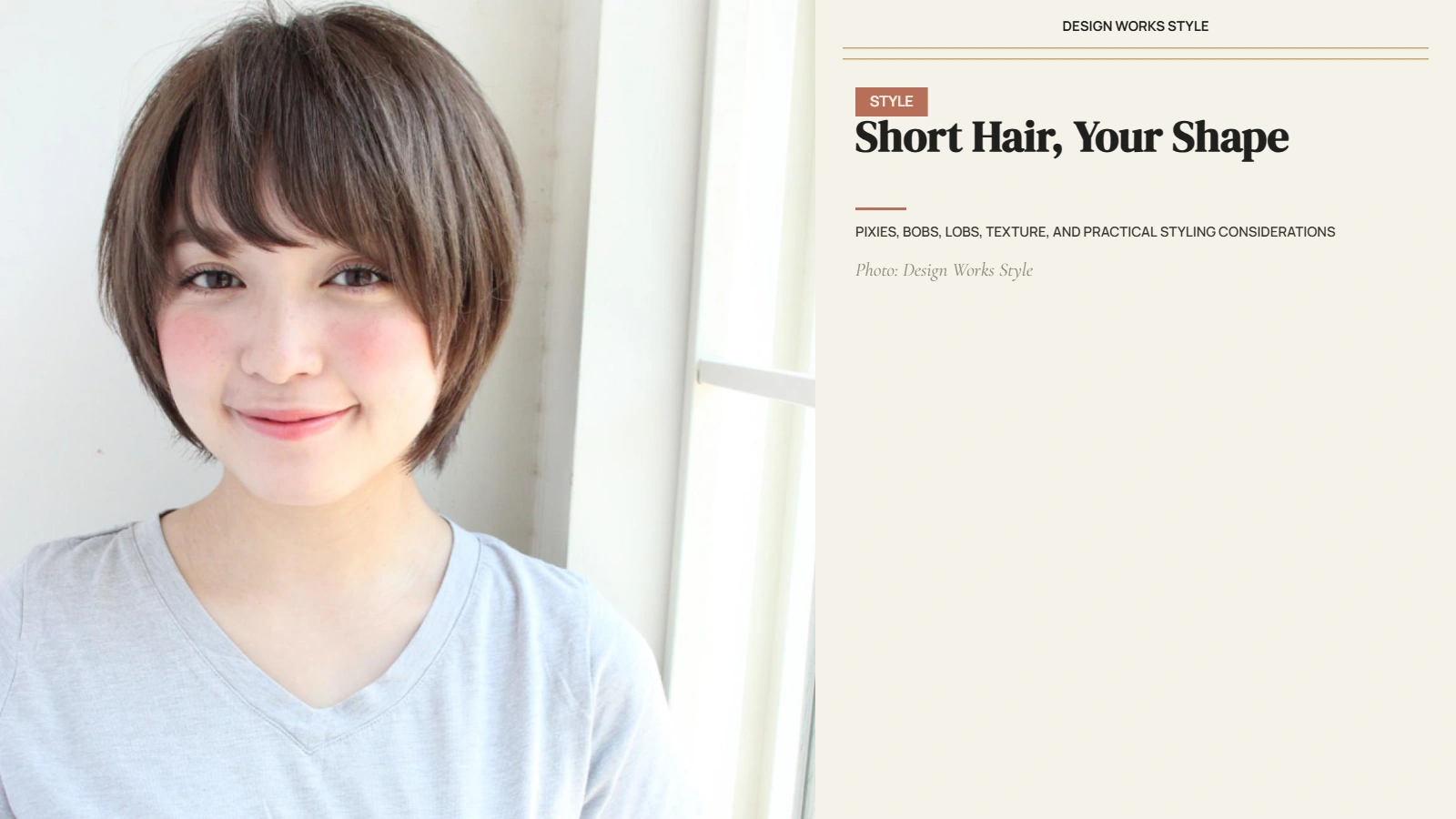
Textured bobs use movement, waves, layers, or piece-y styling to create a less rigid finish.
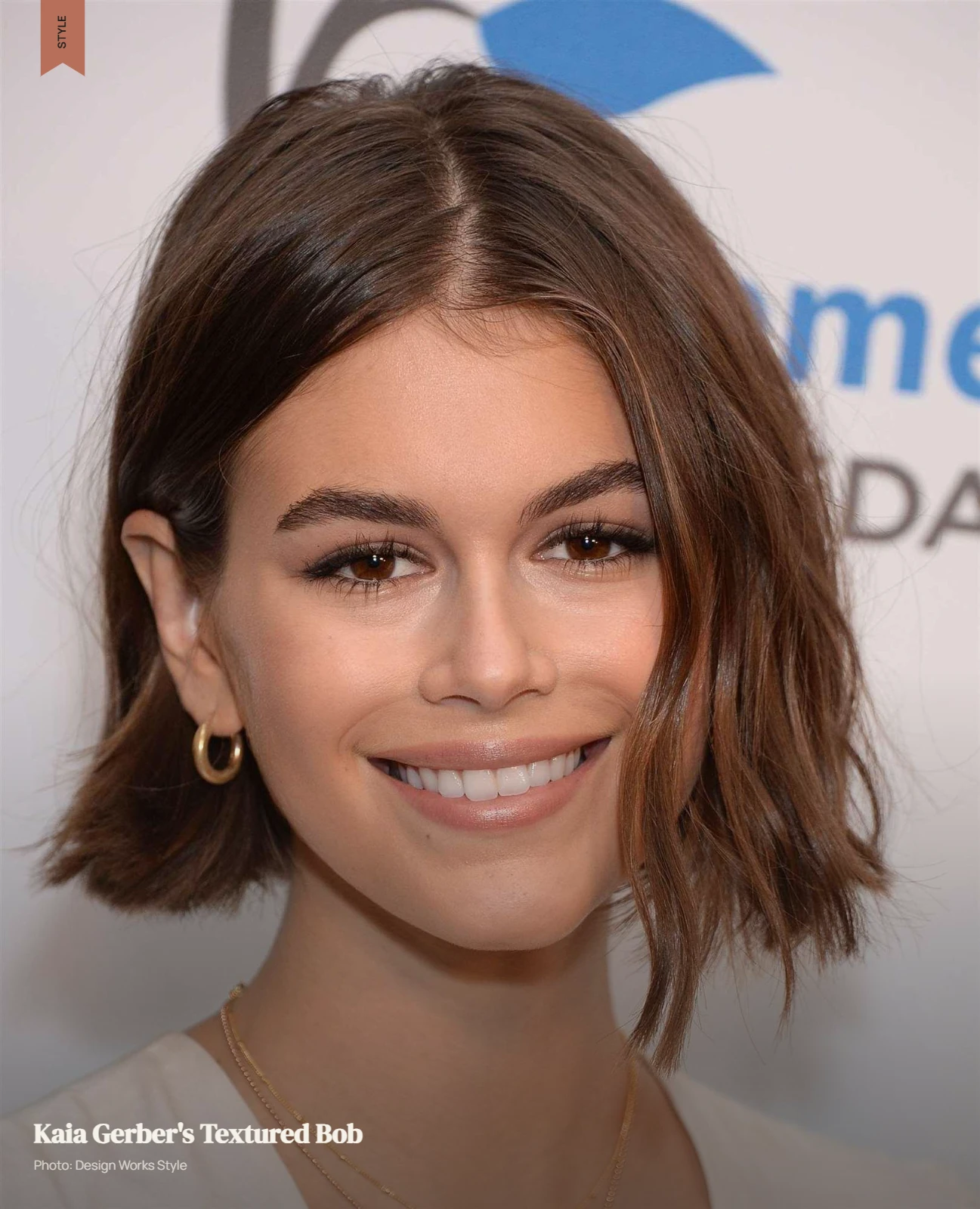
Kaia Gerber has worn several versions of short, textured bob styles, making her looks useful examples of how a relatively simple bob can become more relaxed through texture and movement.
When examining a textured celebrity bob, try to determine what comes from the haircut and what comes from styling.
Layers may create some of the movement, while curling, waving, or texturizing products may create the rest.
If your hair is naturally straight, reproducing a photograph with loose waves may require regular heat styling. If your hair already has natural movement, the same haircut may behave quite differently.
Celebrity Pixie Cuts
Pixies prove how much small structural changes matter. Sides, back, top, fringe, direction. Tweak one and it’s a different haircut.
Study the sides, back, top length, fringe shape, and direction. That’s the whole haircut right there. the styling.
Classic Pixies
Classic pixie: short sides and back, length on top.
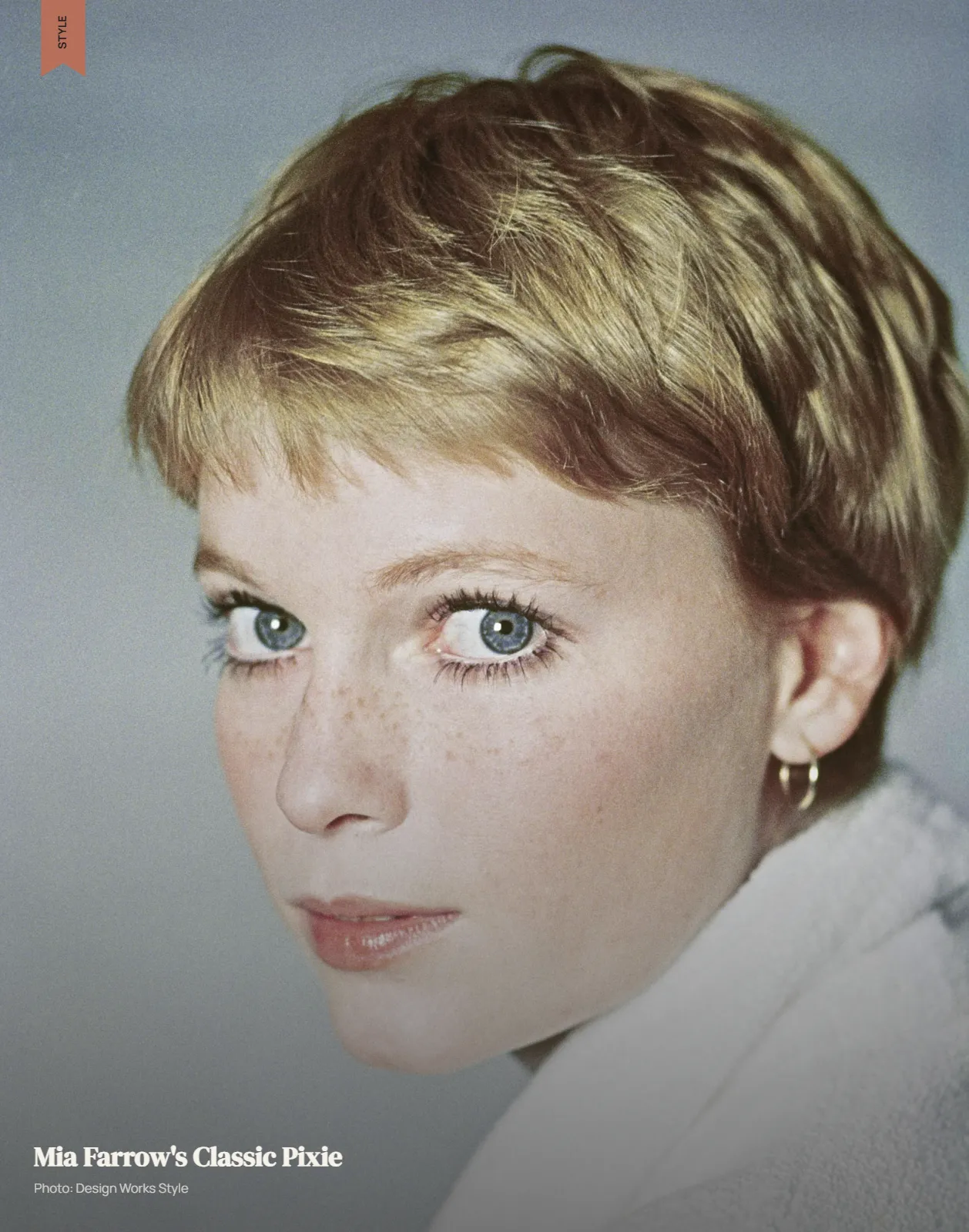
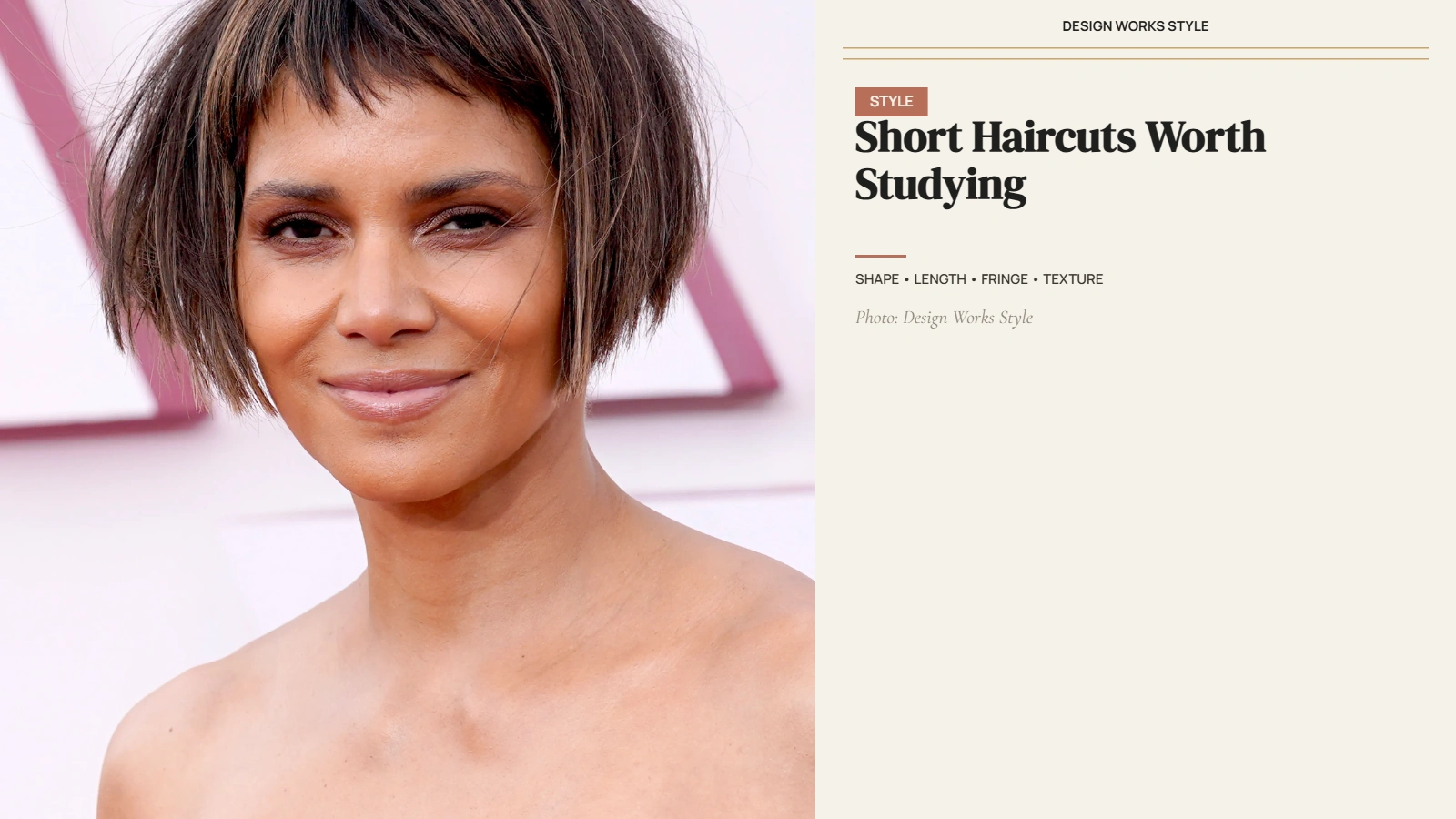
Mia Farrow’s iconic short crop is an enduring example of how a very short shape can create a distinctly different silhouette from a bob. Halle Berry has also worn numerous short pixie-inspired cuts with varying amounts of length and texture.
Very short means less flexibility between washes. The exact length and placement matter enormously, so be precise with your stylist.r matter.
Love a cropped reference? Ask exactly how short the sides and back need to be, and how it’ll grow out.w much length could remain on top.
Long Pixies
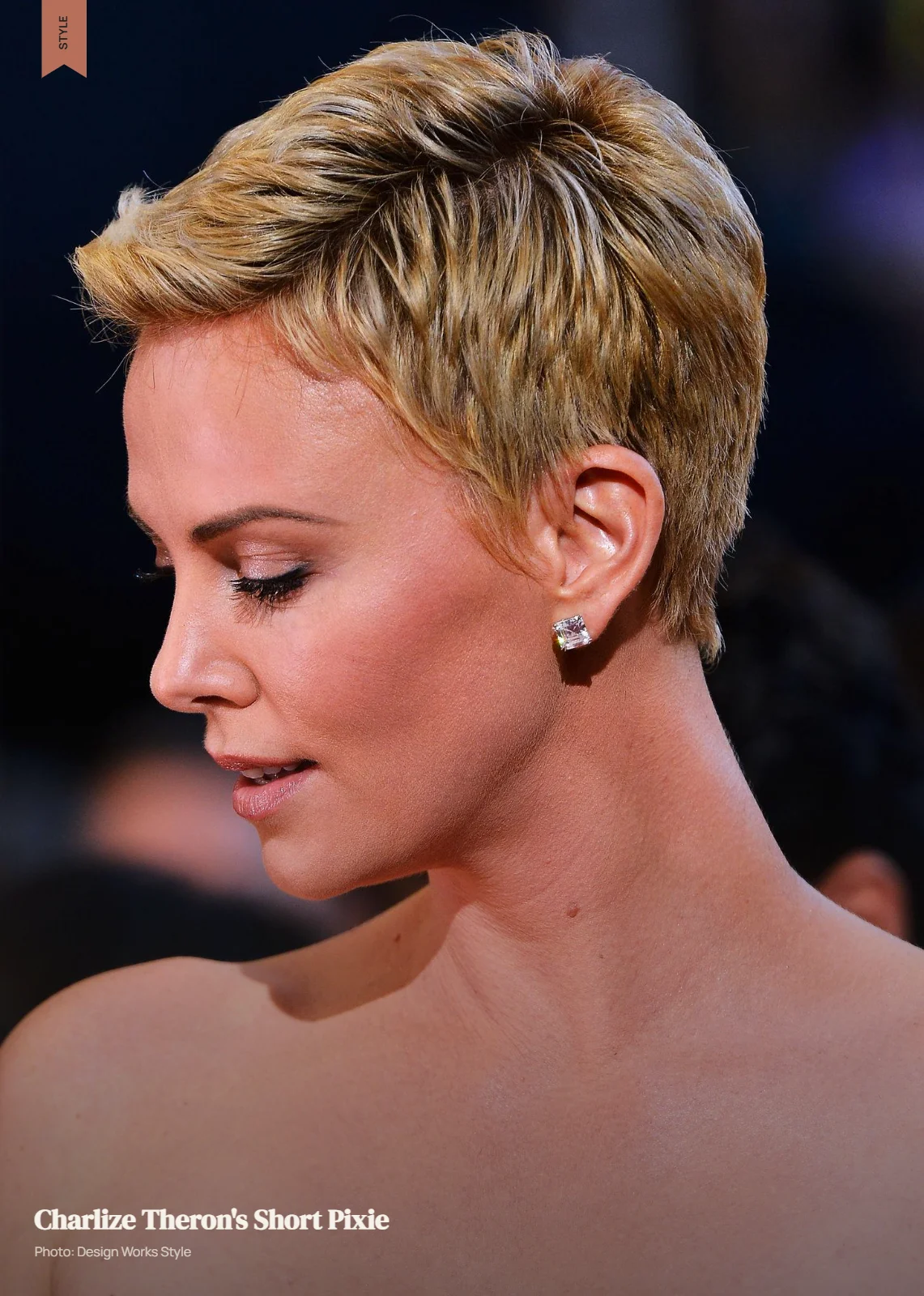
A long pixie keeps length on top or in the fringe. More styling options, softer grow-out.ible because it can be swept sideways, pushed forward, lifted, or styled with texture.
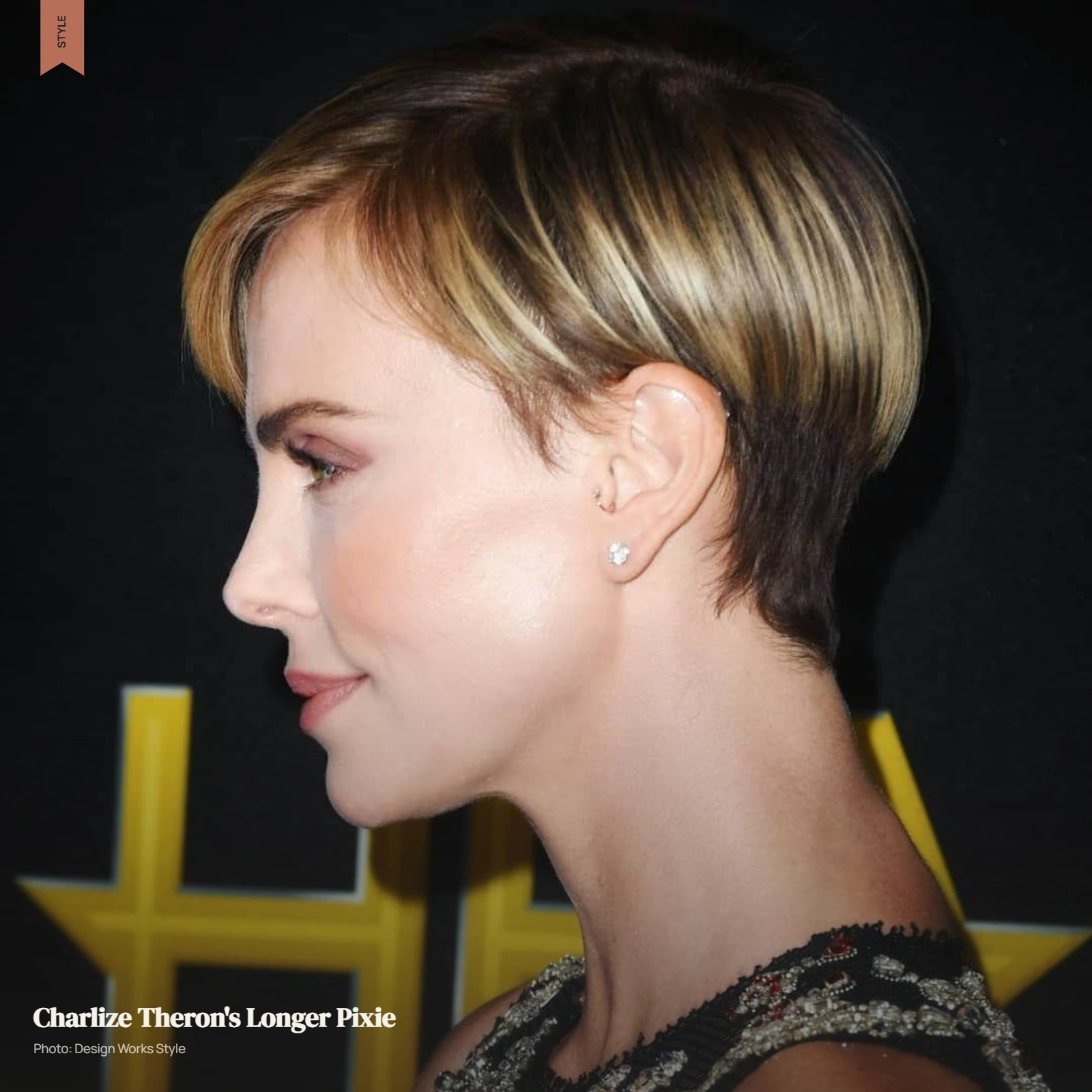
Charlize Theron has worn short cuts with different amounts of length and movement, providing useful examples of how styling can change the appearance of a cropped haircut.
“Long pixie” means different things. Pinpoint where the extra length sits: top, fringe, sides?
ral different shapes.What to tell your stylist:
“I want a cropped shape around the sides and back, but I want enough length on top to move the fringe and change the styling.”
Textured Pixies
Textured pixies run on choppy layers, separated pieces, and directional volume.
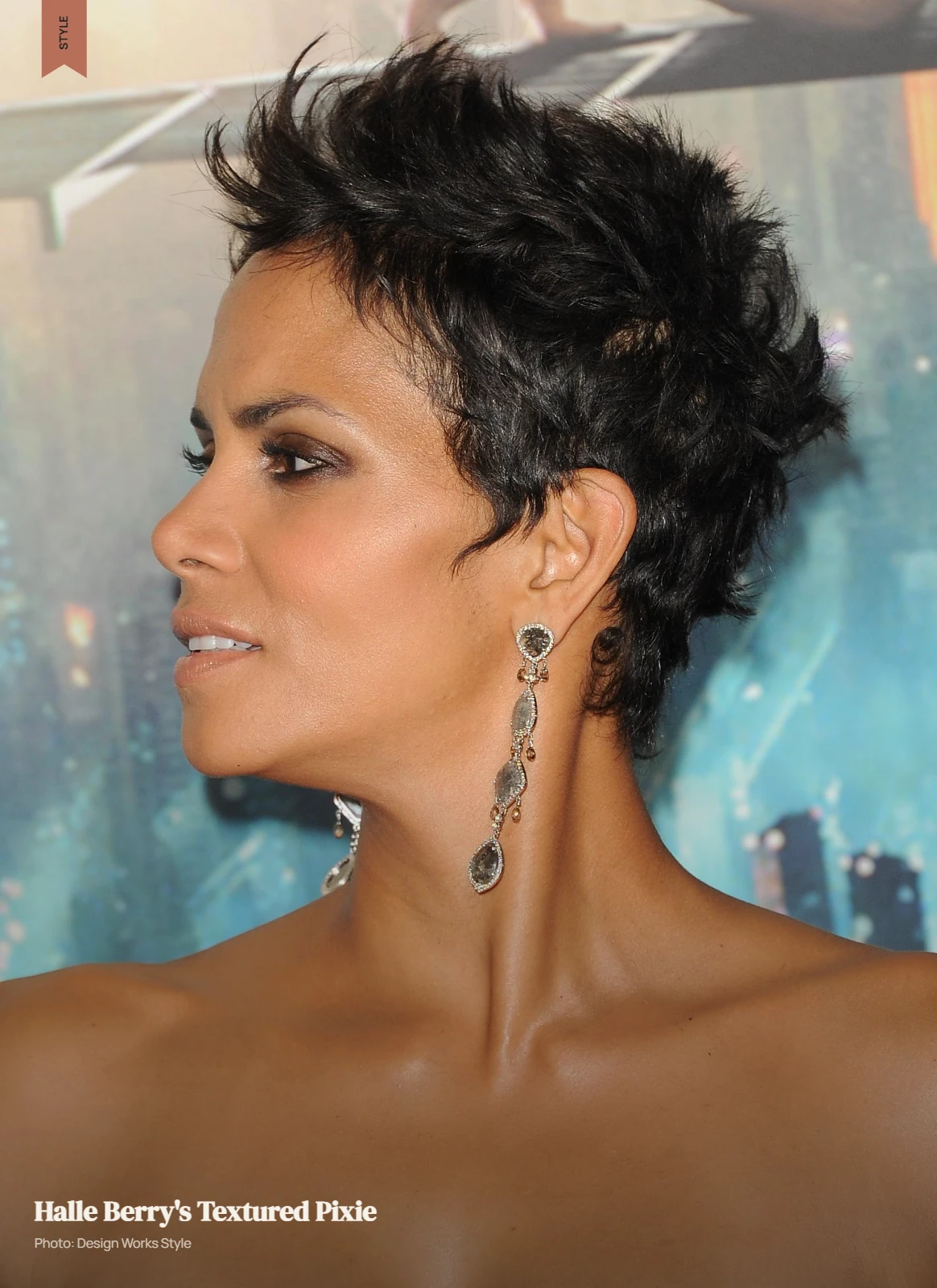
Some texture is cut in. A lot comes from product. The photo won’t tell you the ratio.ance.
Those perfectly piece-y photos? Probably product. Ask what the cut looks like without it.uct. Ask what kind of styling would be required to create the same finish.
Celebrity Lob and Shoulder-Length Cuts
Not ready for a real chop? A lob (long bob) sits at the shoulders or collarbone. Short hair energy without the commitment.er reference point.
Length varies, but the idea is consistent: long enough to tie back, short enough to feel fresh.e between a blunt lob and a layered lob can be substantial.
Celebrity lobs usually feature:
- Collarbone-length ends
- Shoulder-grazing shapes
- Blunt or softly layered perimeters
- Loose waves
- Center parts
- Side parts
- Sleek finishes
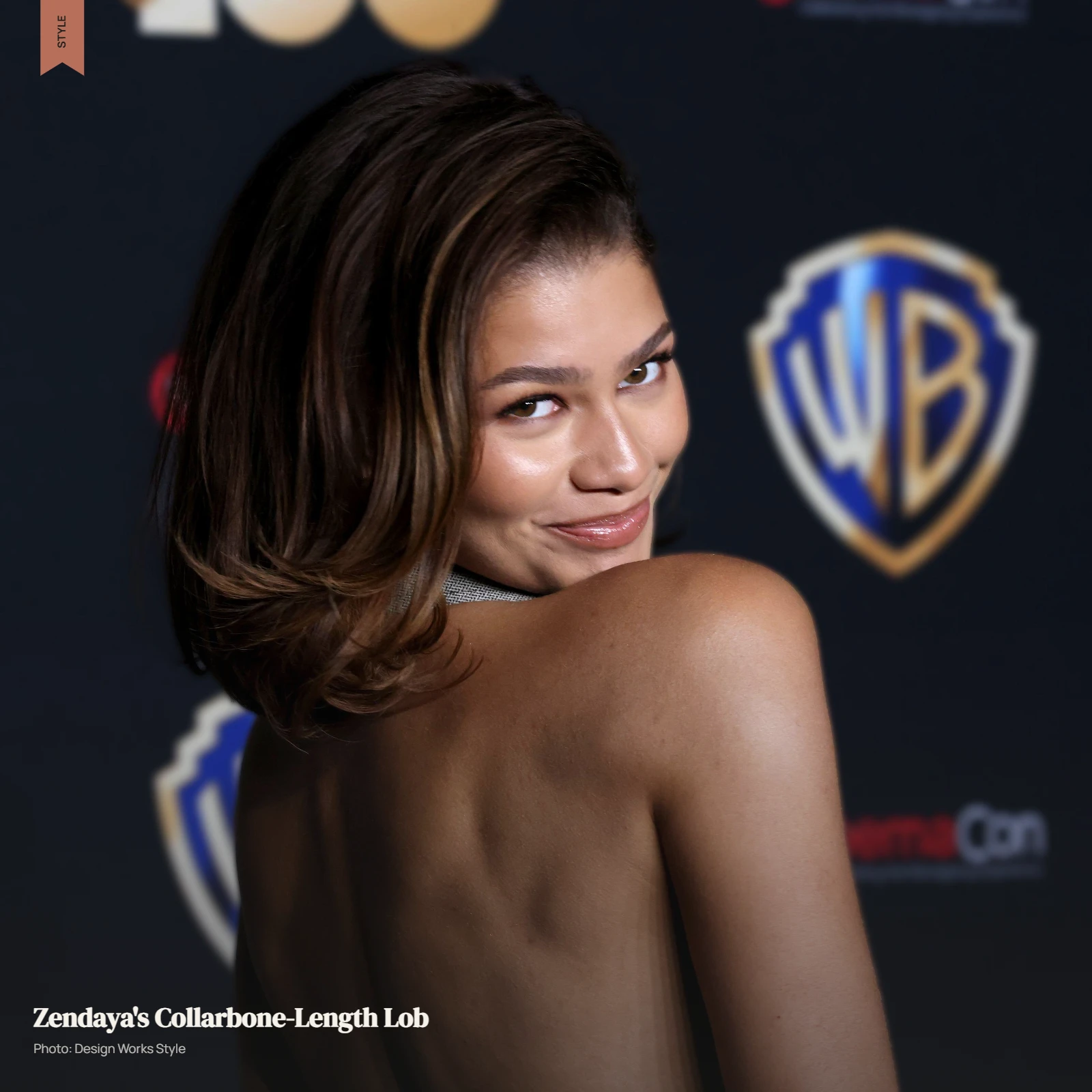
Zendaya and Taylor Swift, among many others, have worn shoulder-length and bob-adjacent looks in different styles, illustrating how much the same general length can change through parting and texture.
Decide where you want the ends first. Then choose: solid perimeter or textured? Center part or side?
rimeter, layers, waves, or a combination.What to tell your stylist:
“I like this collarbone-length shape. I want to keep enough length to tie my hair back, but I would like to discuss whether the ends should be blunt or layered.”
Celebrity Short Haircuts With Bangs
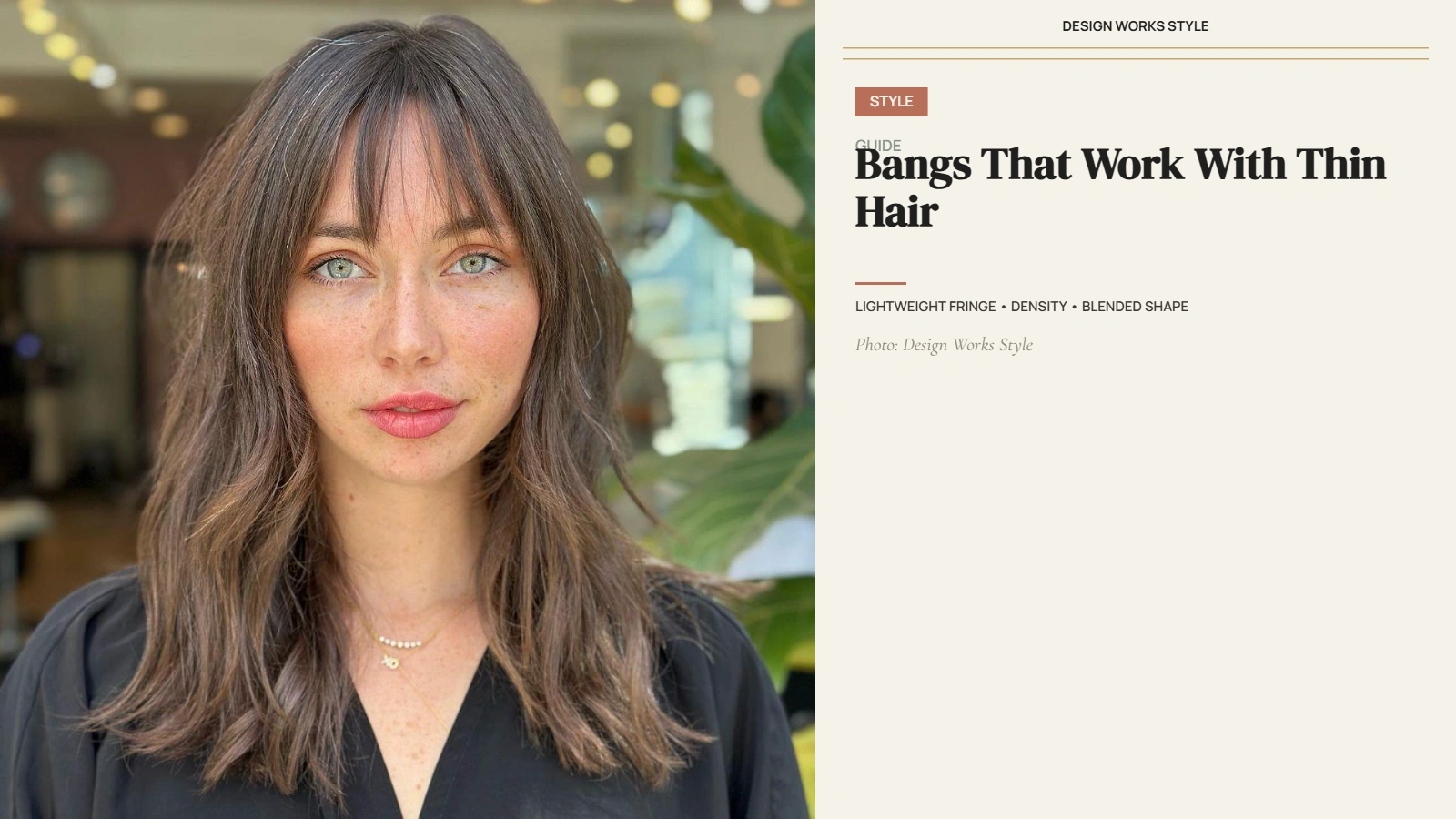
Bangs change everything without touching the length. The highest-impact, lowest-commitment move.
Fringe types you’ll see:
- Blunt fringe
- Curtain-style bangs
- Side-swept bangs
- Textured fringe
- Longer fringe with short sides or back
Blunt fringe: strong horizontal line. Side-swept: directional movement. Longer curtain fringe: softness. Each changes the face differently.ge can make a pixie or short bob feel more flexible because it can be moved or restyled.
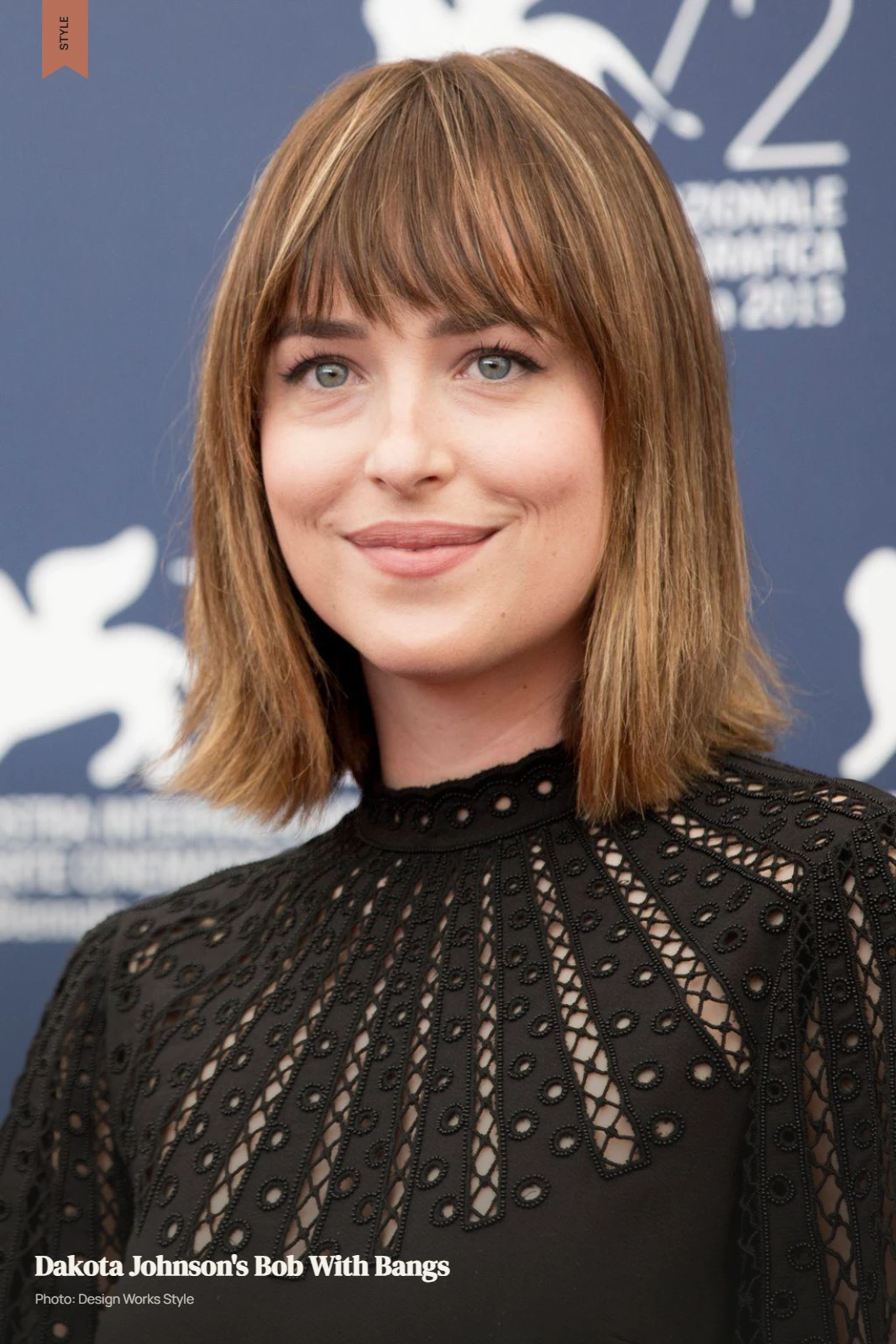
Study the fringe: where it starts, how wide it is, how much hair it uses. These details decide whether it works on you.ded.
Their fringe won’t behave like yours unless your density, texture, and hairline match. Adjust expectations accordingly.pe, and natural growth patterns can all affect the result.
If you have fine or thin hair and are considering bangs, see our guide to Bangs for Thin Hair for more specific guidance.
Celebrity Short Haircuts With Texture
Texture can make the same basic haircut look almost like a different style.
A short bob, for example, can appear:
- Sleek
- Tousled
- Wavy
- Curly
- Piece-y
- Naturally textured
This matters because a celebrity photograph usually captures one particular styled moment.
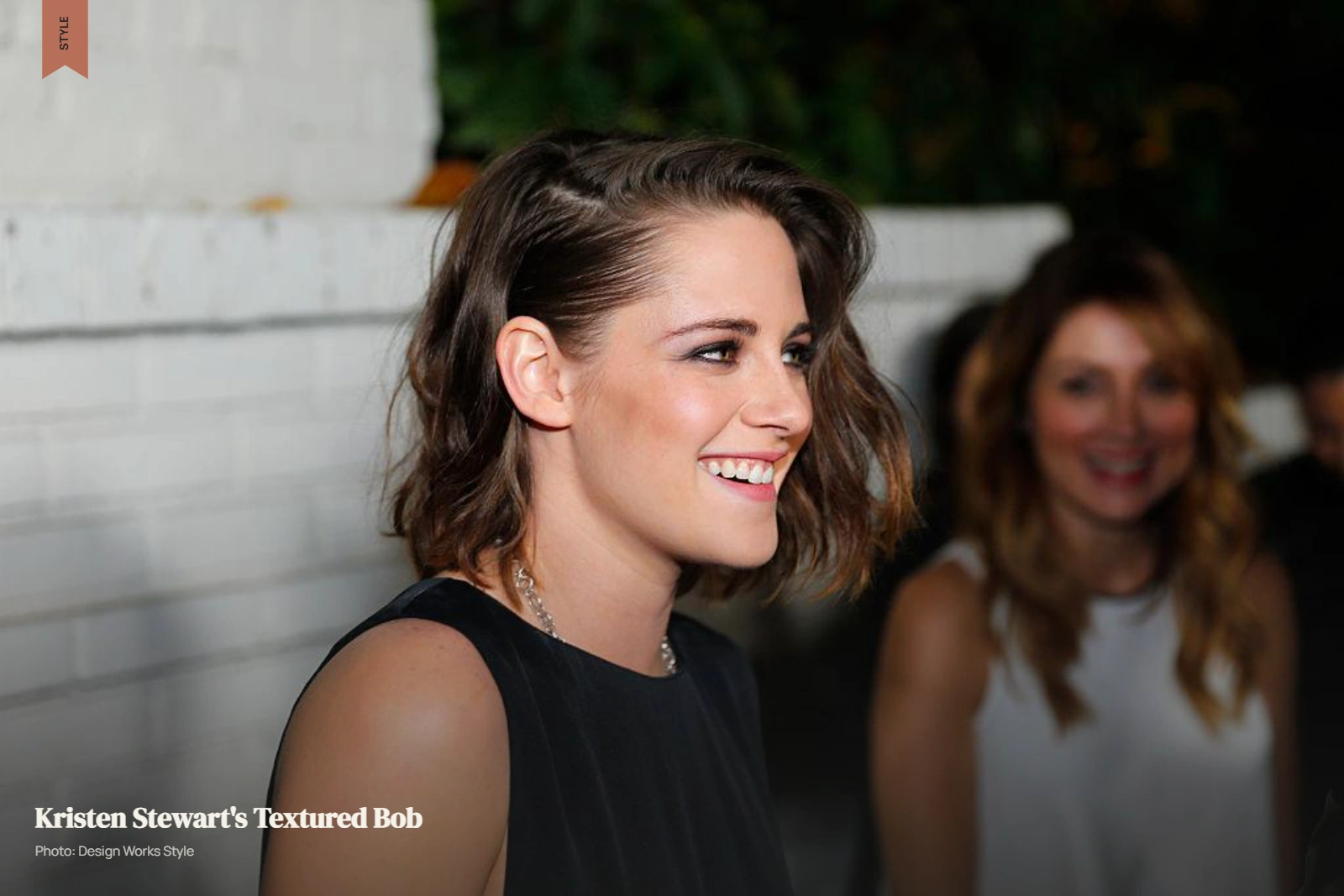
A sleek bob may have been blow-dried and flat-ironed. A piece-y pixie may rely on styling paste or wax. Loose waves may have been created with a curling iron or another styling tool.
The haircut itself may still be relatively simple underneath all that styling.
When saving a reference photo, ask yourself: If this hair were washed and left to dry naturally, what parts of the look would remain?
That question can help you identify the haircut rather than accidentally asking your stylist to recreate a temporary styling finish.
How to Adapt a Celebrity Haircut to Your Hair
A celebrity photo is a starting point, not a promise. Here’s how to translate it to your head.
Compare their hair to yours.
Hair texture
Same cut, different textures, different results. A sleek straight bob on them might be a wavy bob on you. That’s fine, but know it going in.
Likewise, fine versus thick hair changes how layers and volume behave.
, a layered pixie may show more or less movement depending on your natural texture.Hair density
They might have twice your hair or half. Adjust the plan accordingly.
affect how full the perimeter looks, how layers sit, and how much volume the finished haircut has.Face shape
Face shape is a factor, not a rule.
If you are comparing different cuts, you can use our Haircuts for Face Shapes guide to understand how face shape fits into the wider haircut decision.
Hairline and growth pattern
Check your growth patterns. Cowlicks, natural parts, and hairline shape affect fringe placement and how the cut sits. Your stylist will spot these.
Styling time
Ask what it takes. Does the reference need daily heat? Weekly trims? Specific products? A photo that looks effortless might take forty minutes.
- Blow-drying
- Flat-ironing
- Curling
- Rollers
- Styling products
- Frequent reshaping
Maintenance
Think about week six. How will this grow out? Short, defined cuts need reshaping every few weeks. Factor that in before you commit.
angled bob may need more frequent appointments to maintain its original silhouette.What to Ask Your Stylist
Don’t say “I want her haircut.” Describe the parts you want:
ke.“I like this length and shape. Keep this much around the front, but adapt the layers for my texture. And I need it to work with my cowlick.”
ers and texture to my hair.”
- Overall length
- Shortest point
- Fringe
- Layers
- Perimeter
- Texture
- Volume
- Styling routine
- Maintenance
Specifics beat names every time.
Use your reference photos strategically
Bring clear photos from multiple angles. If you have several references, point to the specific detail you’re borrowing from each.
- Front view
- Side view
- Back view
- Natural styling
- Styled version
Celebrity Haircut vs. Celebrity Hairstyle
Haircut versus hairstyle: the distinction matters more with celebrity photos than anywhere else.
Haircut
The haircut is the structure. It survives the wash.
- Length
- Layers
- Perimeter
- Fringe
- Shape
Hairstyle
The hairstyle is the arrangement. It washes out.
- Waves
- Curls
- Blowout
- Sleek finish
- Side part
- Up styling
- Product-created texture
Same celebrity, same haircut, two photos, completely different looks. One was sleeked, one was waved. You’re looking at styling, not scissors.
eek blowout and the other shows textured waves.It also connects naturally with our broader Short Hairstyles guide if you are more interested in styling ideas than choosing the underlying cut.
Common Mistakes When Copying a Celebrity Haircut
Celebrity references work, but these mistakes kill them:
Choosing based only on the celebrity’s appearance
Wanting the whole thing. You might love the shape but not the fringe. Borrow the parts you want.
Ignoring hair texture
Ignoring texture differences. A cut built for straight hair behaves differently on waves or curls. Account for your texture.
re will affect the silhouette.Ignoring density
Forgetting density. Their hair amount versus yours changes how layers and perimeters read.
nds how your density differs from the reference.Assuming the photograph is low-maintenance
Trusting the styling. Pro styling transforms a cut. Ask what it looks like on a normal morning.
Bringing only one highly styled image
One angle only. A single front photo hides the sides, back, and natural texture. Bring more.
Copying the styling instead of the haircut
Confusing finish with structure. Love the waves? Figure out if they’re cut in or styled in.
rary styling.Overlooking the back and sides
Ignoring the back. Photos favor the front, but the sides and back decide the silhouette.
all shape.Assuming professional styling is required
Not asking about grow-out. How will this look in six weeks? When’s the next trim?
ll look like with your normal routine.Forgetting grow-out
are likely to need a reshaping appointment.Find More Short Hairstyle Ideas
Celebrities are one source. Don’t limit yourself.
If you want to compare short-hair ideas without limiting yourself to celebrity examples, explore our Short Hairstyles guide for broader inspiration.
The best reference isn’t the most dramatic photo. It’s the one that shows the cut clearly enough to discuss.
understand the actual haircut.Length. Silhouette. Cut versus styling. Then talk through how it translates to your hair. That’s how celebrity inspiration becomes a good haircut.
uld be adapted to your texture, density, hairline, routine, and maintenance preferences.Frequently Asked Questions
How do I use a celebrity haircut as inspiration?
Pick celebrities with your hair texture and density, not just a face shape you like. A pixie that looks effortless on thick hair behaves very differently on fine hair.
Will a celebrity bob work on my hair type?
It depends on your texture. Bring the photo and ask your stylist what needs to change for your hair. They may adjust the length, the layering, or the styling method.
What is the biggest mistake when copying a celebrity cut?
Ignoring the styling behind it. Most red-carpet cuts involve professional styling, so ask what your morning routine will actually look like before you commit.
Should I show my stylist one photo or several?
Several. Photos of what you like from different angles, plus one showing what you do not want, give the clearest brief.