

How to Build a Work Wardrobe on a Budget
A work wardrobe on a budget starts with ten to twelve pieces that mix into many outfits: two pairs of trousers, four tops, one blazer, and one pair of shoes that goes with all of it. Buy neutral colors first, add one accent color, and stop when every new piece works with at least three pieces you already own.
What Should a Work Wardrobe Contain First?
A first work wardrobe should contain pieces that cover a full work week without repeats that anyone notices: dark trousers, a second pair in a lighter neutral, tops in white, black, and one color, a blazer, and shoes that suit both trousers and skirts.
Start with the bottoms, since they anchor every outfit. One pair of dark navy or charcoal trousers and one pair of black trousers cover most offices, and both pair with almost any top. If your office allows skirts, a knee length pencil skirt in black gives a third bottom option without a third trouser.
Tops come next. Four tops are enough to start: white, black, one soft neutral like cream or grey, and one color you like wearing. Blouses with a simple shape last longer than tops with fussy details, since details date fast and limit what the top pairs with.
Add one blazer in the same neutral family as the trousers. A navy blazer over a white top and black trousers looks put together, and the same blazer over a colored top changes the outfit enough to count as a different look. One blazer, worn three ways, beats three jackets that each match one outfit.
Shoes finish the base. One pair of closed toe shoes in black or dark brown, with a heel height you can walk in all day, works with every bottom in the base set. Buy comfort first, since shoes that hurt get left in the closet, and a wardrobe piece you never wear costs the same as one you wear daily.
How Do You Pick Pieces That Mix?
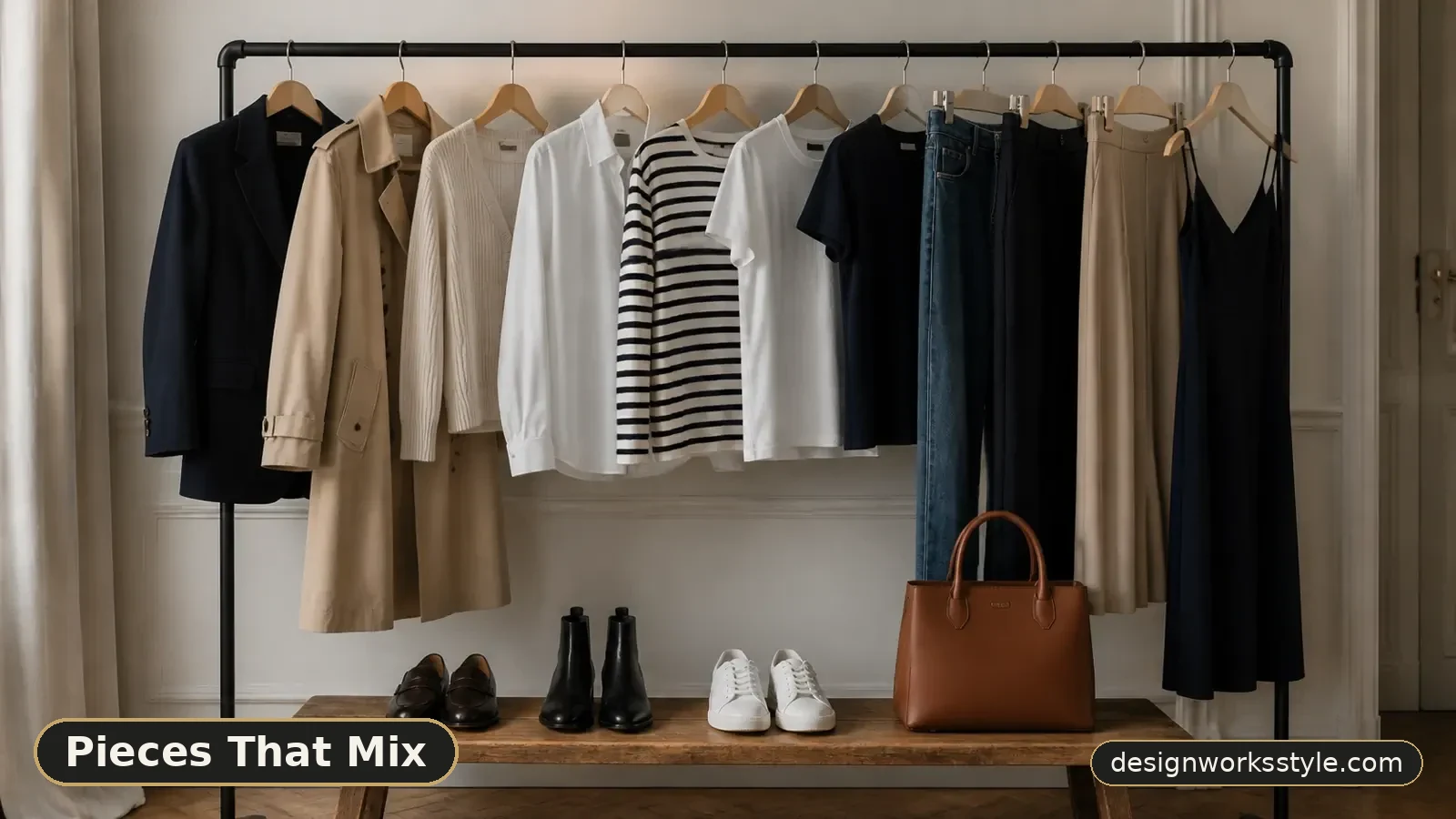
Pieces mix when they share a color family, a similar level of formality, and fabrics that sit well together. A formal blazer over casual cotton trousers looks mismatched, while the same blazer over wool blend trousers looks like a suit.
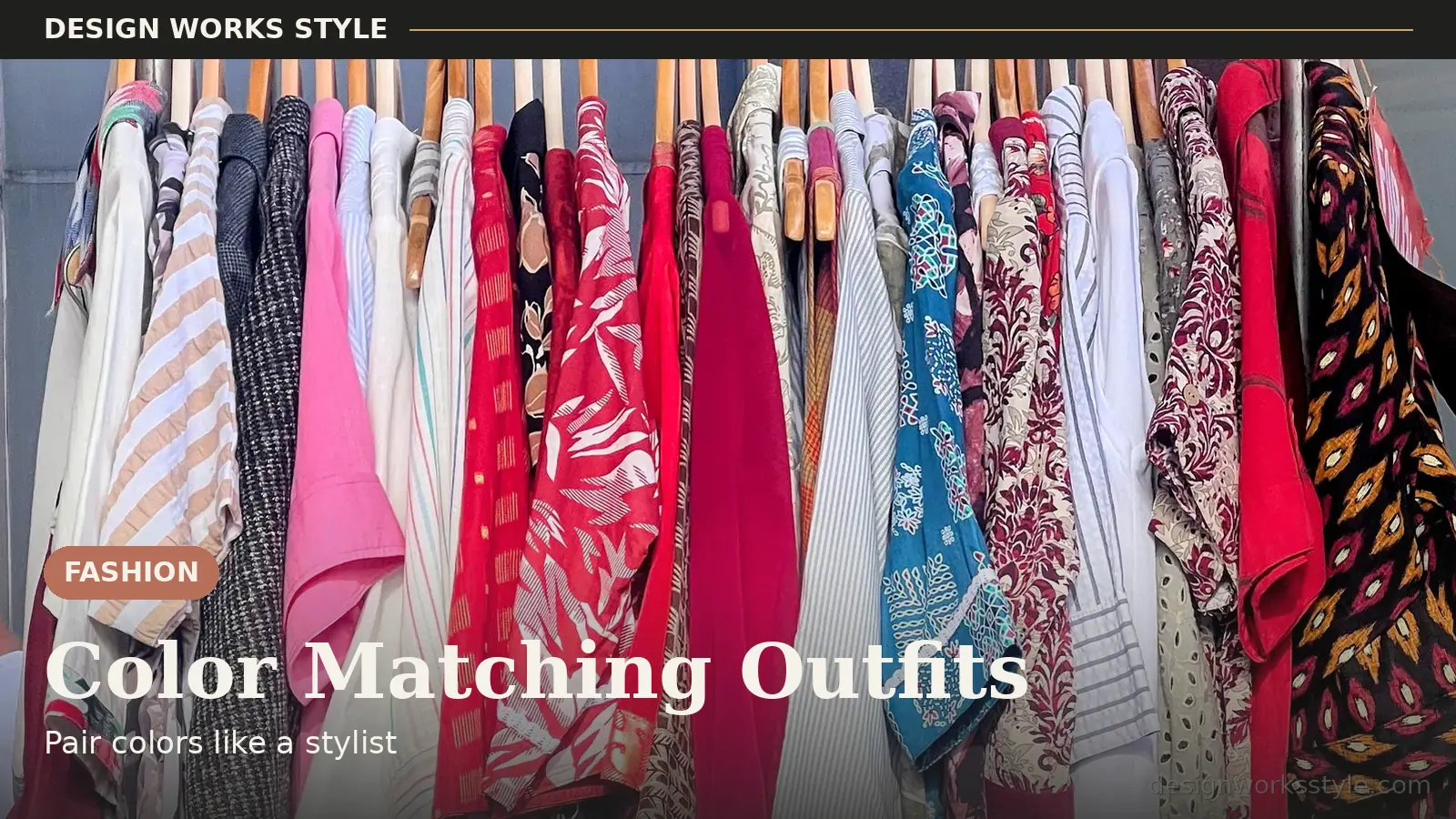
Pick two neutrals and one accent color, and hold to them while building the base. Navy, black, and white form one easy set, and a muted red, teal, or mustard works as the accent. Every new piece should match both neutrals, so it pairs with everything already in the closet.
Check formality before buying. A silk blouse pairs with tailored trousers and a blazer, but it looks out of place with jeans style work trousers. A cotton shirt pairs with more bottoms, but it wrinkles faster, which matters if you sit at a desk all day. Match the fabric to the job the piece has to do.
Try the mix test in the shop or at home: hold the new piece against three pieces you already own and picture full outfits. If you can only picture one outfit, the piece is a single use buy, and single use buys are what blow a budget. A piece that makes three outfits earns its price three times over.
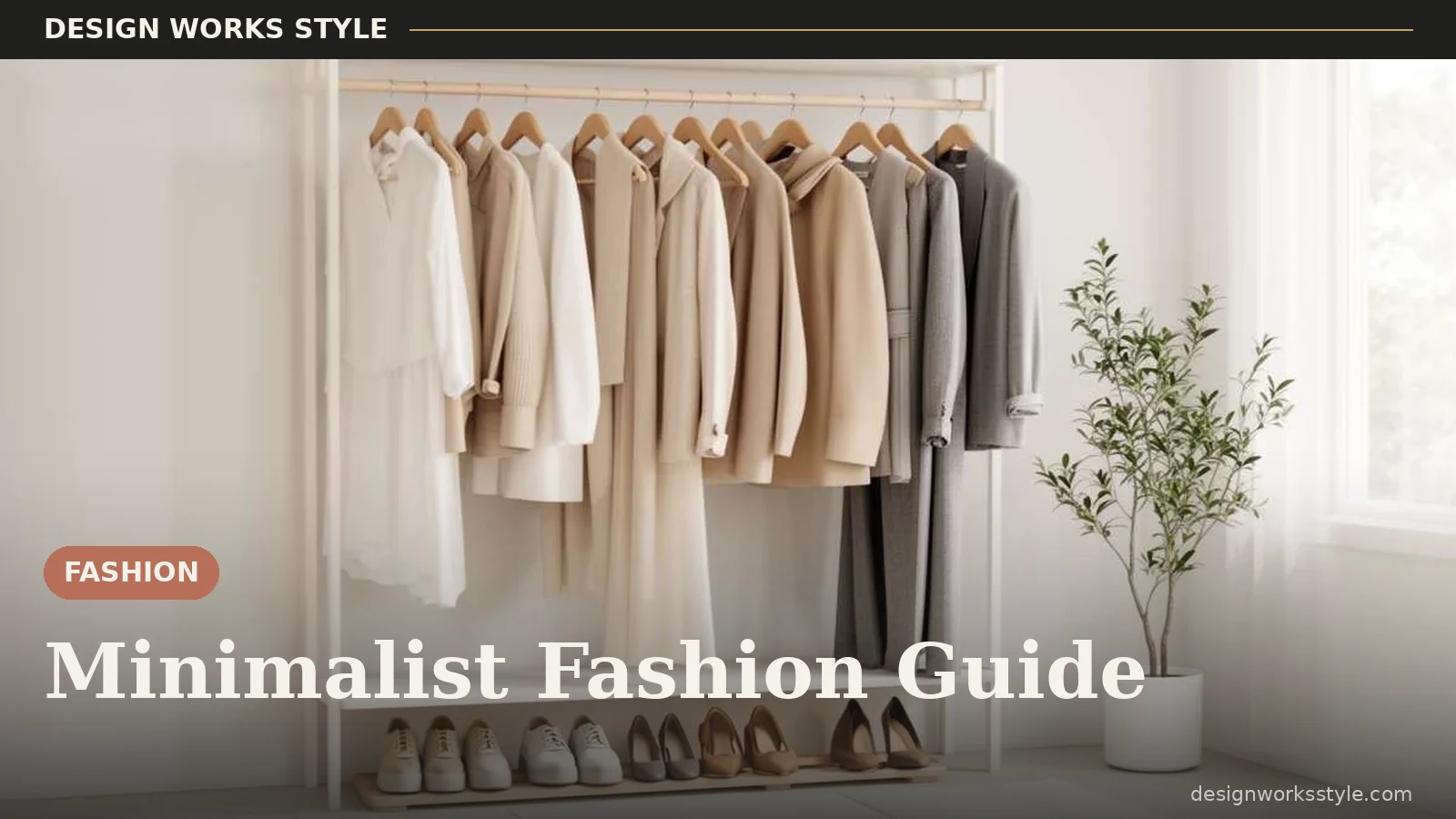
A small set of pieces that mix well is the whole idea behind a capsule wardrobe, and capsule wardrobe guide thinking, with fewer pieces chosen to work together, keeps a work wardrobe from turning into a pile of clothes that never quite match.
Where Should the Money Go?
Money should go first to the pieces you wear most often and that show wear fastest: trousers, shoes, and the blazer. Tops wear out slower, since each one gets worn once a week, while trousers and shoes take daily wear.
Spend more on trousers that fit well and hold their shape. Cheap trousers bag at the knees and fade after a few washes, and faded trousers drag down every top worn with them. A pair that keeps its color and crease for a year costs less per wear than two pairs that give up in three months.
Spend more on shoes for the same reason. Shoes carry your weight all day, and cheap soles wear through fast. A well made pair, resoled when needed, lasts years, while a cheap pair replaced twice a year costs more in the end and hurts more in between.
Save on tops, scarves, and simple jewelry. These pieces change the look of an outfit for little money, and they wear out slower because they rotate. A new top in an accent color refreshes three old outfits, which is the cheapest way to make a small wardrobe look larger.
The same spend-first logic runs through most budget fashion advice, and fashion on a budget habits, like buying fewer, better pieces and shopping sales for basics, keep the total spend down without leaving the wardrobe thin.
How Do You Shop Without Overspending?

Shopping without overspending starts with a list, a budget number, and a rule: buy only what is on the list, and only if it mixes with three pieces at home. A list stops impulse buys, and the mix rule stops single use buys.
Write the list before you shop, and rank it. Put the missing base pieces first, then the accent pieces, then the extras. If the budget runs out halfway down the list, the base is covered and the extras wait, which is the right order to run out of money in.
Set a budget per piece as well as a total. A total budget of $200 sounds firm until one $120 blazer eats most of it and leaves nothing for trousers. Per piece limits force a choice between one expensive piece and two useful ones, and that choice is usually obvious once the numbers are written down.
Shop sales for basics and full price only for pieces you cannot find on sale. Basics like white shirts, black trousers, and simple blazers go on sale often, and waiting a month for a sale on a basic saves real money. A piece you need this week for a new job is different, and paying full price for that one piece is fine.
Try everything on, and sit down in it. Trousers that fit standing up can pull at the waist when seated, and a blouse that gaps at the buttons when you sit will gap at your desk all day. A piece that fails the sit test goes back, no matter how good the price was.
How Do You Keep It Looking Sharp?
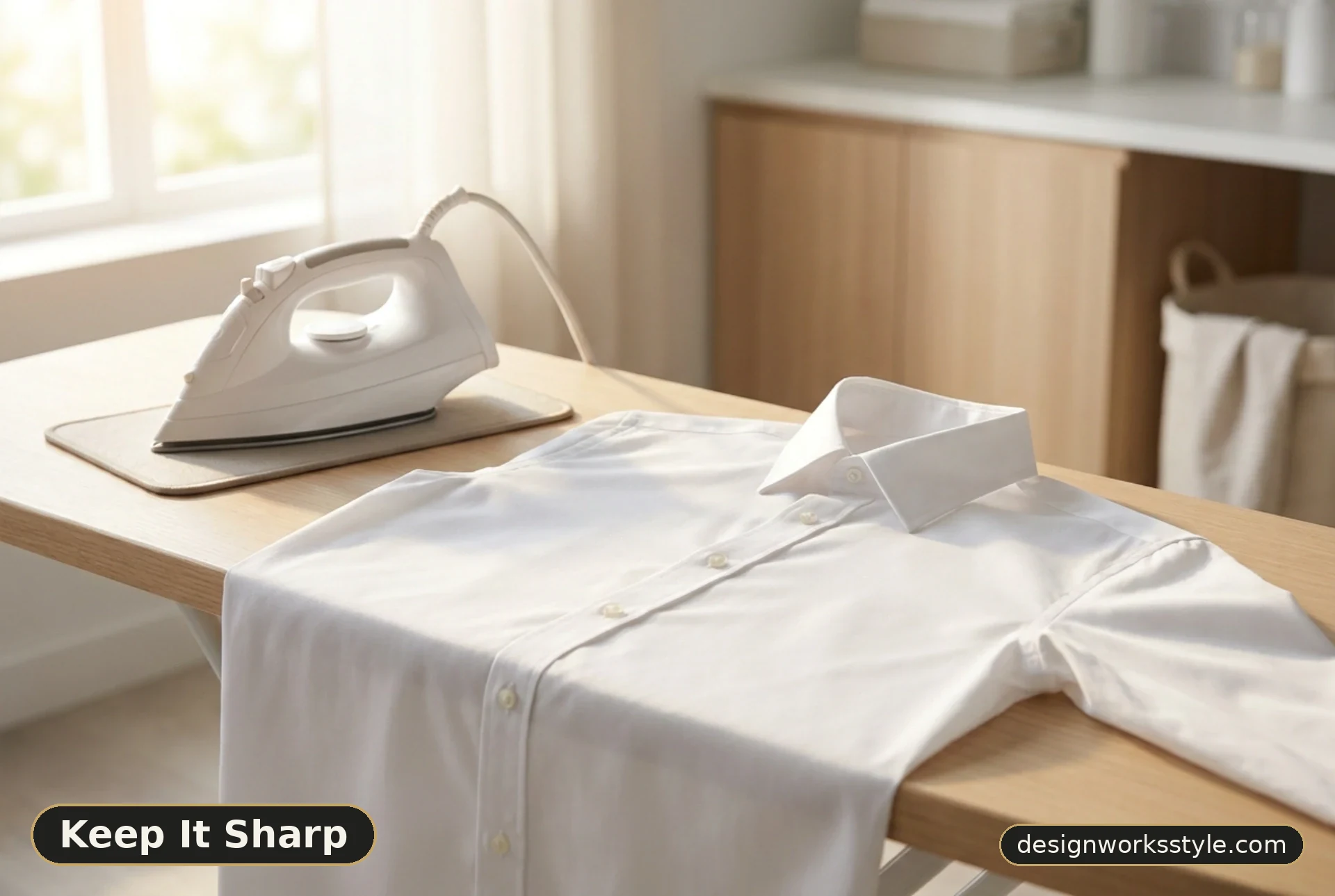
A small wardrobe stays sharp when it is clean, pressed, and repaired on time, since every piece gets worn often and wear shows fast. A weekly laundry routine, a steamer or iron, and a mending kit do more for a budget wardrobe than new purchases.
Wash work clothes on a gentle cycle and hang them to dry where possible. Dryers fade dark colors and shrink cotton, and faded black trousers are the first thing that makes a wardrobe look cheap. Wash darks together, inside out, in cold water, and they keep their color for months longer.
Steam or iron the night before, not in the morning rush. A wrinkled shirt at 8 a.m. stays wrinkled, since there is no time to fix it, while a shirt pressed the night before starts the day right. Hang the next day outfit together, top to shoes, so the morning choice is already made.
Fix small damage at once. A loose button, a dropped hem, or a scuffed shoe heel takes ten minutes to fix and weeks to notice if left. Small damage left alone turns into a piece you stop wearing, and a piece you stop wearing is money wasted.
Rotate the wardrobe so no piece wears two days in a row. Rest days let fabric recover its shape, and rotation spreads wear across the set. A piece worn daily wears out in months, while the same piece worn weekly lasts a year or more.
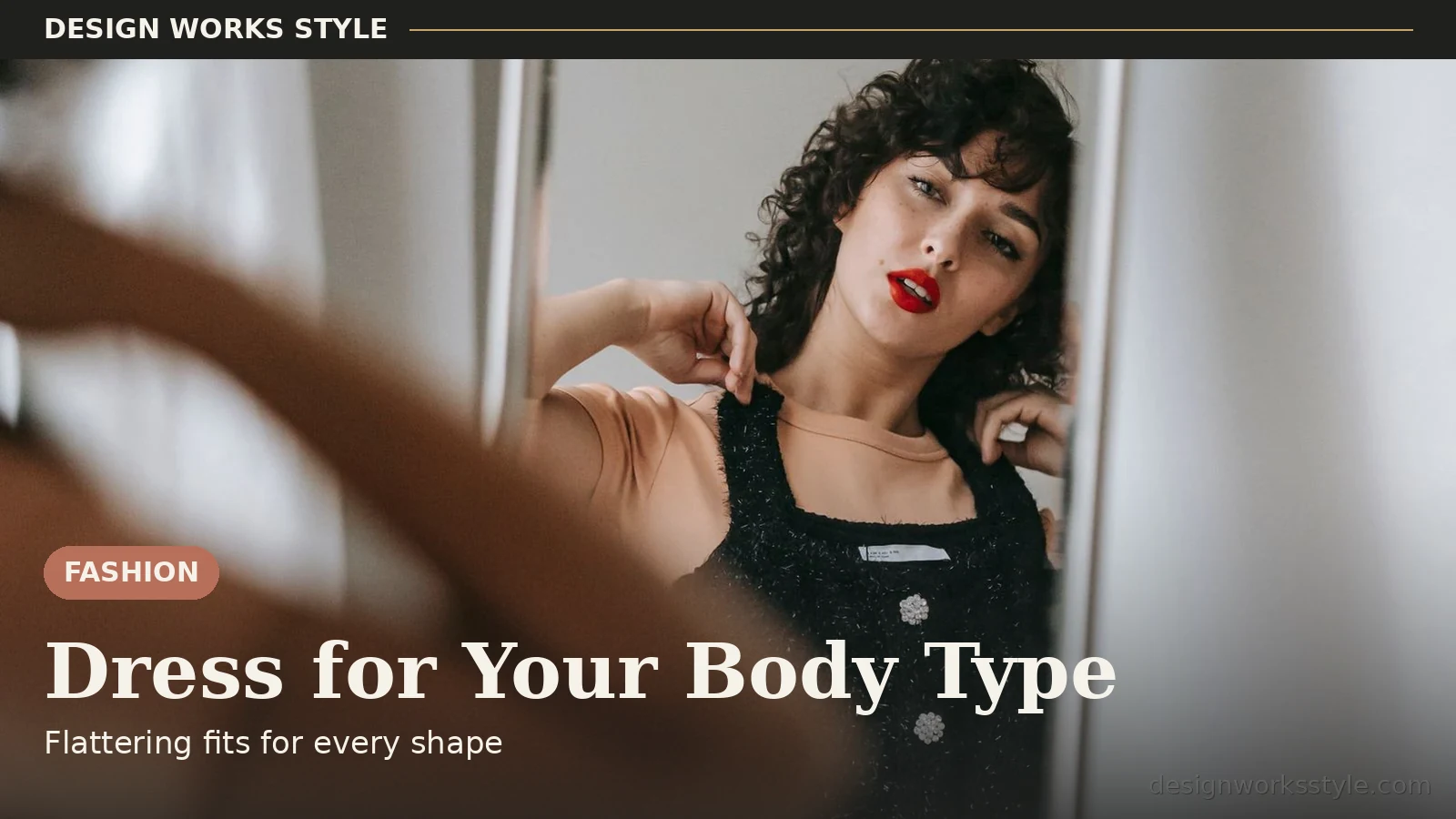
Fit matters as much as fabric, since a well fitting cheap piece looks better than an expensive piece that pulls or sags. Tailoring a blazer or taking in trousers costs less than replacing them, and dress for your body type guidance, with cuts that suit your shape, helps pick pieces that fit right from the start.
What Mistakes Waste a Work Wardrobe Budget?
The mistakes that waste a work wardrobe budget are buying single use pieces, buying cheap versions of daily wear items, and buying for a job you do not have. Each one leaves clothes in the closet and money gone. All three are easy to avoid once you spot them.
Single use pieces are the biggest waste. A top that only matches one skirt, a jacket that only works with one dress, and shoes in a color that matches nothing all sit unworn while the base pieces wear out. The mix test catches these before purchase, if you use it every time.
Buying the cheapest version of a daily piece wastes money in a slower way. Cheap trousers and shoes wear out fast, and replacing them twice costs more than buying well once. Cheap is fine for a piece worn once a month, and a false saving for a piece worn three times a week.
Buying for a different office wastes money too. A formal suit set bought for a casual office, or casual clothes bought for a formal office, never fits the daily dress code. Check what colleagues actually wear for a week before buying, and match that level, not the level in a magazine.
Buying everything at once wastes money as well. A wardrobe built in one shopping trip misses the chance to learn what actually gets worn, and half the pieces usually go unworn. Build the base first, wear it for a month, then buy the next pieces based on what the base lacks.
Color mistakes waste money quietly. A bright top that clashes with both neutrals in the set never leaves the closet, while a muted accent color pairs with both. When in doubt, pick the quieter color, since it mixes with more of the wardrobe.
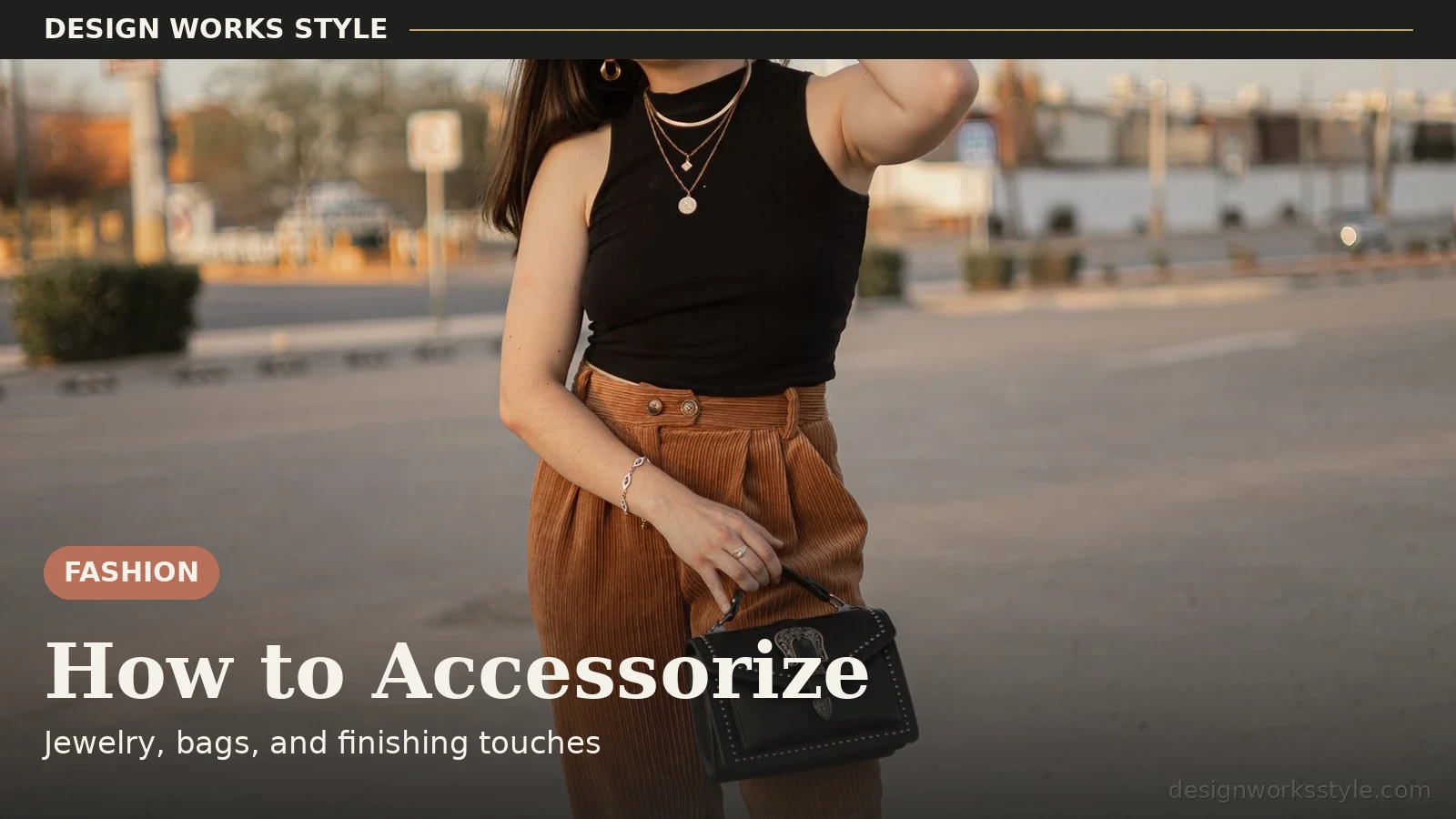
Accessories can rescue a small wardrobe or waste money on it, depending on how they are chosen. One scarf, one belt, and one simple necklace change several outfits, while a drawer of trendy jewelry changes none, and how to accessorize with a few pieces that suit the outfit beats a collection that competes with it.
Frequently Asked Questions
How many pieces do I need for a work wardrobe?
Ten to twelve pieces cover a full work week when they mix well: two bottoms, four tops, one blazer, one pair of shoes, and a few accessories. More pieces help only if each new piece mixes with at least three existing pieces. A larger wardrobe of pieces that do not mix covers fewer outfits than a small one that does.
What colors work best for a budget work wardrobe?
Navy, black, charcoal, white, and grey work best, since they mix with each other and with almost any accent color. Pick two neutrals as the base and one accent color for tops and accessories. Bright colors work as accents, but as base colors they limit every outfit they join.
Should I buy everything at once or build slowly?
Build slowly. Buy the base first, wear it for a month, and note what is missing before buying more. Building slowly shows which pieces actually get worn and which gaps matter, while buying everything at once usually leaves half the wardrobe unworn.
Can a budget wardrobe look professional?
Yes, when the pieces fit well, mix well, and stay clean and pressed. Professional looks come from fit, color coordination, and condition, not from price tags. A well fitting, well kept budget outfit reads as professional, while an expensive outfit that fits badly or looks worn does not.