
Holiday Hairstyles That Hold Up All Evening
The holiday hairstyles that last all evening share one thing: they are built on the right prep, not on extra hairspray. A low chignon, a pinned half-up style, set waves, or a sleek blowout will hold for five or six hours when the hair is prepped, pinned in layers, and sprayed in light coats.
What makes a holiday hairstyle last all evening?
A style lasts when each layer of hair is set before the next one goes on top. Root volume, a cool-down after heat, pins placed against the direction of the hair, and two or three light coats of spray each play a part. One heavy coat on the outside does little, since the hair underneath still moves.
Heat from a crowded room softens curls. Touching the hair flattens volume. Dancing and pulling a coat on and off tug at pins and loosen the shape. A style that survives all of that has grip in the hair itself, not just a hard shell on the surface.
Match the style to the evening. A dinner at home asks for less hold than a party where you will be on your feet for hours. A style that sits close to the head, such as a low bun or a pinned twist, handles movement better than a loose style that relies on curl alone.
How should you prep your hair before styling?
Prep starts the day before, with hair that has a little grip in it. Day-old hair holds a curl and a pin better than hair washed an hour before styling, because the natural oils give the strands something to hold on to. Fine or clean hair gains the same grip from dry shampoo at the roots or a light mousse.
Wash with a light shampoo and skip heavy conditioner on the lengths if you plan to curl. Heavy conditioner coats the hair and weighs a curl down before the evening starts. Put conditioner on the ends only, rinse it well, and let the hair dry fully before you pick up a hot tool.
Use a heat protectant on every section before heat touches it. Smooth it through damp hair and comb it through so it coats the strands evenly. A dryer with a nozzle, a round brush, and clips cover most holiday styles, and the hair tools you already own are usually enough. Work in sections no wider than the barrel or brush you are using.
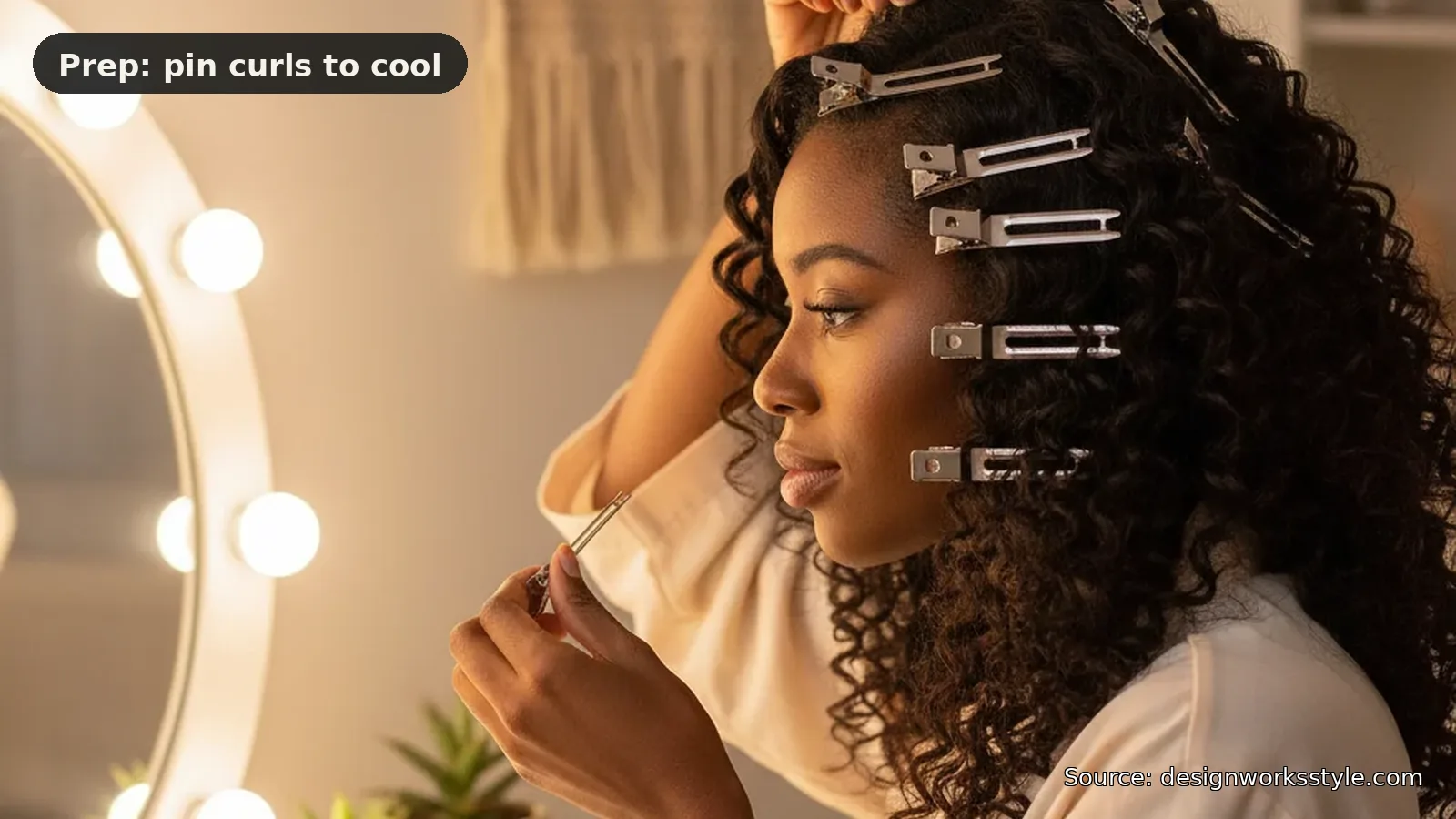
Let each section cool before you touch it. A curl that is still warm when you brush it out will drop straight. Pin hot curls up with clips and leave them till the end. Winter static in your hair shows up most on freshly washed, fine hair. A drop of hair oil on the surface after styling calms flyaways without flattening the shape.
Which holiday hairstyles hold up best?
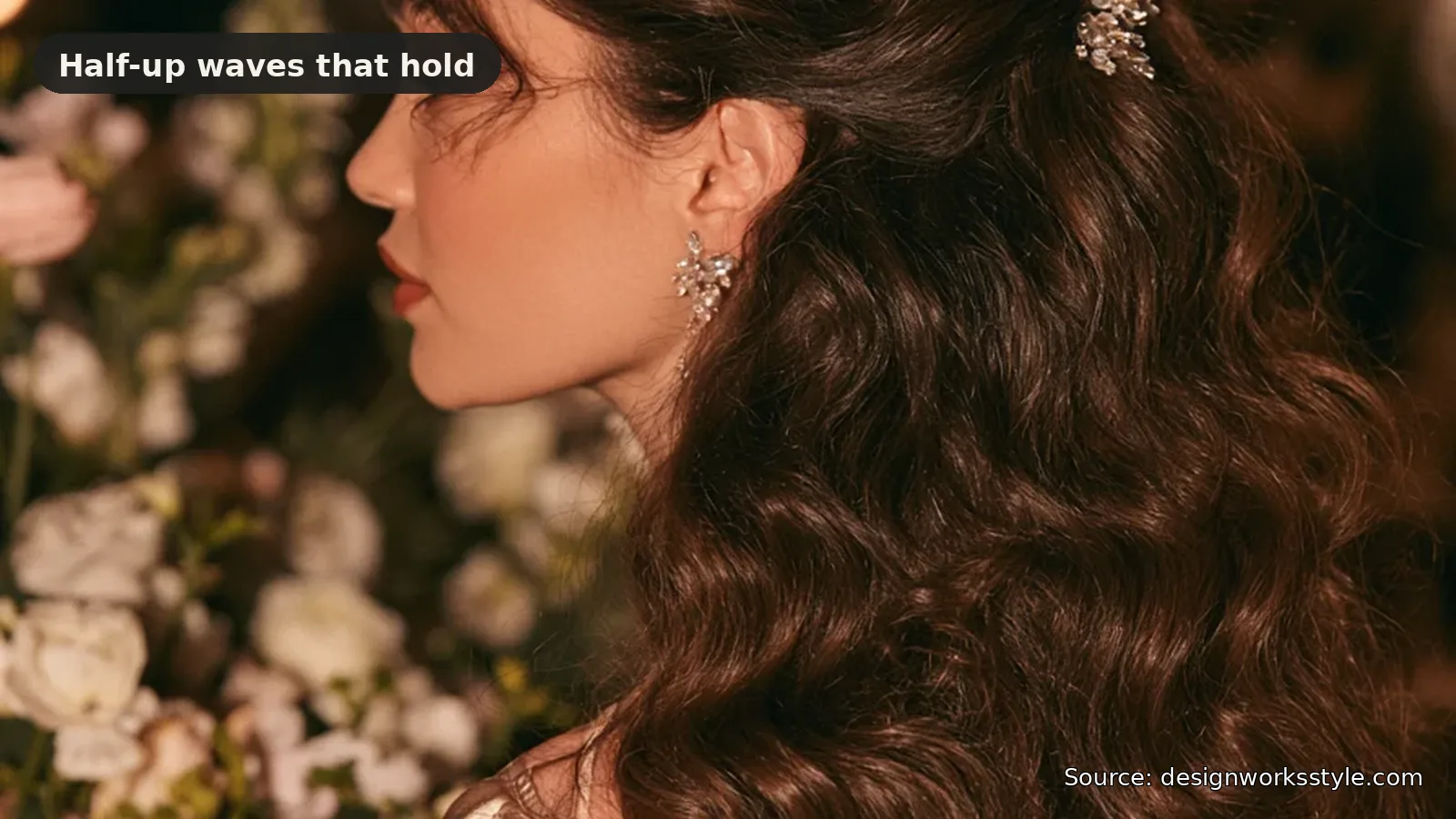
The styles that hold longest are the ones anchored close to the head. A low chignon, a half-up twist, set waves pinned at the sides, and a sleek blowout each last five or six hours with the right prep. Loose curls with no pins and no root lift fade first, usually within two hours in a warm room.
Low chignon and twisted updos
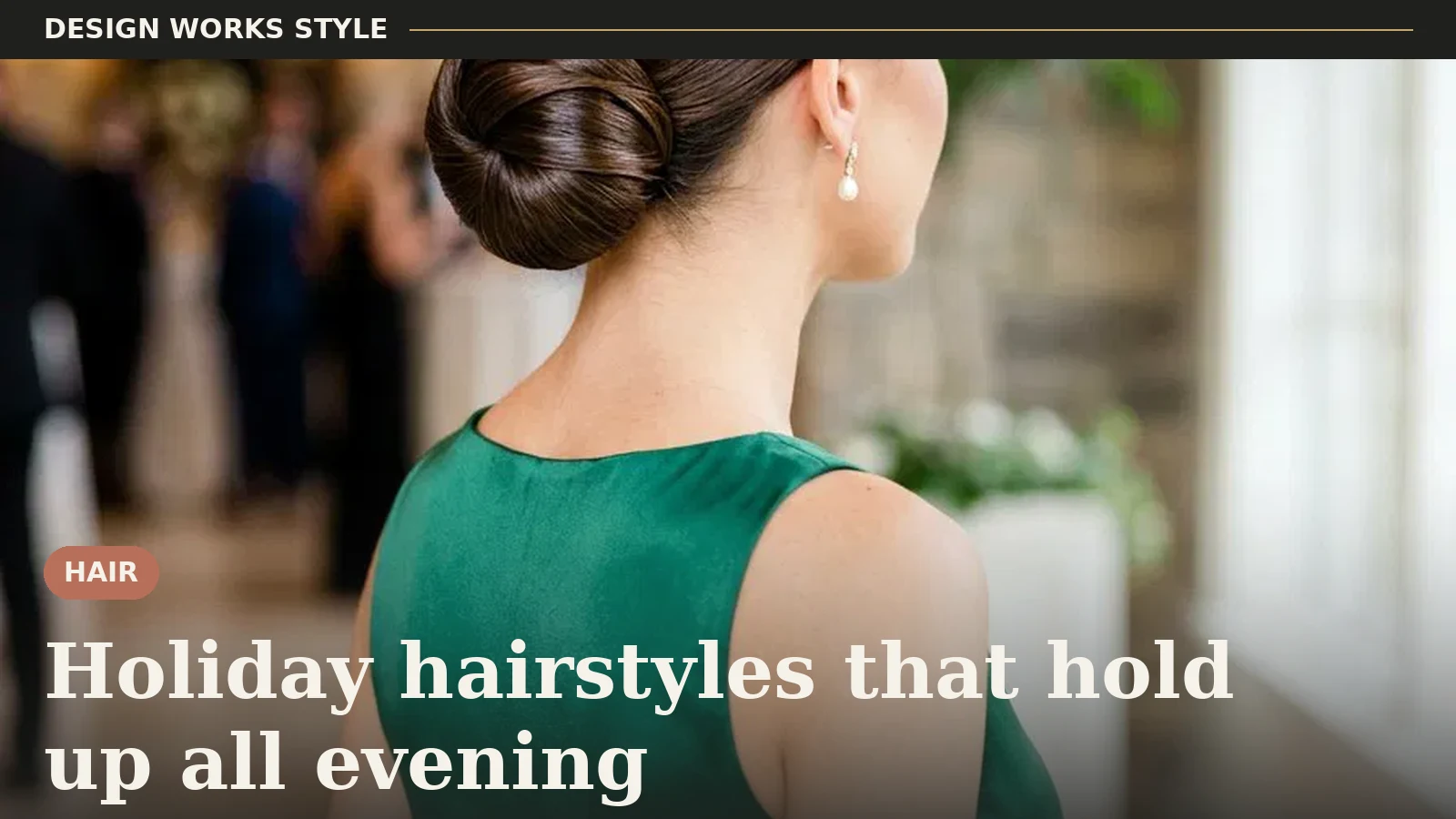
A low chignon sits at the nape, where it takes little strain from movement. Gather the hair low, twist it, and coil it into a bun. Pin the coil with U-shaped pins pushed in against the direction of the twist, and add two crossed bobby pins at the base for grip. Leave two soft pieces out at the front to frame the face.
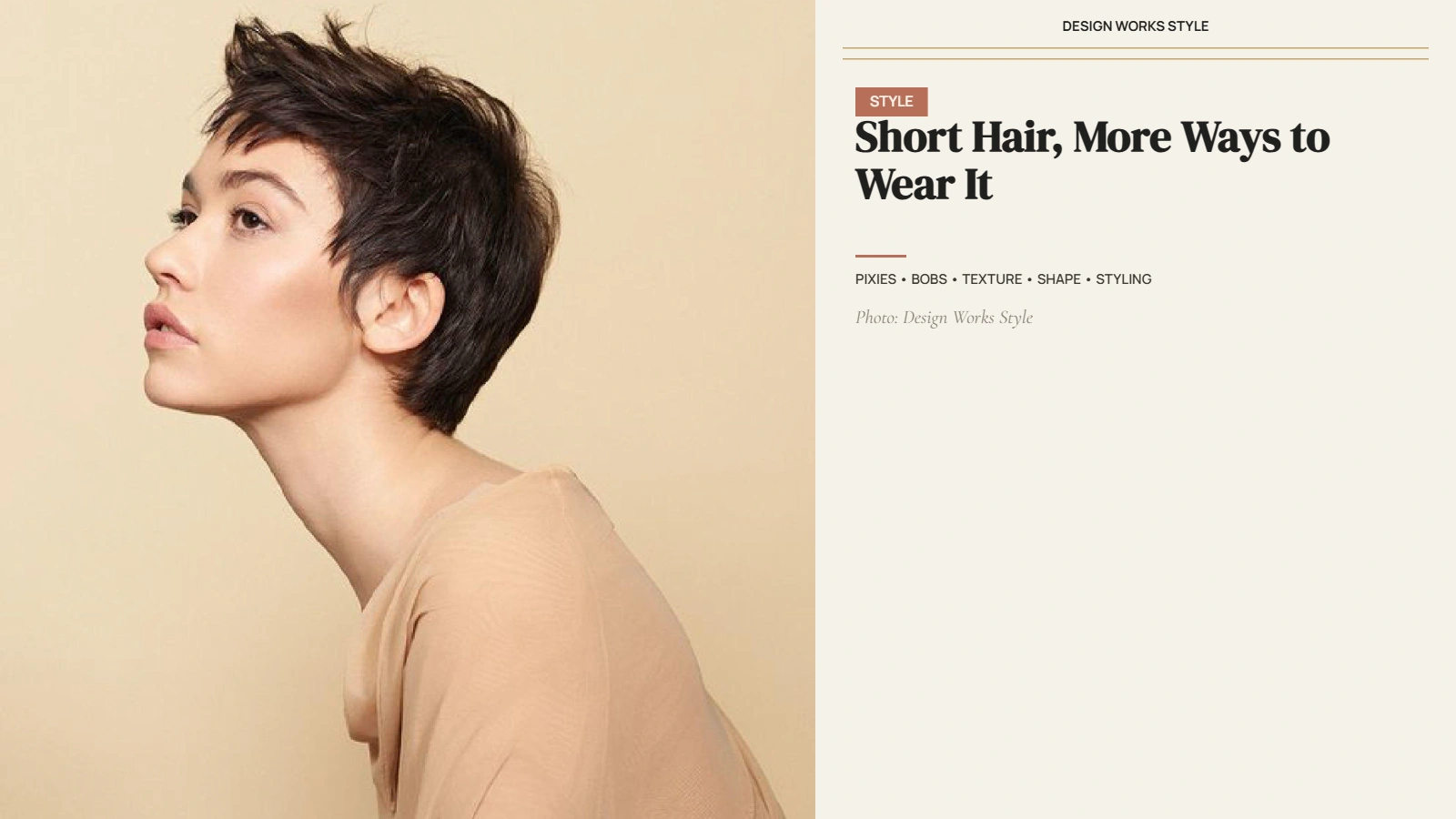
A twisted updo works the same way on shorter hair. Twist two sections from each side toward the back, cross them, and pin where they meet. Short layers that slip out tuck in with small pins placed flat against the head.
Half-up styles
A half-up style keeps length on show while the top half is pinned away from the face. Take a section from each temple, twist or braid each one, and join them at the back with a pin or a small clear elastic hidden under a twist of hair. Backcomb the crown lightly before you pin, so the top keeps its lift.
Half-up styles suit thick hair well, since the pinned top takes weight off the front and stops the style sliding forward. On fine hair, add texture spray at the crown before pinning, so the pins have something to grip.
Set waves
Set waves last longer than curls left to hang free, because the wave is cooled in its shape before the hair moves. Curl sections away from the face, pin each curl up while it cools, and brush through gently once all the pins are out. The result is a soft wave with a bend that holds.
Velcro or heated rollers set a wave with less direct heat, and the best hair rollers for your hair type give lift at the roots that a curling iron alone often misses. Leave rollers in until they are fully cool, then take them out one at a time from the bottom up. Spray each layer lightly as you go.
Sleek blowouts
A sleek blowout holds when the hair is dried smooth in sections with a round brush and finished with a flat iron on the ends only. Dry the roots first with the nozzle pointed down, then pull each section taut over the brush and dry it from root to end. Tuck the ends under for a polished finish, and cover the hair with a silk scarf on the way to the party so wind and rain do not undo the work.
How do you pin and spray a style so it stays put?
Pins hold when they grip hair against hair, not when they grip hair against the scalp alone. Slide a bobby pin in with the wavy side down, catch a small piece of the style, and push it through into the hair underneath. Cross two pins at the base of a bun, since one pin on its own turns and slips.
Place pins where the style needs support, not where they show. Pins at the base of a bun, at the join of a half-up twist, and behind the ears in a wave style carry the weight. Hide each pin under a fold of hair, and check the back in a mirror before you leave.
Spray in light coats, with a pause between each one. Hold the can about 12 inches from the head and mist the style, wait a few seconds, then mist again. Three light coats hold better than one heavy coat, which leaves the hair stiff.
What fixes a style that starts to droop mid-evening?
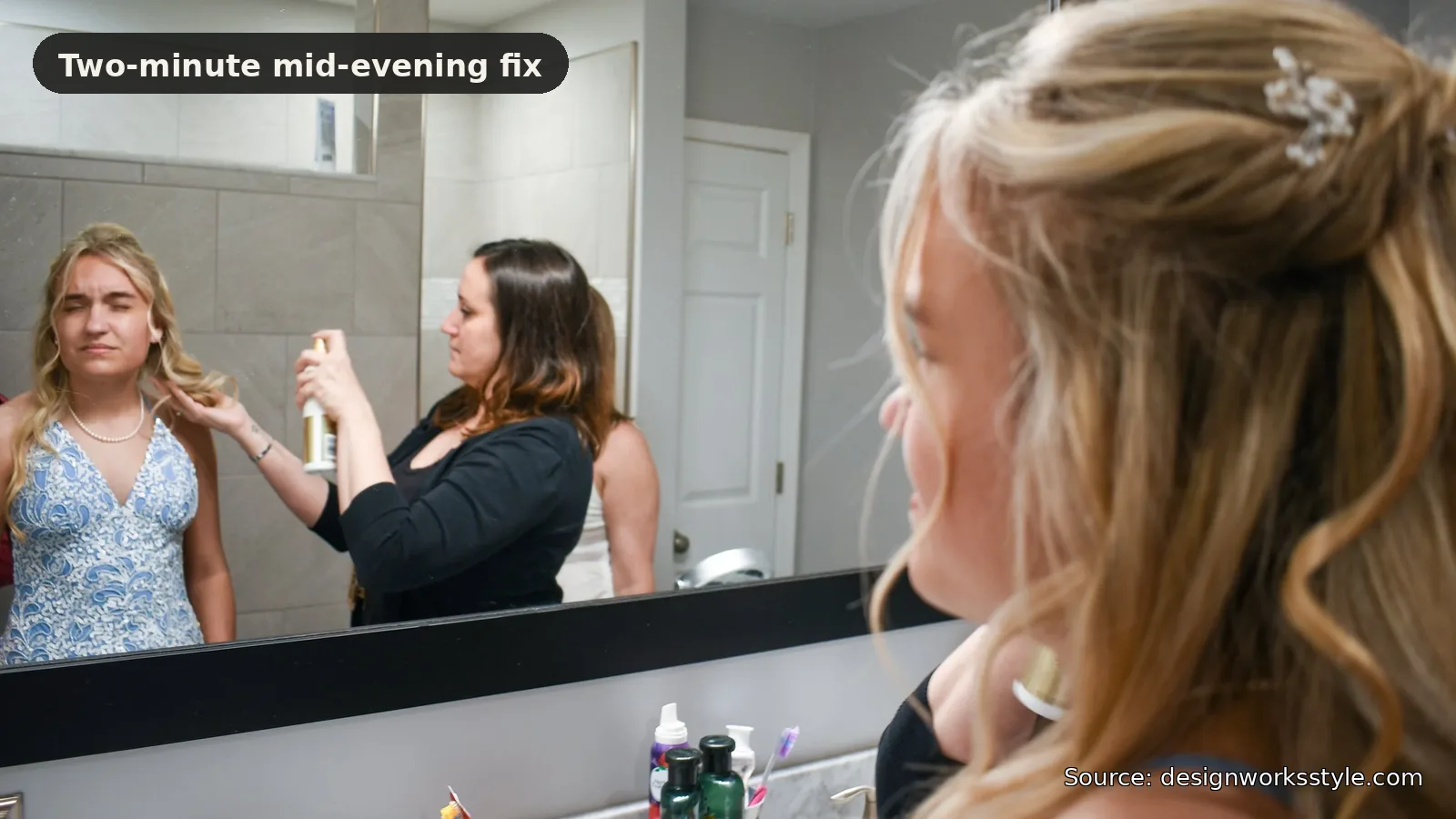
A drooping style can be saved in two minutes, if you carry three things: two bobby pins, a small comb, and a travel-size spray. Lift the flat section with your fingers, backcomb the underside with short strokes, smooth the top layer over it, and pin the lift in place. Mist lightly and leave it alone for a minute.
Waves that have gone limp need heat or a re-set, not more spray. Twist the front sections away from the face, pin them up for ten minutes, and take them down for a fresh bend. A flat iron run quickly over the ends of a sleek style brings back the shape without a full redo.
If the roots have gone flat, flip the hair forward and massage the scalp with your fingertips for a few seconds, then flip it back and smooth the top layer. Dry shampoo at the roots lifts flat hair and soaks up oil.
What should you avoid if you want your hair to last?
Overloading the hair with product is the most common mistake, and it works against the style from the start. Mousse, oil, serum, and spray each add weight, and hair weighed down at the roots will not hold a curl or a lift. Use one styling product at the roots and one on the lengths, then stop.
Styles that fight your hair texture also fail early. Tight curls on hair that is naturally straight need heat, pins, and spray to stay, and they still loosen first. A sleek style on hair that is naturally curly needs a full blow-dry and a flat iron, and it will frizz in damp air. Pick a style that works with the way your hair already bends.
Brushing out a finished style is another quick way to lose it. A brush pulls the set out of waves and flattens the lift at the crown. Use your fingers or a wide-tooth comb to shape the hair after styling.
How do you pick a style for your hair length and texture?
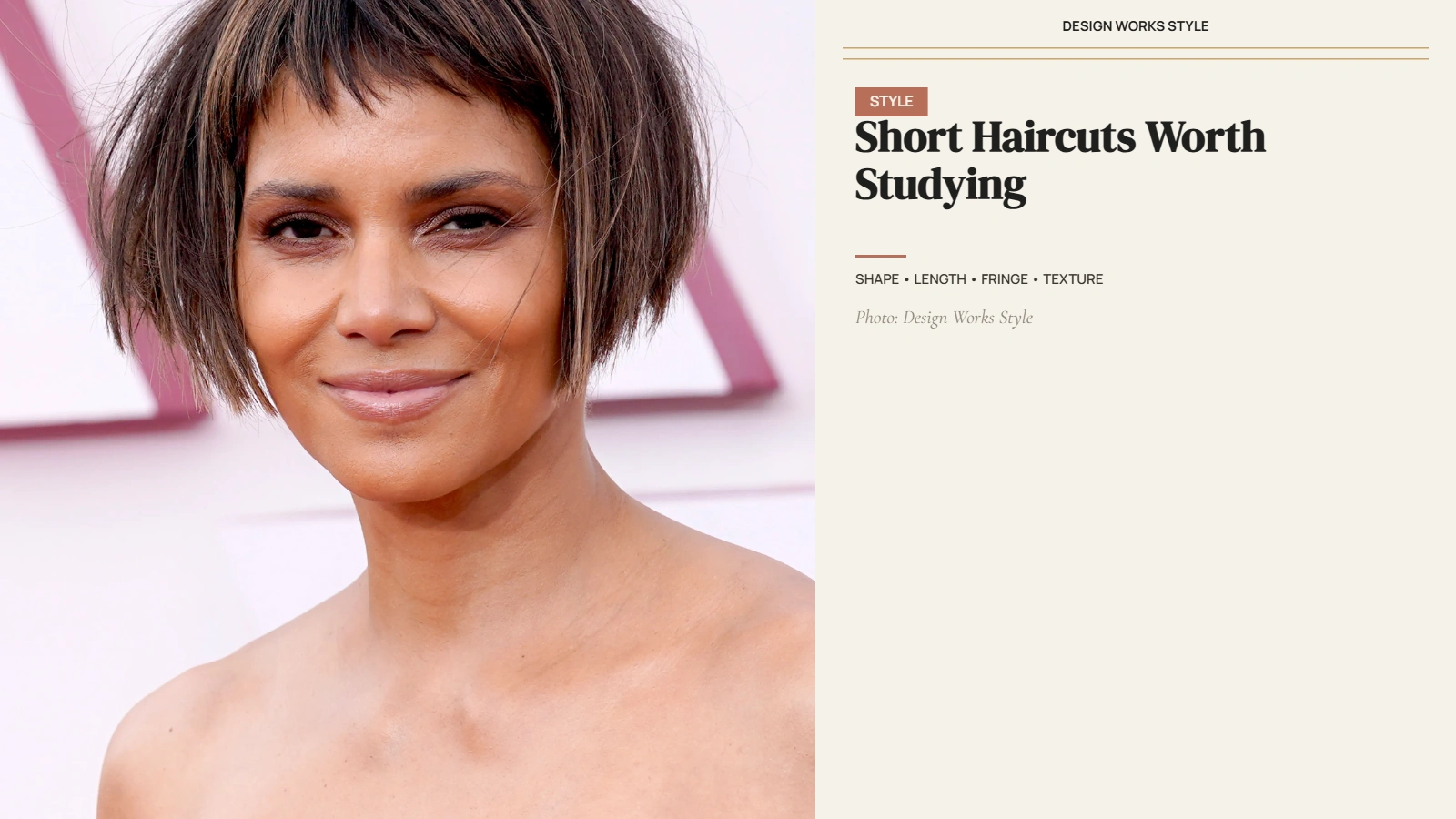
Pick from what your hair does well, not from a photo of hair that behaves differently. Short hair holds a pinned twist and a textured wave with little effort, since there is less weight pulling the style down. Medium hair suits half-up styles and low buns, which use the length without asking it to hold a full curl.
Fine hair needs grip and lift. Mousse at the roots, a light backcomb at the crown, and pins placed close together keep a style in place. Thick hair needs sectioning, since one thick section never heats or cools evenly. Work in thin layers, and pin the weight of the style into the hair underneath.
Color also changes how a style reads in photos, and hair colors that make you look younger often sit close to your natural depth with soft dimension around the face. A style that shows the face, such as a half-up twist or a low bun with pieces out at the front, lets that dimension show in evening light.
If you want to skip heat the night before, heatless hairstyles such as overnight braids or sock curls set a soft wave while you sleep. Take the braids out, shake the waves loose, and pin the front sections back. The wave will be softer than a heat-set one, so plan on a pinned style, not a loose one.
Frequently Asked Questions
Should I wash my hair the day of a holiday party?
No, in most cases. Hair washed the day before holds a style better, because it has a little grip. If your hair gets oily fast, wash it in the morning and use dry shampoo at the roots before styling. Skip heavy conditioner, and dry the hair fully before you start.
How far ahead can I style my hair before an evening event?
Two to three hours ahead works for most styles. Pin the style, spray it lightly, and cover it with a silk scarf if you need to travel. Updos hold longer than loose waves when styled early, since the pins carry the shape while you wait.
Why do my curls fall out halfway through the night?
Curls fall when the hair was still warm when it was brushed out, when the sections were too thick for the heat to set them, or when the hair was too clean and slippery to hold a shape. Curl smaller sections, let each one cool pinned up, and add mousse or texture spray before you start. That cool-down is the step most people skip.
Can short hair hold a holiday style all evening?
Yes, and short hair often holds a style longer than long hair, since there is less weight pulling it down. A pinned twist, a textured wave, or a sleek side part with the ends tucked behind the ears will last the evening. Use small pins placed flat against the head, and spray in light coats so the hair does not go stiff.
Image sources: The photographs on this page come from real photo sources. For the full list of image sources for this article, see the Sources page.