

How to Wash Your Hair Properly: Steps Most People Get Wrong
Washing hair properly means washing as often as your hair type and scalp need, using lukewarm water, massaging shampoo into the scalp only, and conditioning the lengths, not the roots. Most washing damage comes from hot water, rough handling, and piling on product. This guide covers frequency, technique, conditioning, drying, and the mistakes to skip.
How Often Should You Wash Your Hair?
Wash fine or straight hair every one to two days, wavy or thick hair two to three times a week, and curly or coily hair once a week or less, then adjust by scalp feel. An itchy scalp, buildup, or flat roots means wash sooner, while dry, frizzy ends mean wash less and add moisture.
Hair type sets the starting point. Fine hair shows oil fast because oil travels easily down a straight, thin strand. Thick hair hides oil longer and dries slower, so it needs fewer washes. Curly and coily hair need the most time between washes, since washing strips the moisture that curls need to hold shape.
Lifestyle shifts the schedule. Daily workouts, a hot climate, hats, and heavy styling products all call for more frequent washing. A desk job in a mild climate calls for less. Dry shampoo between washes absorbs oil at the roots and adds lift, which stretches a wash day without a full wash.
Cutting back takes time. If you wash daily and want to wash less, stretch the gap by half a day at a time over a few weeks. The scalp adjusts its oil output slowly, and a sudden jump to twice a week leaves roots greasy and uncomfortable. For a routine matched to your type, see our hair care routine by hair type guide.
What Should You Do Before You Wash?
Before you wash, detangle dry hair gently from the ends upward, and add a light oil or mask to the ends if hair is dry or damaged. Detangling first stops knots from tightening when wet, and a pre wash treatment gives dry ends moisture that shampoo alone does not replace.
Detangle with fingers first, then a wide tooth comb. Start at the ends, work up in small sections, and stop when you hit a knot instead of pulling through it. Wet hair stretches and breaks, so the detangling that happens before water touches hair does the most to prevent breakage.
A pre wash treatment suits dry, damaged, or thick hair. Apply a light oil or a mask to the mid lengths and ends, leave it for 15 to 30 minutes, then wash as usual. The shampoo removes the excess while the ends keep some moisture. Fine hair usually skips this step, since oil weighs it down.
Rinse hair fully with lukewarm water before shampooing. Hair that is fully wet spreads shampoo evenly, so you use less product and get a better lather. A quick splash is not enough for thick hair, which needs a full minute under the water to wet through.
What Is the Right Washing Technique?
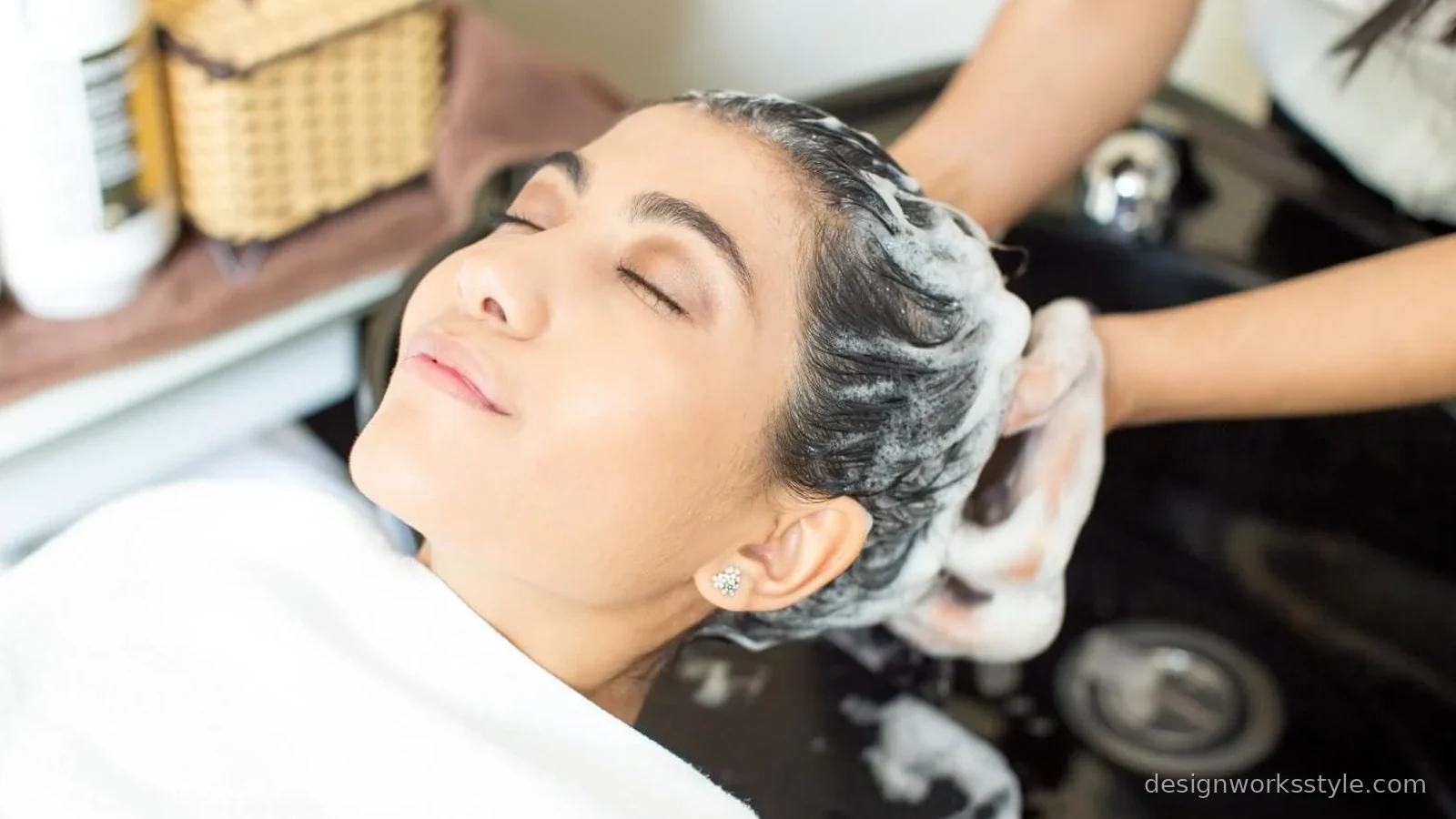
Use lukewarm water, a coin sized amount of shampoo for short hair and more for long or thick hair, and massage the shampoo into the scalp with your fingertips for a minute before rinsing fully. Shampoo cleans the scalp, and the rinse carries it through the lengths, so scrubbing the ends directly dries them out.
Water temperature matters. Lukewarm water opens the cuticle enough to clean without stripping moisture. Very hot water strips oil from the scalp and the lengths, which leaves hair dry and frizzy. Save a cool rinse for the end if you like, since it helps hair look smoother, but cold water alone does not clean well.
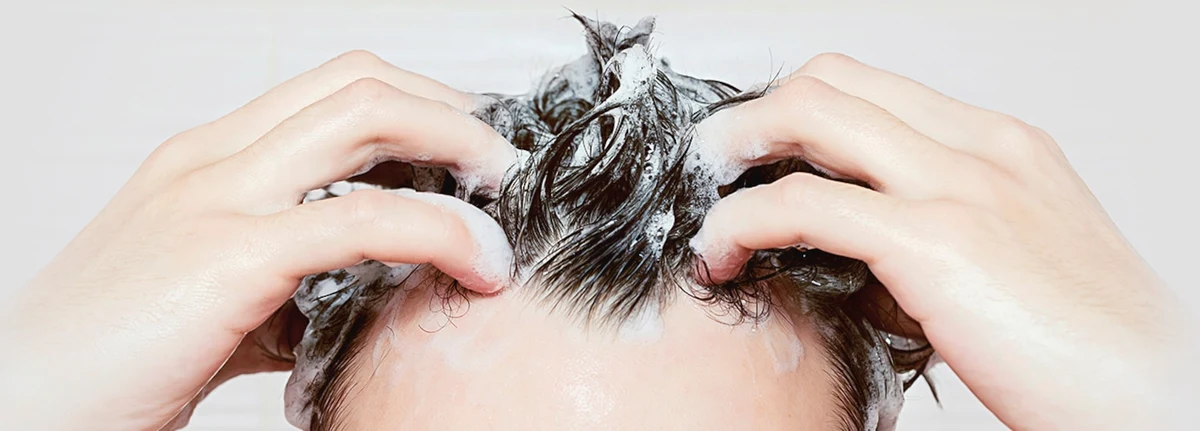
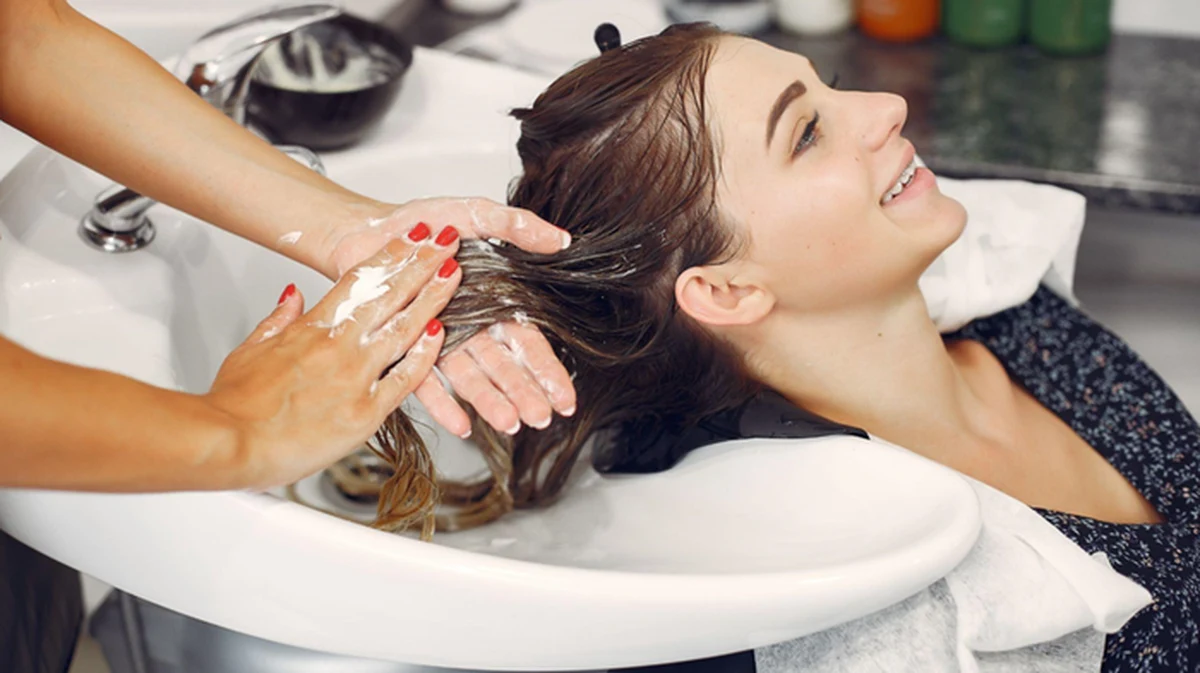
Apply shampoo to the scalp, not the lengths. Pour it into your palms first, rub them together, then work it into the scalp with your fingertips in small circles. Fingertips clean without scratching. Nails scratch the scalp and can cause irritation that looks like dandruff.
Massage for about a minute, then rinse until the water runs clear and hair feels clean but not squeaky. Squeaky hair means the natural oils are gone, which leads to frizz once dry. A second shampoo helps only when hair is very dirty, oily, or full of product. Most days, one wash is enough. For washing and conditioning basics, see our hair care guide.
How Do You Condition Correctly?
Apply conditioner from mid length to ends, leave it on for two to three minutes, then rinse well, and keep conditioner off the roots unless your hair is very dry. Roots get oil from the scalp already, so conditioner there flattens hair and makes it look greasy sooner.
Amount depends on length and thickness. Short hair needs a coin sized amount. Long or thick hair needs more, worked through the lengths with fingers or a wide tooth comb so every strand gets coated. Skipping the comb step leaves some sections dry while others get too much product.
Leave conditioner on for two to three minutes so it can coat the cuticle. Rinse with lukewarm water until hair feels smooth but not slippery. Slippery hair means conditioner is still sitting on it, which weighs hair down and dulls shine. A weekly mask replaces conditioner once a week for dry or damaged hair, left on for 10 to 20 minutes.
Leave-in conditioner suits curly, coily, and dry hair, applied to damp lengths after washing. It adds moisture that rinse-out conditioner cannot hold through the day. Color treated hair needs extra care here, so our best shampoo for balayage hair guide and balayage hair care guide cover washing and protection for colored hair.
How Do You Dry Hair Without Damage?
Dry hair by squeezing out water with a microfiber towel or cotton shirt, then air drying or blow drying on medium heat with a protectant. Rubbing with a rough towel roughs up the cuticle and causes frizz, and high heat on soaking wet hair stresses the strand more than heat on damp hair.
Squeeze, do not rub. Wrap hair in a microfiber towel or an old cotton shirt and press gently to absorb water. A rough bath towel creates friction that lifts the cuticle and causes frizz, especially on curly hair. Leave the wrap on for 10 minutes while you get ready, then remove it.
Air drying suits most hair types if time allows. Let hair dry about 80 percent on its own before using any heat tool. For curls, scrunch with a little leave-in cream while damp and leave curls alone once they start to dry, since touching them breaks the curl shape.
Blow drying works best on damp, not soaking, hair. Rough dry with fingers first, then smooth with a brush in sections on medium heat. Keep the dryer moving and finish with a cool shot. For dryer types and attachments, see our hair tools guide, and for styling methods, our hair styling guide.

What Washing Mistakes Should You Avoid?
Skip very hot water, daily washing with strong shampoo, skipping conditioner, and rough towel drying, since each one strips moisture or breaks hair over time. Scalp problems need a different fix: dandruff needs an anti-dandruff shampoo used as directed, and a sore or red scalp needs gentler products and less scrubbing.
Over-washing is the most common mistake. Washing daily with a strong shampoo strips scalp oil, and the scalp makes more oil to make up for it, which makes hair look greasy sooner. The cycle repeats until washing stretches out and the scalp settles. A gentle shampoo and fewer washes break the cycle.
Skipping conditioner hurts even oily hair. Shampoo opens the cuticle to clean, and conditioner smooths it back down. Without conditioner, the cuticle stays rough, which means frizz, tangles, and breakage. Oily hair still needs conditioner, just a light one on the ends only.
Product buildup dulls hair and weighs it down. Heavy oils, waxes, and dry shampoo layer up over weeks. A clarifying shampoo once a month removes buildup, but it strips moisture too, so follow it with conditioner or a mask right away. Do not use clarifying shampoo every wash.
Scalp issues need attention, not stronger scrubbing. Dandruff responds to an anti-dandruff shampoo used as directed on the label, usually left on the scalp for a few minutes before rinsing. A red, sore, or itchy scalp that does not improve with gentler products deserves a dermatologist visit, since it can signal a skin condition that shampoo alone will not fix.
Frequently Asked Questions
Should you wash your hair twice?
A second wash helps only when hair is very dirty, oily, or full of styling product. The first wash removes surface dirt, and the second cleans the scalp properly. Most days, one wash is enough, and a second wash on already clean hair just strips moisture.
Is cold water better than warm water for hair?
Lukewarm water is best for washing, since it cleans without stripping moisture. A cool final rinse can help hair look smoother by closing the cuticle, but cold water alone does not clean well and leaves product behind. Wash lukewarm, rinse cool if you like.
Can you skip conditioner if your hair is oily?
No. Shampoo opens the cuticle, and conditioner smooths it back down, which prevents frizz and breakage. Oily hair needs a light conditioner on the mid lengths and ends only, kept off the roots. Skipping conditioner leaves the cuticle rough no matter how oily the scalp is.
How do you know if you are overwashing?
Dry ends, an itchy scalp, frizz that will not settle, and color fading fast all point to overwashing. Stretch washes gradually, half a day at a time, and switch to a gentler shampoo. If the scalp stays itchy or red after cutting back, the problem may be a skin condition, not the wash schedule.
Good washing is mostly about restraint: lukewarm water, shampoo on the scalp, conditioner on the lengths, and gentle drying. For the full routine that sits around washing, see our hair care guide and hair care routine by hair type guide.