
Why Does Hair Color Fade?
Hair color fades because washing, sun exposure, and heat styling remove small amounts of dye from the hair shaft. Permanent color sits inside the strand, while semi-permanent color coats the outside, so both lose color over time, just at different speeds. Porous hair from bleaching loses color fastest because the cuticle stays open and dye slips out.
Water is the main cause. Every wash lifts the cuticle slightly and lets dye escape, which is why color looks brightest right after a salon visit and softer after a few weeks of washing. Hot water opens the cuticle more than cool water, so it strips color faster. Hard water, which carries minerals like calcium, can also dull color and leave a brassy cast on blonde or light brown hair.
Sun lightens color the same way it lightens fabric left outside. UV rays break down dye molecules, and the effect shows first on the top layers of hair that catch the most sun. Red and copper shades fade fastest, since their dye molecules are larger and sit closer to the surface of the strand. Blonde shades tend to turn brassy as the cool tones wash out first.
Heat styling adds to the loss. Flat irons and curling tools press high heat directly onto colored hair, which pushes dye out and dries the strand at the same time. Chlorine from pools strips color too, and it can turn blonde hair greenish when copper in the water binds to the strand. Salt water dries hair out, which makes the cuticle rougher and color loss faster. For the washing basics that protect color from the start, see our how to wash your hair properly guide.
Which Products Are Safe for Color-Treated Hair?
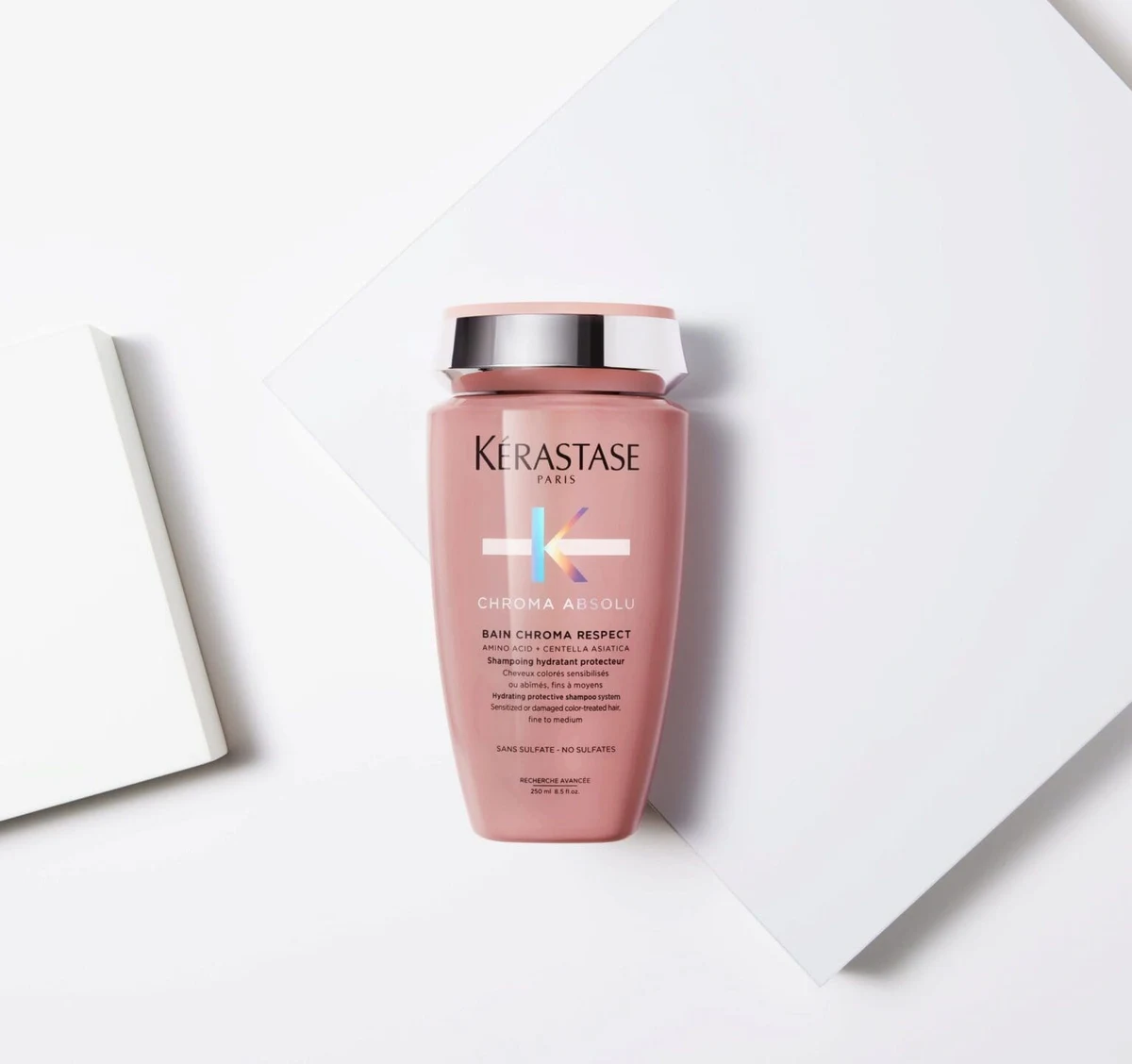
Color-safe products are sulfate-free shampoos and conditioners, plus color-depositing conditioners that add a small amount of pigment back with each use. Sulfates are strong cleansers that strip dye along with dirt, so switching away from them is the single easiest change for longer lasting color.
Look for shampoo labels that say sulfate-free, color-safe, or color-protecting. These formulas clean with gentler cleansers that leave more dye in place. They may lather less than regular shampoo, which is normal, not a sign that hair is less clean. Pair the shampoo with a conditioner made for color-treated hair, which usually contains ingredients that smooth the cuticle and seal color in.
Color-depositing conditioners and masks add pigment back while conditioning. They come in shades for blonde, brunette, red, copper, and fashion colors. Use one once a week or every other week in place of regular conditioner, and leave it on for the time on the label, usually five to ten minutes. They stain towels and hands, so wear gloves and use an old towel for the first few uses.
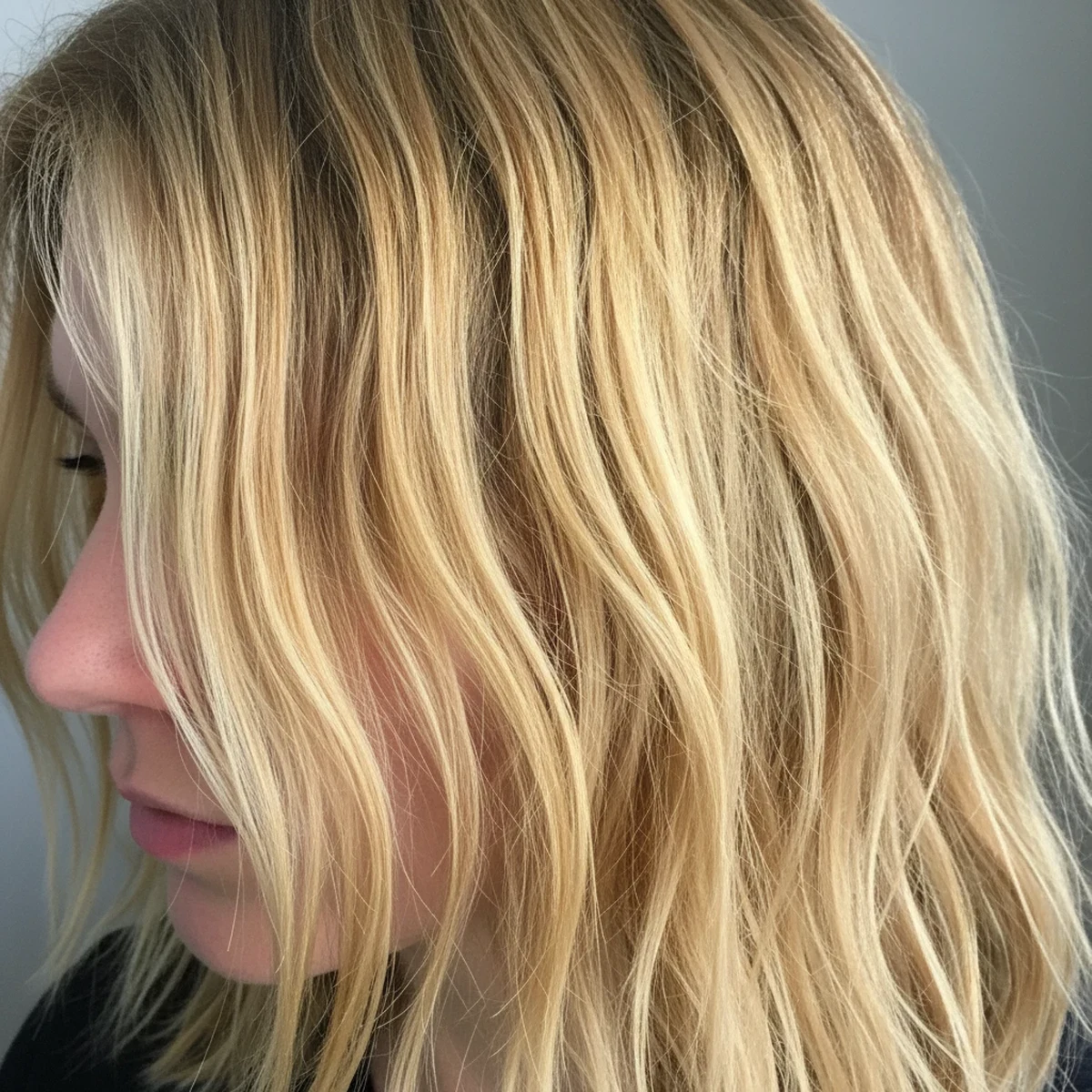
Purple shampoo suits blonde, silver, and highlighted hair. It deposits a small amount of violet pigment that cancels yellow and brassy tones. Use it once a week at most, since overuse turns blonde hair dull or slightly purple. Blue shampoo works the same way for brunette hair with orange tones. For help picking a shampoo for highlighted or balayage hair, our best shampoo for balayage hair guide compares options by hair type.
Skip clarifying shampoo most weeks. It strips buildup well, but it strips color too. If you need one to remove product buildup, use it once a month at most, then follow with a deep conditioner right away. Dry shampoo is safe for colored hair and stretches wash days, which itself protects color.
What Washing Habits Keep Color Longer?
Wash colored hair two to three times a week at most, with lukewarm or cool water, and skip washing for at least 48 hours after a fresh color appointment. Less washing means less dye loss, and cool water keeps the cuticle closed so dye stays inside the strand.
The first wash after coloring matters most. Fresh dye needs time to settle into the strand, so washing too soon pulls out color that had not locked in yet. After that, every wash day you skip saves color. Dry shampoo on the roots between washes absorbs oil and adds lift, which makes stretching wash days easier.
Water temperature is a simple lever. Lukewarm water cleans well without opening the cuticle much, and a cool final rinse helps the cuticle lie flat, which makes hair look shinier and holds color better. Very hot showers feel good but cost color, so turn the temperature down for the hair washing part even if the rest of the shower stays warm.
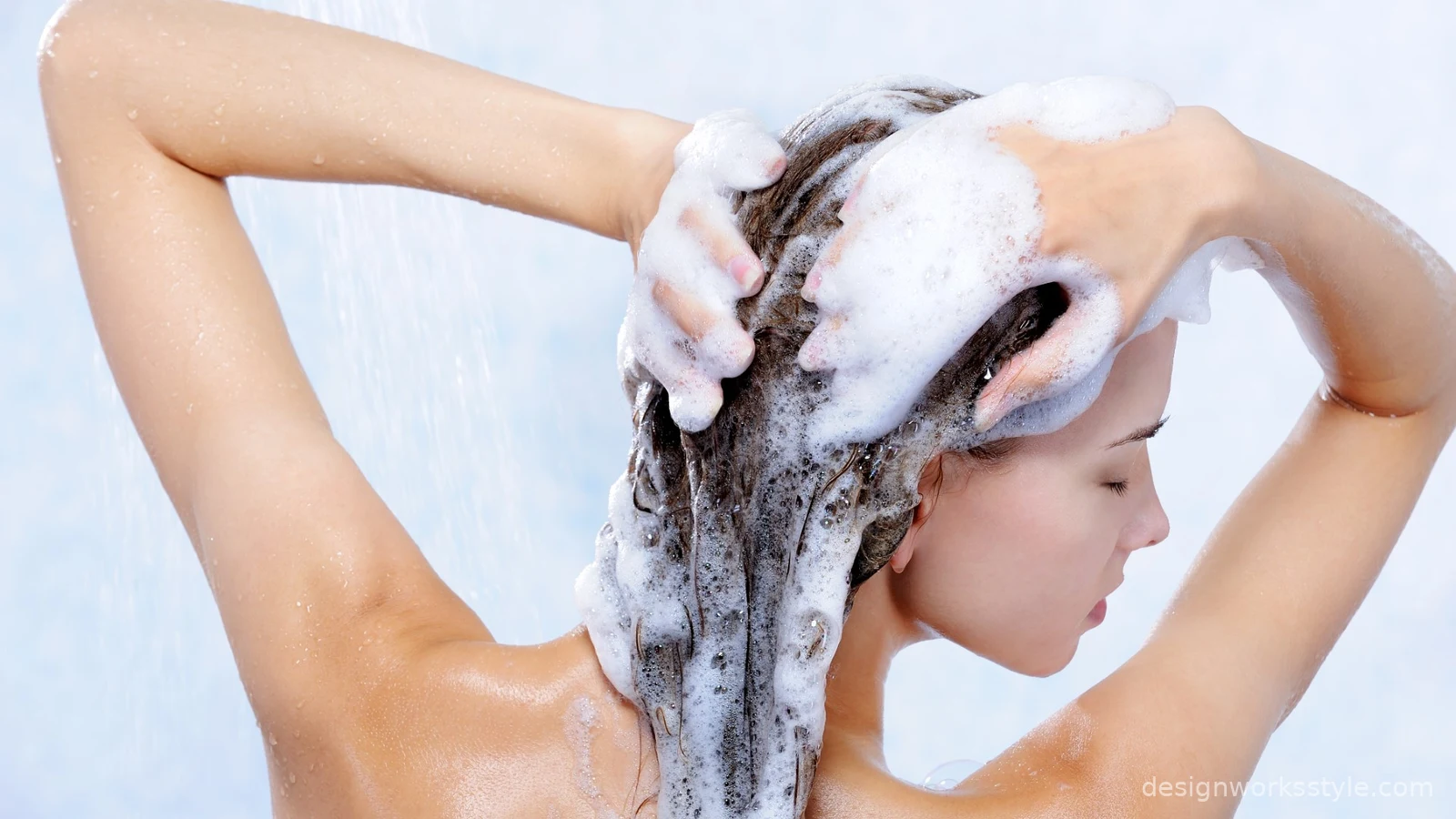
Wash technique matters too. Massage shampoo into the scalp only and let the rinse carry it through the lengths, since scrubbing the lengths directly strips color from the most visible parts of your hair. Apply conditioner from mid length to ends and leave it on for two to three minutes. For a full routine matched to your hair type, see our hair care routine by hair type guide.
How Do You Protect Color from Sun and Heat?
Protect color from sun with a hat, a UV spray, or a leave-in with UV filters, and protect it from heat with a heat protectant spray every time you use a hot tool. Sun and heat are the two biggest color threats outside the shower, and both are easy to guard against.
A hat is the simplest sun protection. A wide brim hat shades the top layers of hair that fade first, and it works on beach days, long walks, and outdoor events. When a hat does not fit the occasion, a UV protection spray or a leave-in conditioner with UV filters adds a barrier. Reapply after swimming, since water rinses it off.
Heat protectant goes on before every hot tool, as a spray or cream on damp or dry hair. It forms a thin layer that slows moisture loss and dye loss during styling. Keep iron temperatures moderate, usually 350 degrees or lower for colored hair, and pass the iron once slowly instead of several fast passes. For dryer and iron settings by hair type, see our hair tools guide.
Swimming needs its own plan. Wet hair with fresh water before getting into a pool, since hair that is already full of clean water absorbs less chlorinated water. Wear a swim cap for long swims, or rinse right after swimming and apply conditioner to the lengths. A leave-in conditioner applied before swimming also helps block chlorine from reaching the strand.
What Are Gloss and Toner Refreshes?
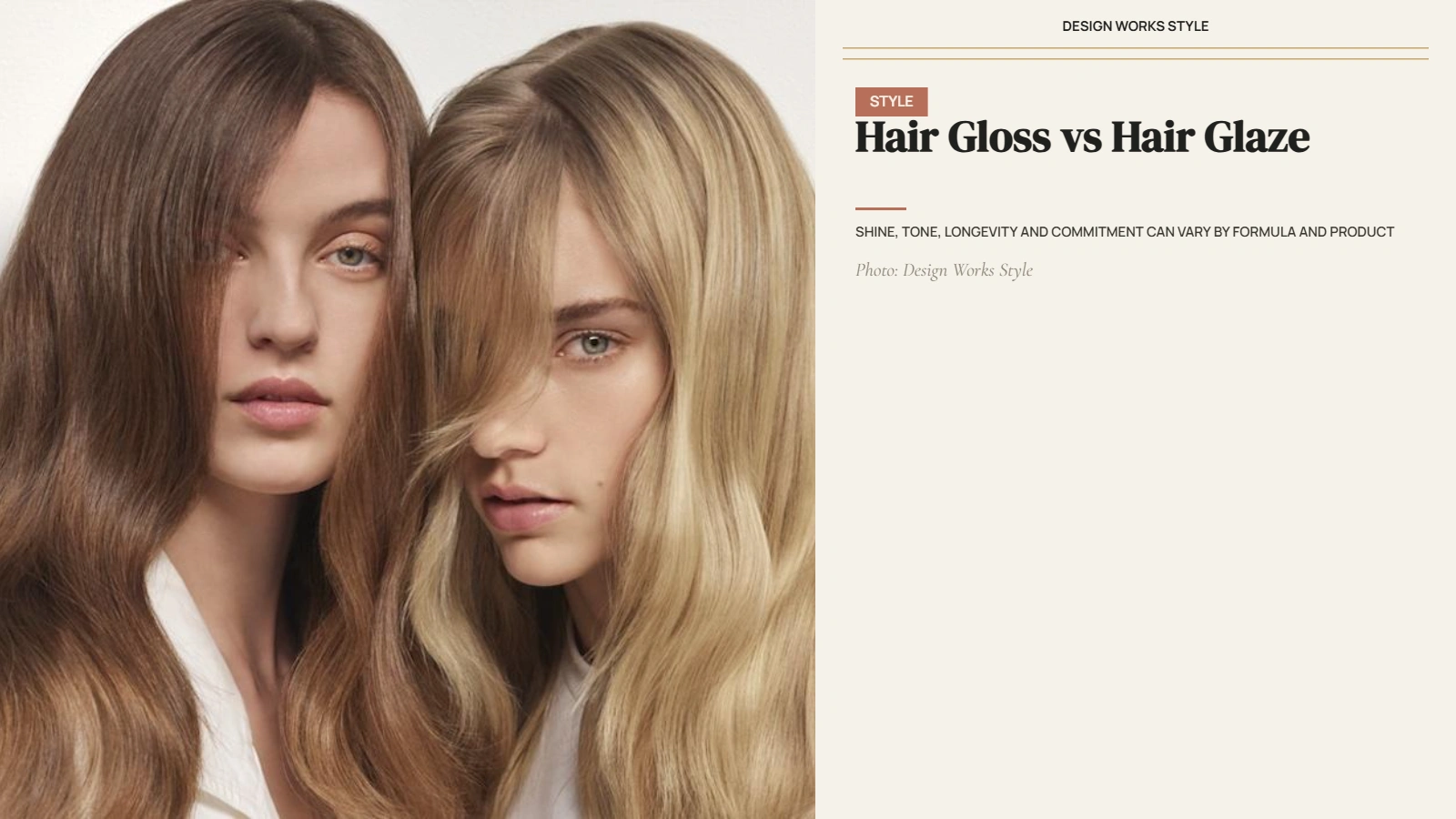
A gloss or toner refresh is a salon or at-home treatment that adds shine and a small amount of pigment to faded color, usually four to six weeks after a full color appointment. It costs less than a full color service, takes less time, and restores the tone that washing and sun removed.
A clear gloss adds shine without changing color, which suits hair that faded evenly and just looks dull. A tinted gloss or toner adds pigment, which suits blonde hair turning brassy, red hair losing depth, or brunette hair looking flat. Your colorist picks the shade to match your original color, so the refresh looks like a touch-up, not a new color.
At-home gloss treatments exist and work for a quick refresh between appointments. They wash out over a few washes, so they are a bridge, not a replacement for salon toner. Apply to clean, damp hair, leave for the time on the label, and rinse well. Patch test first if you have a sensitive scalp, since even gentle formulas can irritate.
Timing matters. Book a gloss refresh when color looks dull or brassy but roots have not grown out much yet. If roots are showing more than half an inch, a full color appointment makes more sense, since gloss alone will not blend root regrowth. For at-home shine treatments, our hair gloss at home guide walks through the steps.
When Should You Book Your Next Color Appointment?
Book your color appointment every four to eight weeks for root coverage, every eight to twelve weeks for balayage or highlights, and sooner if color turns brassy or roots show more than you like. The right gap depends on how fast your hair grows, how much contrast roots have with your color, and how well you maintain color at home.
Root regrowth shows fastest on high contrast color, like dark roots under blonde hair, and slowest on balayage or lived-in color, where the blend hides regrowth for months. If you wear a shade close to your natural color, you can stretch appointments further, since regrowth blends in.
Watch for signs that an appointment is due. Brassy tones that purple shampoo no longer fixes, dullness that gloss does not restore, and roots that bother you in photos all mean it is time. Waiting too long makes the correction harder, since the colorist must fix uneven fading plus regrowth in one visit.
Between appointments, keep a note of what your colorist used, the formula or shade name, so a refresh or a new salon can match it. Bring photos of your hair right after coloring, not just inspiration photos, so the colorist sees what your hair actually looked like at its best. For keeping balayage fresh specifically, our balayage hair care guide covers wash and product tips for highlighted hair.
Frequently Asked Questions
How long should you wait to wash hair after coloring?
Wait at least 48 hours before the first wash after a color appointment. Fresh dye needs time to settle into the strand, and washing too soon pulls out color that had not locked in yet. When you do wash, use lukewarm water and a sulfate-free shampoo made for colored hair.
Does sulfate-free shampoo really make color last longer?
Yes, in most cases. Sulfates are strong cleansers that strip dye along with dirt and oil, so switching to a gentler, sulfate-free formula leaves more color in place after each wash. The difference shows most on red, copper, and fashion colors, which fade fastest. Lather is not a sign of cleaning power, so a low lather sulfate-free shampoo still cleans well.
Why does blonde hair turn brassy?
Blonde hair turns brassy because the cool tones in blonde dye wash out first, leaving the warm yellow and orange undertones that sit underneath. Sun, hard water minerals, and heat styling speed this up. Purple shampoo once a week cancels yellow tones, and a salon toner refresh restores the cool shade when purple shampoo stops working.
Can you swim with colored hair?
Yes, with a few precautions. Wet hair with fresh water before swimming so it absorbs less chlorine, wear a swim cap for long swims, and rinse with fresh water right after. Apply conditioner to the lengths after swimming to replace moisture. Blonde hair is most at risk, since chlorine and copper in pool water can tint it greenish.
Color care is mostly about restraint: wash less, wash cooler, protect from sun and heat, and refresh tone before it fades too far. For the washing technique that sits under all of this, see our how to wash your hair properly guide, and for tool settings that protect color, our hair tools guide.