
Heatless hairstyles give you waves, curls, and polished updos without daily damage from flat irons and curling tools. Braids, rollers, socks, and headbands shape hair while you sleep or go about your day, and the right products help the style hold. This guide covers overnight methods, updos, braids, short hair options, and how to switch from heat styling.
Why Go Heatless?
Going heatless protects hair from the damage that builds up with daily flat ironing and curling. High heat dries the strand, cracks the cuticle, and makes ends split, and the damage adds up even with a heat protectant. Skipping heat most days keeps hair smoother, stronger, and easier to grow long.
Color-treated hair gains the most from going heatless, since heat pushes dye out and dries strands that color already weakened. Fine hair gains too, because it breaks under heat faster than thick hair. Damaged hair needs a break from heat most of all, and our hair damage repair guide covers how to manage it while it recovers.
Going heatless does not mean giving up styled hair. It means shaping hair with braids, rollers, twists, and pins instead of temperature. Heat tools still have a place for special occasions, but they stop being the daily default.
How Do Overnight Braids Create Waves?
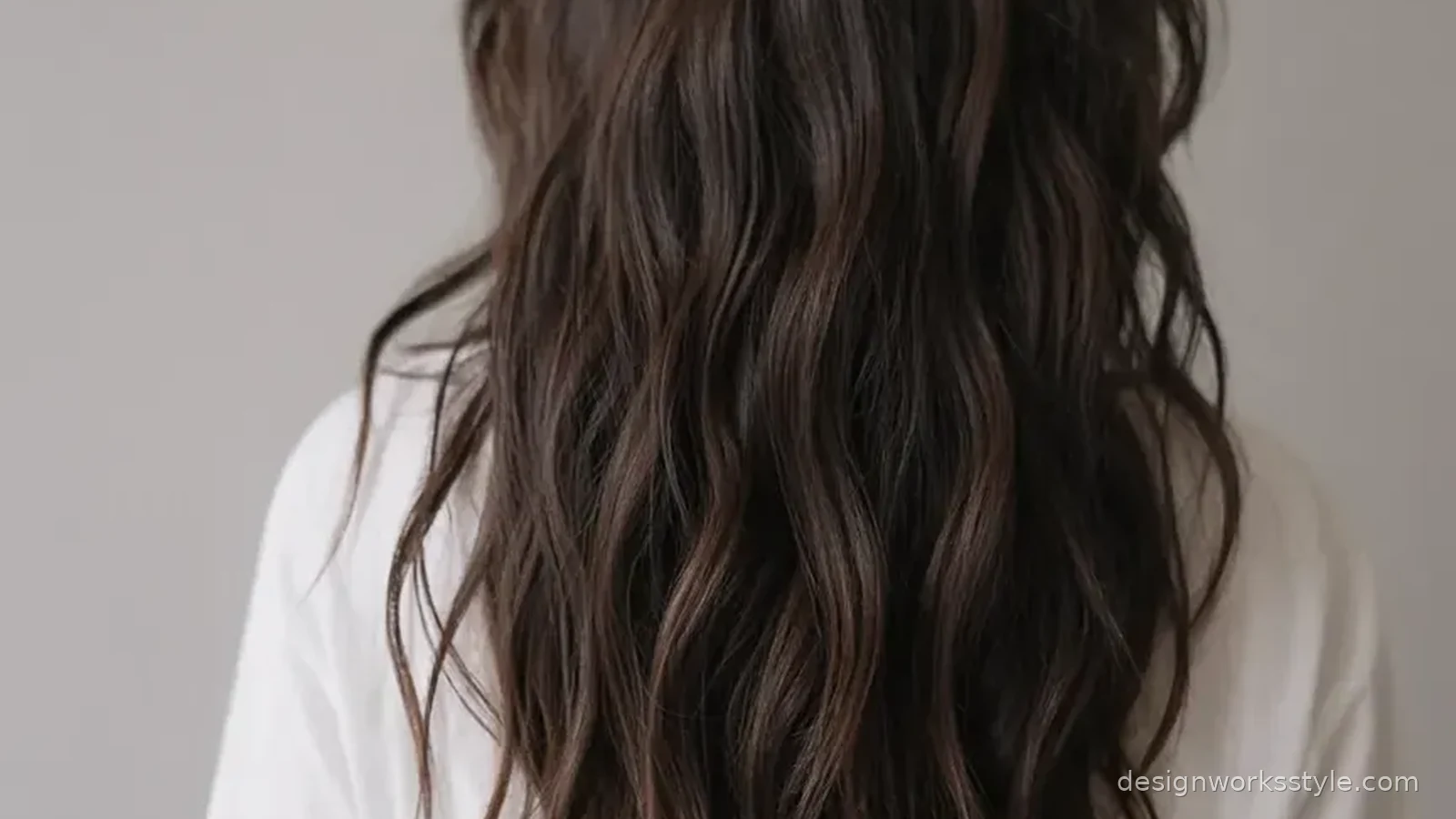
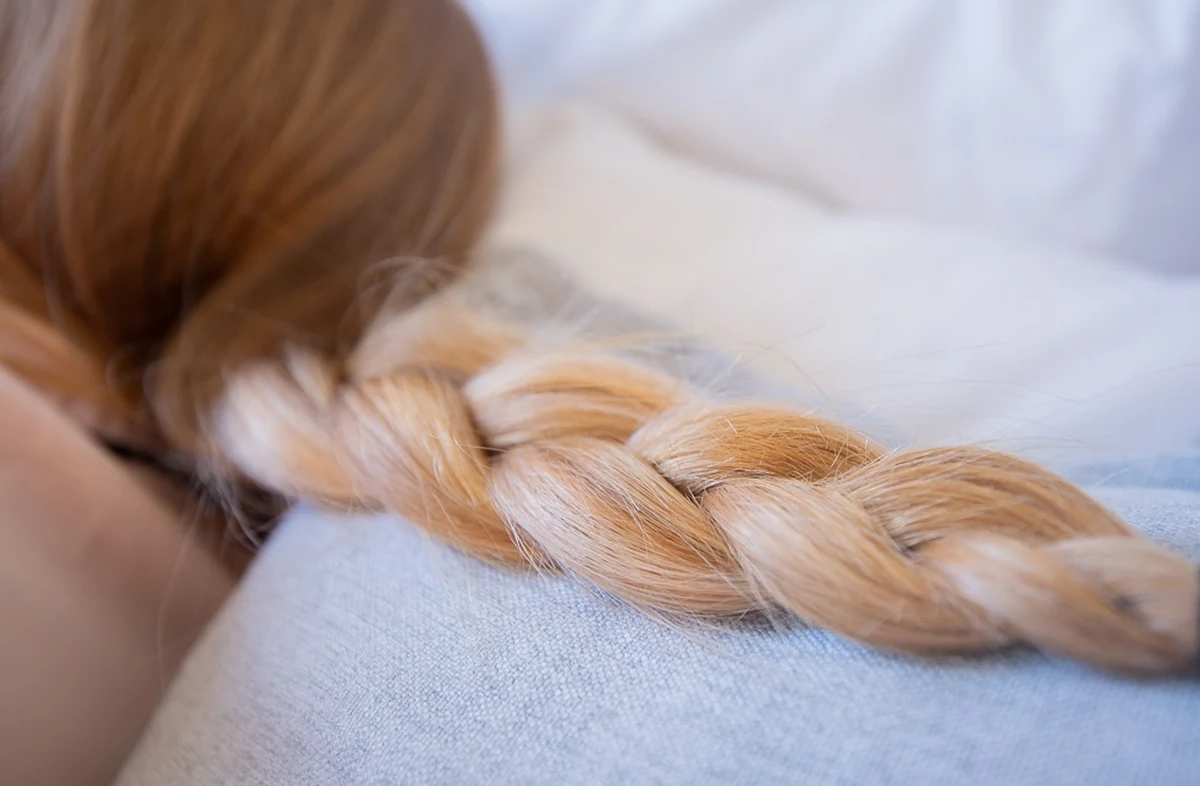
Overnight braids create waves because damp hair dries in the shape of the braid, and the wave pattern follows the braid size and tightness. One loose braid gives soft bends, two braids give more texture, and several small braids give tighter waves. Braid damp hair before bed, sleep on it, and undo it in the morning.
Start with clean, damp hair, not soaking wet hair. Work a small amount of leave-in conditioner or mousse through the lengths, then braid. A single loose braid down the back gives beachy bends. Two braids, one on each side, give more even waves. Four or more small braids give crimped texture. Secure the ends with soft scrunchies, not tight elastics, so you wake up without dents.
In the morning, undo the braids and separate the waves with your fingers. Do not brush them out, since a brush turns waves into frizz. If the waves fall flat by midday, try smaller braids next time, or add a little mousse before braiding. Hair must be fully dry before you undo the braids, or the waves drop out fast. For washing habits that set up a good braid, see our how to wash your hair properly guide.
What Are the Best Heatless Curl Methods?
The best heatless curl methods are foam rollers, sock curls, and the headband wrap, and each one suits a different curl size and hair length. Rollers give even curls, socks give loose waves, and a headband wrap gives soft bends with little effort. All three work overnight on damp hair.
Foam rollers are soft enough to sleep on. Roll damp sections around the roller, from ends to roots, and clip or fold the roller closed. Larger rollers give loose curls, smaller rollers give tighter ones. Leave them in overnight and unroll in the morning. For roller types and sizing, see our best hair rollers guide.
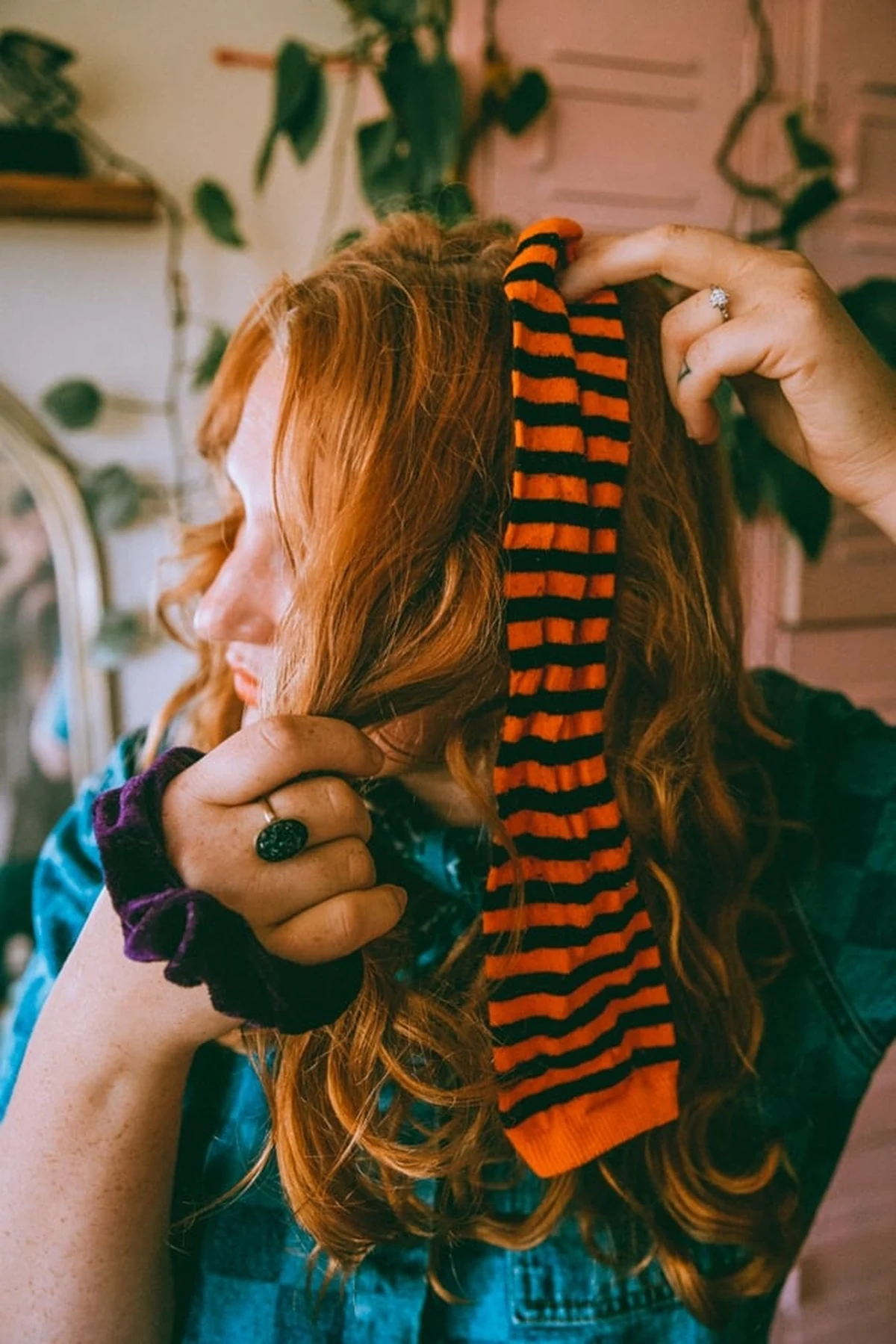
Sock curls use a clean sock as the roller. Lay a section of damp hair across the sock, roll it up toward the scalp, then tie the sock ends together. Two to four socks cover a full head. The result is loose, soft waves with no clips digging into your scalp overnight.
The headband wrap works on medium to long hair. Put a soft, stretchy headband on like a crown, then wrap damp sections of hair around and through the band, tucking the ends in. Sleep on it, remove the band in the morning, and shake the waves out with your fingers. It gives the softest result of the three methods, and it suits people who find rollers uncomfortable.
Which Updos, Buns, and Braids Work Without Heat?
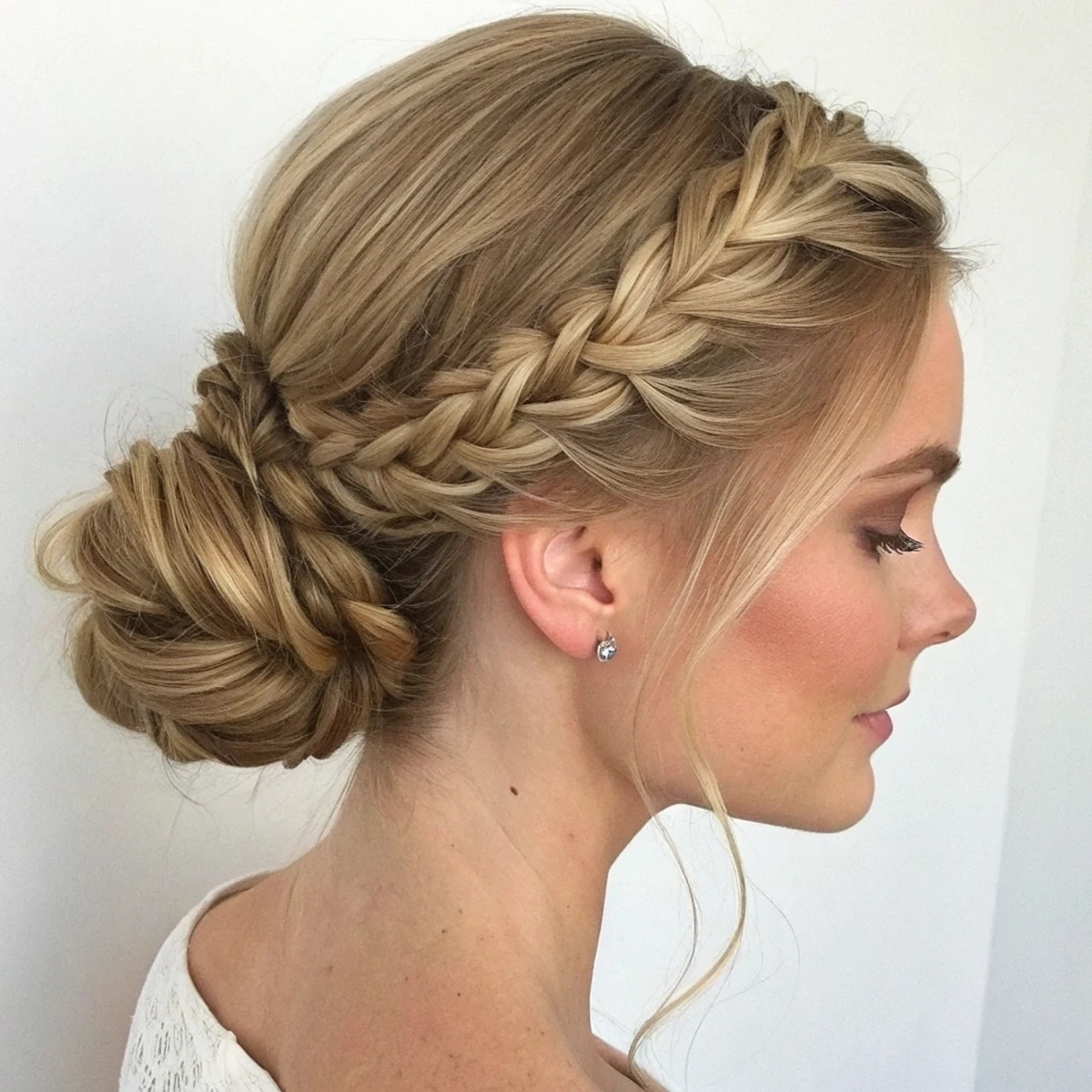
Updos, buns, and braids work without heat because they shape hair with tension and placement instead of temperature. A low bun, a twisted chignon, a French braid, a Dutch braid, and a fishtail braid all look finished with no iron at all. These styles also protect ends from friction during the day.
A low bun is the simplest heatless updo. Gather hair at the nape, twist it into a coil, and pin it in place. Pull out two face-framing pieces and the style looks soft instead of severe. A twisted chignon works the same way with two twisted sections crossed over each other before pinning.
French braids start at the hairline and pick up new sections as you work down, which keeps the braid close to the head. Dutch braids cross sections under instead of over, so the braid sits on top of the hair. Fishtail braids split hair into two sections and cross small pieces from each side to the other, which gives a finer, more detailed pattern. All three hold all day with pins and a light spray.
Second-day hair holds updos and braids better than freshly washed hair, since it has more grip. If your hair is freshly washed and slippery, a little texture spray or dry shampoo at the roots adds grip before you start. For styling methods by length and occasion, see our hair styling guide.
How Do You Style Short Hair Without Heat?
Short hair styles without heat by using texture, parting, and accessories instead of irons and dryers. Finger waves, pin curls, braided accents, and headbands give short hair shape and polish. The trick is working with your natural texture and skipping the daily heat battle.
Pin curls suit short hair well. Take small damp sections, roll each one flat against the head, and pin it in place. Leave them overnight or for a few hours, then remove the pins and finger comb. The result is soft, vintage-style waves that need no iron.
Finger waves work with gel and a comb. Apply gel to damp hair, press the comb into S-shaped waves along the head, and clip each ridge in place until it dries. Small braids along the hairline or a single side braid add detail to a short cut. Headbands, scarves, and clips change the look fast on days when texture alone is not enough.
Which Products Help Heatless Styles Hold?
Products that help heatless styles hold are leave-in conditioner, mousse, styling cream, and a light hold spray, used in small amounts on damp hair. Mousse adds grip for braids and rollers, cream smooths frizz, and a light spray sets the finished style. Heavy waxes and oils weigh heatless styles down.
Apply product before you braid, roll, or wrap, not after. Mousse on damp hair gives braids and rollers something to grip, and it dries into the wave pattern. Cream suits hair that frizzes easily, since it smooths the cuticle while the style sets. Keep amounts small, since too much product leaves hair stiff or sticky once dry.
Refresh a heatless style the next day with a water spray and a scrunch, not a full rewash. Mist the lengths lightly, scrunch upward, and let it air dry. A light hold spray over the finished style adds staying power without the crunch of a strong gel.
How Do You Switch from Daily Heat to Heatless?
Switching from daily heat to heatless works best gradually, one or two heatless days a week at first, then more as hair recovers and you learn which methods suit you. Hair that is used to heat may look flat at first, since heatless texture feels different. Give it three to four weeks before judging the change.
Start with the easiest method for your hair. Overnight braids suit most people as a first step, since they need no tools and no new skill. Once braids feel easy, try rollers or the headband wrap. Keep heat for special occasions during the switch, so the change feels like a choice, not a punishment.
Trim damaged ends early in the switch, since split ends make any style look ragged. As breakage drops, length builds up faster, which is why less heat often leads to longer hair over time. For the routine that supports growth while you cut heat, see our hair growth tips guide and our hair care routine by hair type guide.
Frequently Asked Questions
Do heatless curls work on straight hair?
Yes, with smaller sections and a little product. Straight hair drops curls faster than wavy or curly hair, so use smaller braids or rollers, apply mousse before styling, and make sure hair is fully dry before undoing the style. A light hold spray after undoing helps the waves last through the day.
How long do heatless styles last?
Most heatless styles last one to two days. Waves from braids or rollers hold best on day one and soften on day two, which still looks good as loose texture. Refresh with a water mist and a scrunch on day two instead of restyling from scratch.
Should hair be wet or damp for heatless styling?
Damp, not soaking wet. Soaking hair takes too long to dry overnight, and the style falls flat if it is still wet in the morning. Towel dry after washing, or mist dry hair lightly, then braid, roll, or wrap. Hair that dries fully in the style holds its shape.
Will going heatless repair already damaged hair?
Going heatless stops new heat damage, but it does not fix split ends or broken strands that already exist. Those need trims and gentler care over time. The gain is real: with heat out of the daily routine, new growth stays healthy, and damage stops building faster than trims can remove it. See our hair damage repair guide for the full plan.
Start with overnight braids this week, try rollers or a headband wrap next week, and keep heat for the days it truly matters. Hair gets healthier when heat becomes the exception, not the rule.